🔥 Key Takeaways
- Investors are favoring precious metals as a hedge against potential Federal Reserve missteps.
- Bitcoin’s recent stagnation highlights its ongoing struggle for relevance amid traditional asset fluctuations.
- The divergence between gold/silver and Bitcoin may indicate a shift in risk sentiment among investors.
The Current Landscape of Risk Assets
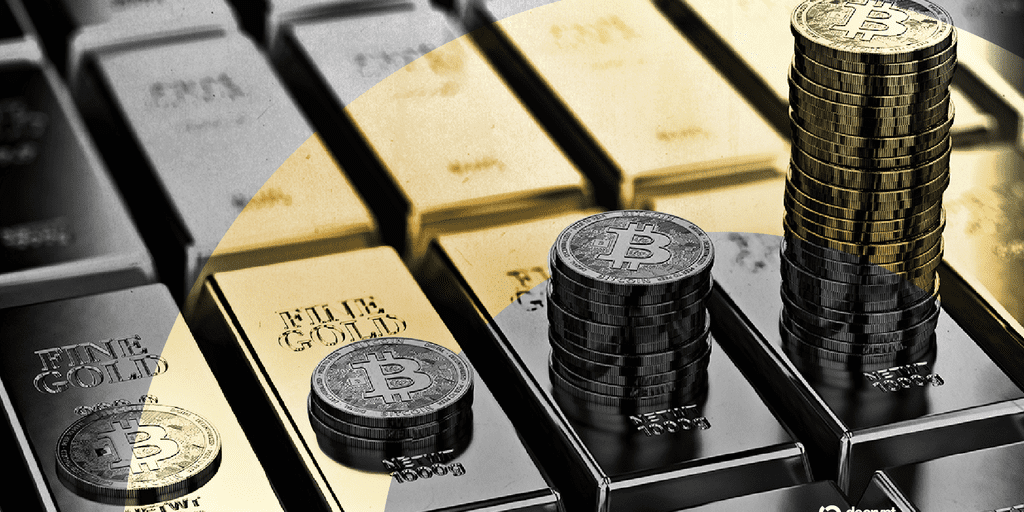
The financial markets are witnessing a notable divergence in asset performance as investors recalibrate their strategies in response to the looming uncertainties surrounding Federal Reserve policy. With the Fed set to navigate a complex economic landscape, traditional safe-haven assets like gold and silver have surged, while Bitcoin appears to be stagnating. This trend underscores a pivotal moment in the ongoing dialogue between cryptocurrency and conventional assets.
Why It Matters
The current rise in precious metals, particularly gold and silver, is indicative of a broader sentiment shift among investors who are increasingly concerned about the implications of a potential policy error by the Federal Reserve. Such an error could manifest in the form of overly aggressive interest rate hikes or misjudgments in monetary policy that fail to stabilize inflation. In this context, gold and silver are being viewed as a protective hedge, while Bitcoin’s inability to capitalize on this sentiment raises questions about its status as a digital safe haven.
Bitcoin’s Struggle for Relevance
Despite its initial promise as a hedge against inflation and a store of value, Bitcoin’s recent performance reflects a struggle to maintain relevance amid changing market dynamics. As precious metals gain traction, Bitcoin’s stagnation suggests that investors are currently prioritizing more established assets that have historically been viewed as reliable stores of value. This shift may also indicate a reevaluation of Bitcoin’s role in a diversified investment portfolio, particularly as macroeconomic factors take precedence.
Market Implications Moving Forward
The contrast between the performance of precious metals and Bitcoin may serve as a crucial indicator for market participants. If the Fed continues to tread carefully, it could bolster the case for Bitcoin as a digital alternative to gold. However, should inflation persist or economic conditions worsen, the demand for traditional hedges like gold and silver may overshadow Bitcoin’s appeal. Investors should be vigilant as these developments unfold, as the outcome could significantly influence asset allocation strategies in the near term.
Conclusion
In summary, as the market grapples with the potential repercussions of Federal Reserve policy, the rising tide of precious metals against the backdrop of Bitcoin’s stagnation illustrates a critical juncture in investor sentiment. The evolving landscape prompts a reevaluation of risk, asset allocation, and the broader implications for both traditional and digital assets. As we progress, the outcomes of these trends will be essential for understanding the future dynamics of the cryptocurrency market.
Read Also Epochs