🔥 Key Takeaways
Understanding Aster’s Strategic Moves in a Volatile Market
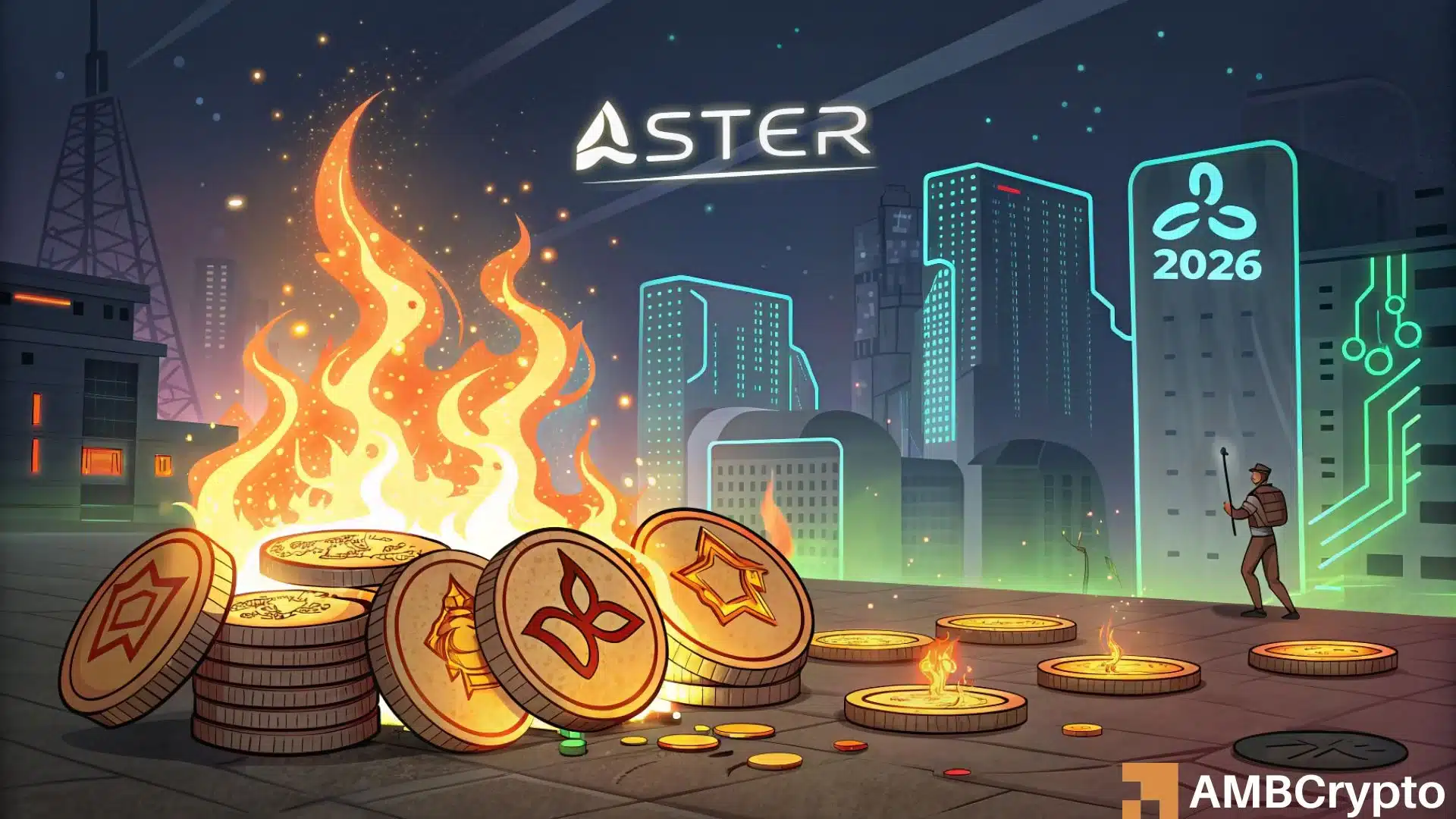
The recent actions taken by AsterDEX, particularly the burning of 77.8 million tokens and a substantial buyback totaling $173 million, signify a bold and strategic approach to enhancing the token’s value. This move, aimed at reducing circulating supply, positions Aster to potentially reclaim key price levels in a market that has been notoriously unpredictable. Investors are keenly watching the asset as it aims for a recovery towards the $1.1 mark and possibly a breakout at $1.3.
The Implications of Token Burn and Buyback Strategies
The decision to reduce the supply of Aster tokens through a significant burn is not merely an aesthetic choice; it carries profound implications for the market. By decreasing the available supply, AsterDEX enhances scarcity, which can potentially drive demand upwards as market participants anticipate future price appreciation. Coupled with a robust buyback program, this approach fosters investor confidence, suggesting that the project team is committed to supporting the token’s value in the face of market fluctuations.
Why It Matters
Understanding the context of these actions is crucial. In the highly competitive landscape of cryptocurrencies, where sentiment can shift rapidly, Aster’s buyback and burn strategy reflects a proactive stance that could mitigate volatility. If Aster can successfully reclaim and maintain support at the $1 level, it might pave the way for further price appreciation. Conversely, failing to hold above this support could lead to a significant retracement, undermining the recent gains and investor confidence.
Market Sentiment and Future Projections
The current sentiment around Aster is cautiously optimistic, driven by the recent developments. Analysts suggest that for Aster to maintain upward momentum, it must not only achieve the anticipated price targets but also solidify its position through continuous engagement with its community and ongoing innovation. The roadmap for 2026, which includes staking mechanisms and a Layer 1 launch, could further bolster investor interest and utility, potentially driving demand and price alongside it.
In summary, Aster’s recent strategic moves could serve as a critical turning point, reinforcing its position in the market. The next few weeks will be pivotal as investors closely monitor the token’s performance against key price levels and overall market dynamics.
For those interested in the broader implications of token economics and the strategic maneuvers of emerging blockchain projects, insights can be found on reputable platforms such as CoinDesk and The Block.
Read Also Epochs