🔥 Key Takeaways
- Iranian protestors are using Bitcoin-linked apps like Bitchat and Noghteha to bypass internet restrictions.
- Mesh networks and cypherpunk ideals are playing a crucial role in maintaining communication during the internet blackout.
- These technologies are empowering activists to share information and organize protests despite the regime’s efforts to censor and control the internet.
Breaking the Blackout: Iranian Protestors Use Freedom Tech to Bypass Regime Crackdown
As Iran continues to impose sweeping internet restrictions, a new wave of resistance has emerged. Iranian protestors are turning to Bitcoin-linked apps and decentralized technologies to maintain communication and organize protests, effectively breaking through the digital blackout imposed by the regime.
One of the most prominent tools being used is Bitchat, a Bitcoin Lightning Network-based messaging app. Bitchat allows users to send and receive messages, images, and files without the need for a traditional internet connection. This is particularly valuable in regions with limited or restricted internet access, such as Iran, where the government has been known to cut off internet services to quell dissent.
Recognizing the importance of localized solutions, Iranian developers have created a fork of Bitchat called Noghteha. Noghteha is tailored to the specific needs and cultural context of Iranian users, making it even more effective in the current climate. The app leverages mesh networks, which are decentralized networks that do not rely on a central server or infrastructure. Instead, devices communicate directly with each other, creating a robust and resilient communication system that is difficult for the regime to shut down.
The use of these technologies is rooted in the principles of cypherpunk, a movement that advocates for the use of strong cryptography and decentralized networks to promote privacy and freedom. Cypherpunks believe that technology can empower individuals and protect them from authoritarian control. In the case of Iran, these technologies are proving to be a vital tool for activists and protestors to share information, coordinate actions, and maintain a sense of community and solidarity.
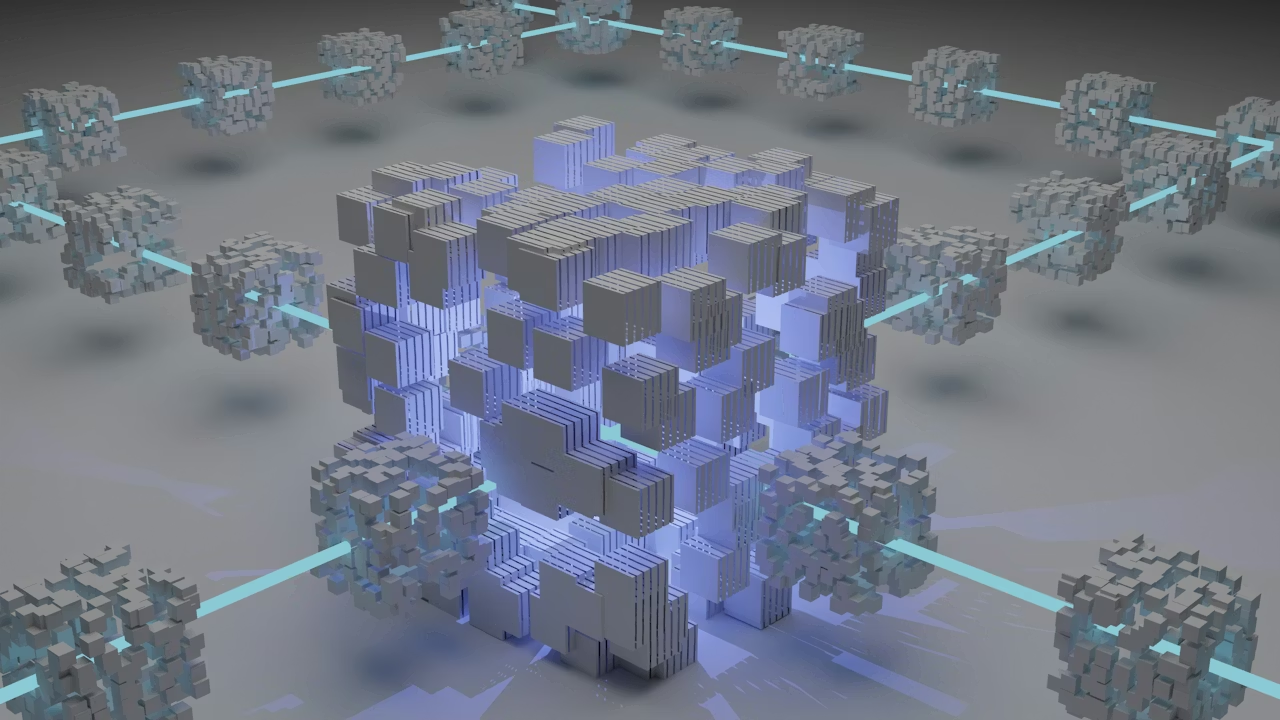
Mesh networks, in particular, have been instrumental in maintaining communication. These networks operate by creating a web of interconnected devices, each of which can relay messages to others. This decentralized approach makes it much harder for authorities to disrupt communication by targeting a single point of failure. As a result, even in areas where the internet is completely cut off, protestors can still communicate and organize.
The resilience and ingenuity of these technologies are a testament to the power of decentralized and censorship-resistant tools. While the Iranian regime may attempt to control and censor the internet, the use of Bitcoin-linked apps and mesh networks is providing a lifeline for activists and protestors, ensuring that their voices are heard and their efforts are not in vain.
As the situation in Iran continues to evolve, the use of these freedom technologies will likely play an increasingly important role in the struggle for democracy and human rights. The decentralized and resilient nature of these tools makes them a powerful force against authoritarian control, offering hope and a path forward for those fighting for a free and open society.
Footer
Read Also Epochs