🔥 Key Takeaways
- AI systems can navigate physical spaces but lack awareness of the digital ecosystems they rely on.
- Roam Network aims to bridge this gap by transforming human movement into live, user-owned intelligence.
- The integration of digital awareness is crucial for the future of autonomous systems in urban environments.
The Digital Blind Spot of Autonomous Systems
As artificial intelligence (AI) systems transition from controlled data centers to real-world applications like self-driving cars and robotics, a critical issue has emerged. While these systems excel at navigating physical environments, they remain unaware of the digital infrastructure that supports their operations. This lack of digital awareness poses significant challenges for their reliability and safety in complex urban settings.
Roam Network’s Vision: Bridging the Gap
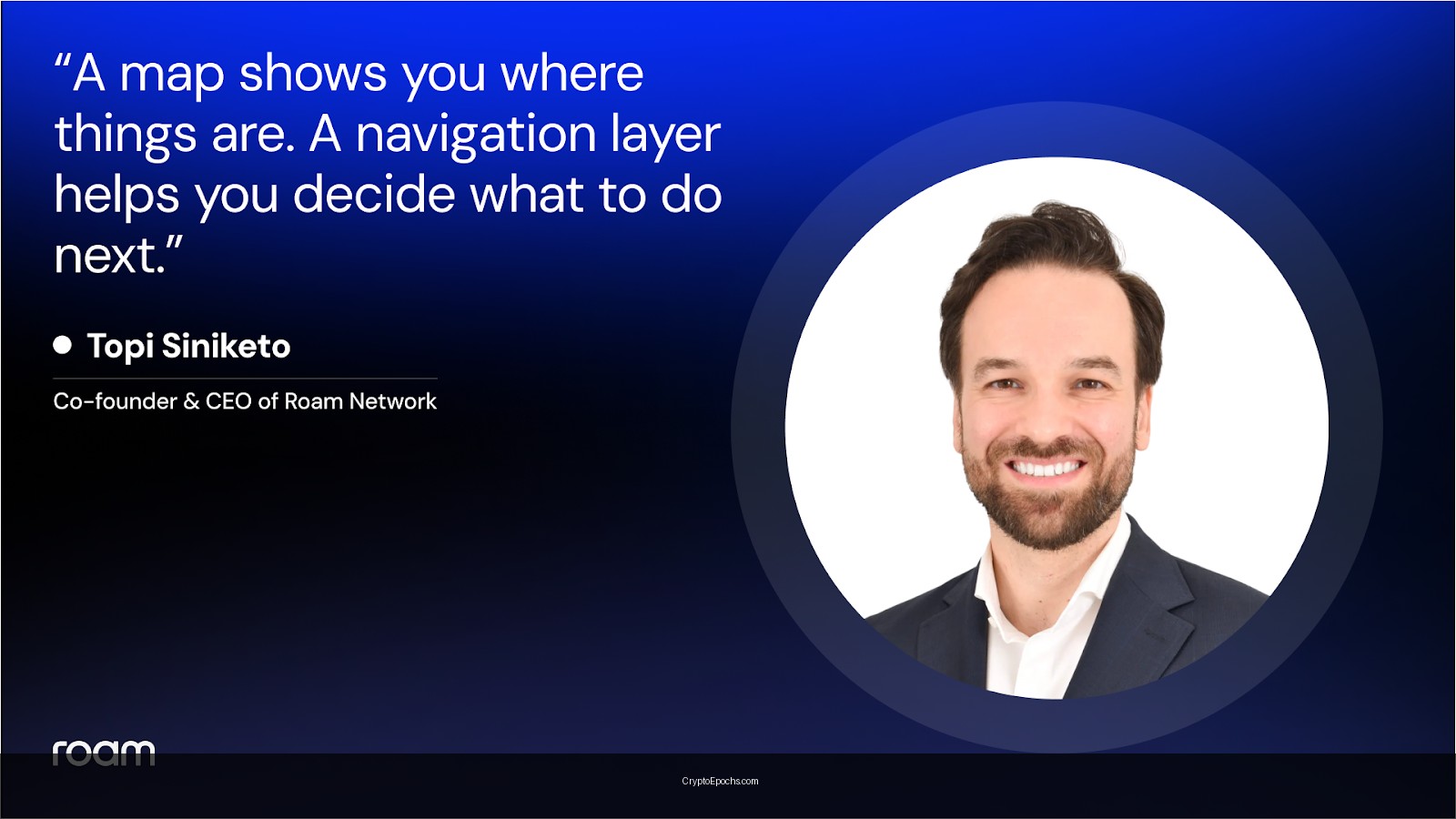
Roam Network, a pioneering project founded to address this disconnect, seeks to create a seamless integration between physical and digital ecosystems. By leveraging human movement, Roam Network generates real-time, user-owned intelligence that machines can access and utilize. This approach not only enhances the capabilities of autonomous systems but also ensures they operate within a framework that respects user privacy and data ownership.
The Importance of Digital Awareness
Autonomous systems rely heavily on digital data streams for navigation, decision-making, and adaptation to dynamic environments. Without a comprehensive understanding of the digital conditions they depend on, these systems risk inefficiency, errors, and even safety hazards. Roam Network’s solution empowers machines with the contextual awareness needed to navigate both physical and digital landscapes effectively.
The Future of Autonomous Systems in Urban Environments
The integration of digital awareness into autonomous systems is not just a technical challenge but a necessity for their widespread adoption. As cities become smarter and more interconnected, the ability of machines to understand and interact with their digital surroundings will determine their success. Roam Network’s innovative approach paves the way for a future where autonomous systems coexist harmoniously with human-centric urban ecosystems.
Read Also Epochs