🔥 Key Takeaways
- Poland’s presidential veto halts stricter crypto regulations.
- This decision deepens Poland’s divergence from EU’s MiCA framework.
- Concerns over national security and regulatory clarity persist.
Poland’s Regulatory Standoff: An Impediment to European Crypto Unity
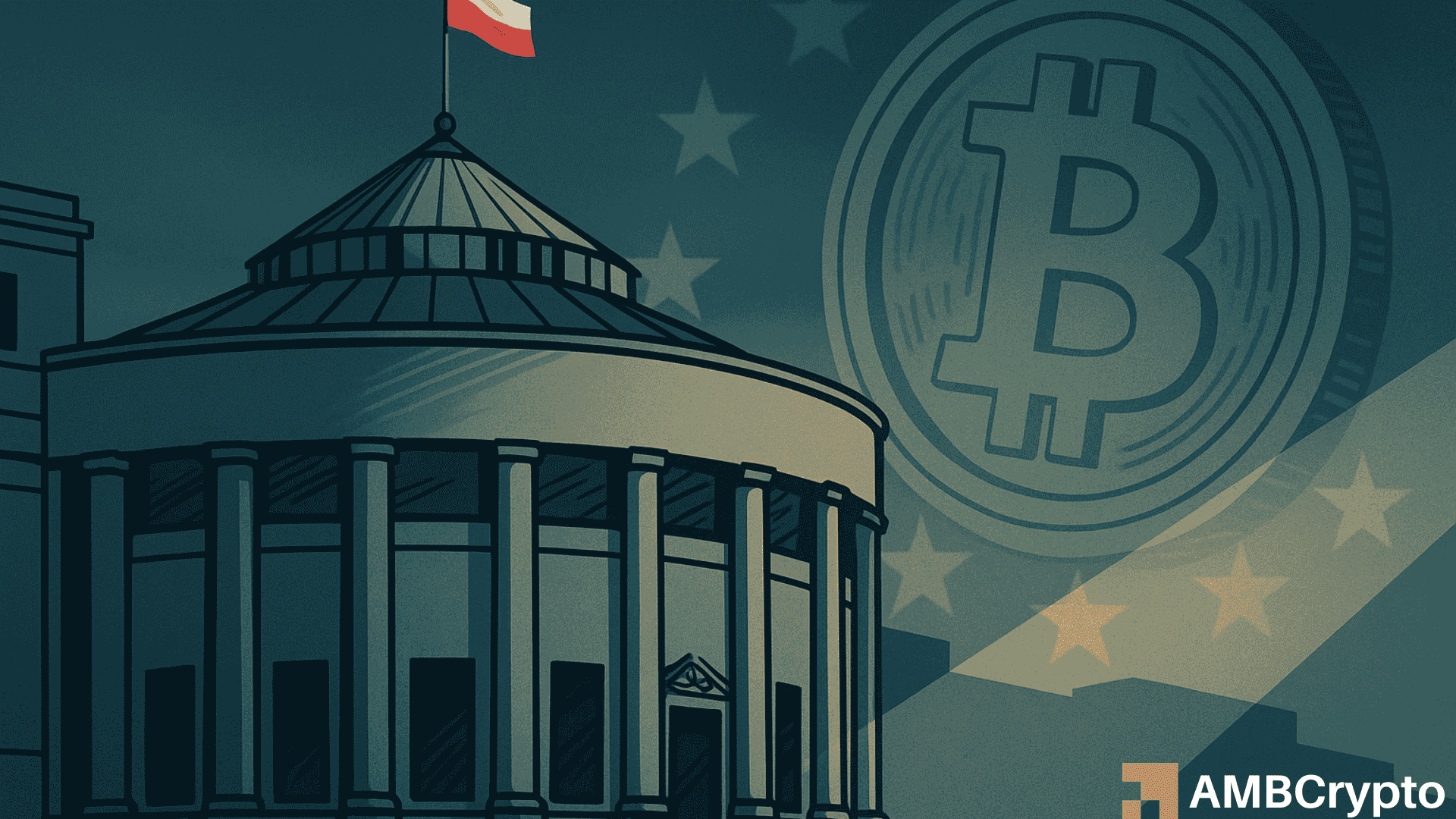
In a significant turn of events, Poland has blocked a proposed crypto oversight bill, which aimed to implement stricter regulations in line with the European Union’s Markets in Crypto-Assets (MiCA) framework. The presidential veto, which could not be overridden by the parliament, has effectively halted the legislative process aimed at enhancing oversight in the rapidly evolving cryptocurrency sector. This situation not only raises questions about Poland’s commitment to EU standards but also highlights a growing divergence in regulatory approaches among member states.
Why It Matters
The implications of Poland’s decision extend beyond its borders. As the EU progresses towards a comprehensive regulatory framework with MiCA, Poland’s reluctance to adopt similar measures poses a significant challenge to the region’s aim of unified oversight. By rejecting the crypto oversight bill, Poland risks becoming a potential haven for unregulated crypto activities, which could attract both legitimate businesses seeking regulatory arbitrage and illicit actors looking to exploit weaker enforcement.
Moreover, the failure to implement stringent regulations raises concerns regarding national security. Cryptocurrency markets have increasingly been scrutinized for their potential use in money laundering, fraud, and other illicit activities. Poland’s stance may lead to a lack of transparency and accountability, creating vulnerabilities within its financial system and potentially undermining investor confidence.
The Bigger Picture
Poland’s decision reflects a broader trend within the EU where individual member states are grappling with the balance between fostering innovation and ensuring adequate regulatory protections. Countries like Germany and France are moving forward with tighter regulations, aiming to create a safer environment for crypto investments. In contrast, Poland’s approach may hinder its competitiveness in the burgeoning digital economy, as businesses may gravitate toward more regulated jurisdictions.
As the global crypto landscape evolves, Poland’s decision could serve as a case study for the complexities of regulatory harmonization. While the MiCA framework seeks to create a level playing field across Europe, the divergence in national policies could lead to fragmented markets, potentially stifling growth and innovation in the region.
In conclusion, Poland’s blocking of the crypto oversight bill signifies not just a national regulatory challenge but a broader European dilemma. The need for cohesive regulatory frameworks is imperative to ensure that the benefits of cryptocurrency can be harnessed while mitigating risks. Stakeholders will be closely watching how this situation unfolds and whether Poland will eventually align with its EU partners or continue on its divergent path.
Read Also Epochs