🔥 Key Takeaways
- The potential of tokenization to transform traditional assets into digital representations.
- Challenges faced in the tokenization landscape, including regulatory and technological hurdles.
- Insights from industry veteran Carlos Domingo on the future trajectory of tokenization.
Understanding the Tokenization Landscape
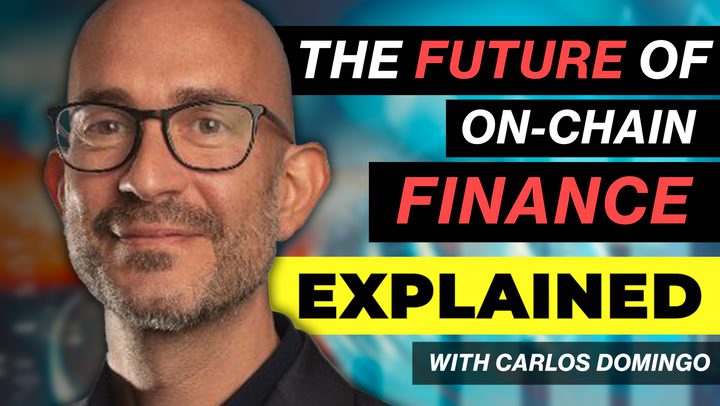
In a rapidly evolving financial ecosystem, tokenization has emerged as a revolutionary force poised to redefine how we perceive ownership and value transfer. Carlos Domingo, co-founder and CEO of Securitize, sheds light on the intricate facets of this phenomenon, illustrating both its promise and the challenges that have impeded its full realization. Tokenization, at its core, involves converting real-world assets into digital tokens that can be traded on a blockchain, thus democratizing access and enhancing liquidity.
The Potential Benefits of Tokenization
The advantages of tokenization are profound. By creating digital twins of physical assets, tokenization can lower barriers to entry for investors, enabling fractional ownership and broadening the investor base. For instance, high-value assets like real estate or art can be divided into smaller, tradable units, thereby inviting a wider range of participants into the market. Moreover, the transparency and security offered by blockchain technology could mitigate fraud and enhance trust, crucial elements for investor confidence.
Challenges and Industry Experiments
However, the journey towards mainstream adoption of tokenization is fraught with challenges. Regulatory uncertainty looms large, as governments and financial authorities grapple with the implications of digital assets. Many early experiments in the tokenization space have faltered due to inadequate regulatory frameworks, technical glitches, or simply the nascent state of the technology itself. Domingo’s insights reveal a pattern of optimism tempered with caution; while the potential is immense, the path is littered with missteps that serve as valuable lessons for future endeavors.
Why It Matters
The implications of successful tokenization extend far beyond the financial sector. As the world leans towards digital solutions, the ability to tokenize assets could significantly enhance liquidity in traditionally illiquid markets. This shift could foster innovation across various sectors, including real estate, art, and even intellectual property. The successful execution of tokenization could also pave the way for new financial products, ultimately reshaping the landscape of investing and ownership.
The Future Trajectory of Tokenization
Looking ahead, Domingo’s reflections suggest that the next phase of tokenization will focus on developing robust regulatory frameworks that can support innovation while protecting investors. The industry must also prioritize technological advancements to ensure the security and efficiency of token transactions. With increasing collaboration between traditional financial institutions and blockchain innovators, the potential for a seamless integration of tokenization into mainstream finance appears promising.
As the narrative around tokenization continues to evolve, stakeholders must remain vigilant and adaptive to the changing landscape. The insights shared by thought leaders like Carlos Domingo will be crucial in navigating the complexities of this burgeoning field and realizing its transformative potential.
Read Also Epochs