🔥 Key Takeaways
- South Korea’s regulatory tightening contrasts sharply with European banks’ embrace of crypto.
- This divergence could reshape global crypto adoption and market dynamics.
- Investors should closely monitor regulatory environments to navigate emerging opportunities and risks.
Shifting Regulatory Landscapes: A Tale of Two Regions
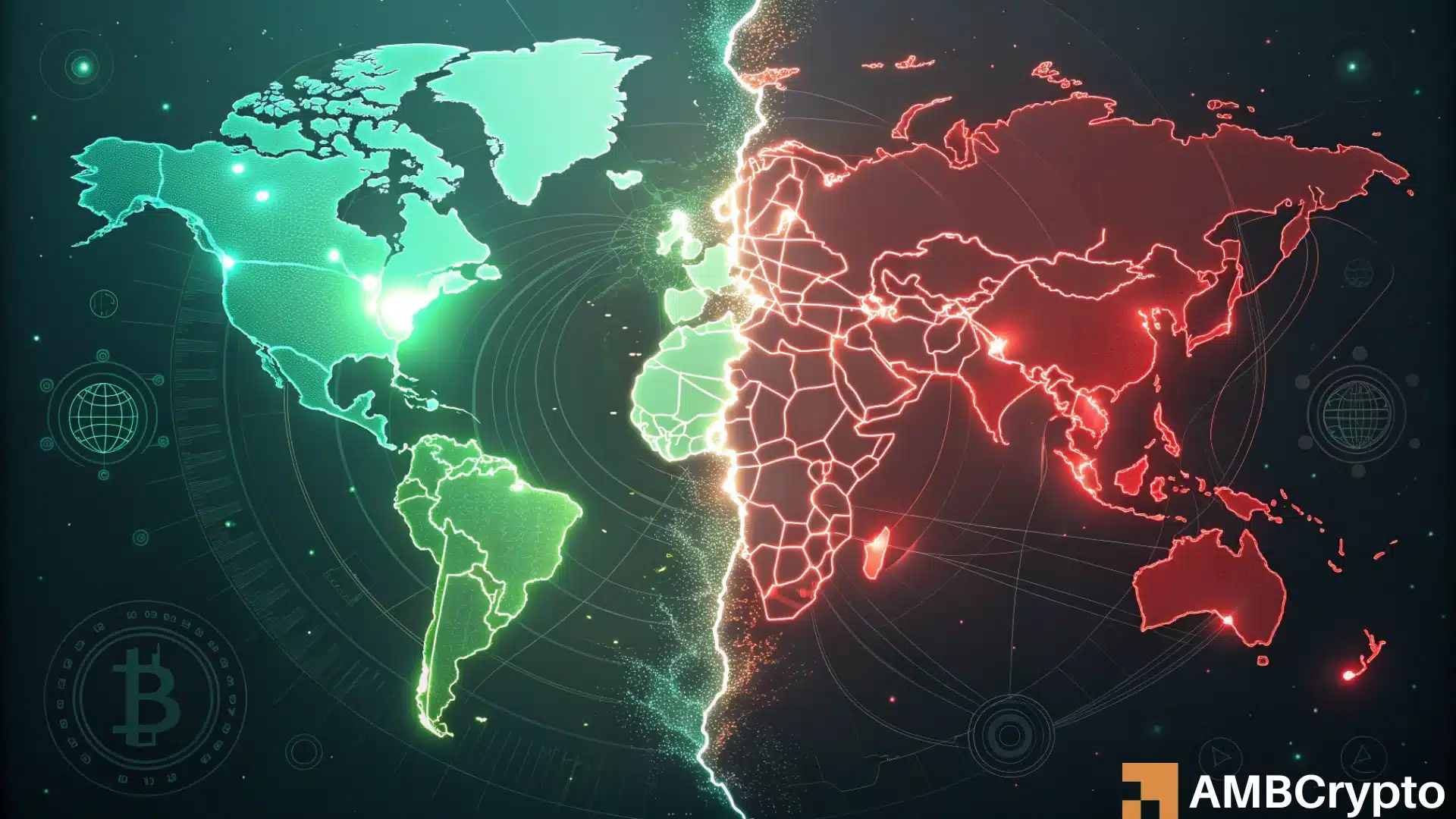
The recent developments in the cryptocurrency space highlight a stark contrast in regulatory attitudes between Europe and Asia, particularly South Korea. As European banks progressively open their doors to cryptocurrency, thereby facilitating broader access for consumers and investors, South Korea is imposing stringent measures that can be seen as an attempt to control the burgeoning market. This dichotomy raises critical questions about the future trajectory of cryptocurrency adoption and the potential implications for market dynamics.
The European Embrace of Cryptocurrency
In Europe, particularly among its largest banking institutions, there is a palpable shift towards the acceptance of cryptocurrencies as a legitimate asset class. Major banks are not only facilitating crypto transactions but are also developing products that allow their customers to invest in digital assets. This move is indicative of a broader trend where regulatory frameworks are evolving to provide clearer guidelines and protections for investors, thereby fostering a more robust ecosystem for crypto innovation. For instance, the European Union’s MiCA (Markets in Crypto-Assets) regulation aims to establish a comprehensive regulatory framework that encourages growth while ensuring investor safety.
The Asian Wall: South Korea’s Regulatory Clampdown
Conversely, South Korea’s recent actions represent a significant tightening of the screws on the crypto sector. The government’s clampdown on cryptocurrency exchanges and Initial Coin Offerings (ICOs) reflects a growing concern over market volatility and investor protection. Such measures may deter potential investors and stifle innovation within the region. The South Korean government’s strict stance can be seen as a cautionary approach, prioritizing regulatory oversight at the expense of growth opportunities in the crypto market.
Why It Matters
The divergent approaches to cryptocurrency regulation in Europe and Asia highlight a critical inflection point for the global crypto market. As Europe positions itself as a leader in crypto innovation, South Korea’s stringent regulations could drive businesses and investors to seek more favorable conditions elsewhere. This may result in a brain drain of talent and capital from Asia to Europe, potentially reshaping the competitive landscape of the global cryptocurrency market.
Furthermore, these contrasting regulatory environments may create a fragmented market, complicating the operations of global cryptocurrency firms. Companies must navigate varying regulations, which could lead to increased compliance costs and operational challenges. This situation reinforces the importance of staying informed about regulatory developments in different regions, as these factors will significantly influence investment strategies and market performance.
Looking Ahead
As the cryptocurrency landscape continues to evolve, the impacts of these regulatory shifts will become more pronounced. Investors should closely monitor developments in both regions, as the regulatory framework will play a crucial role in shaping market dynamics and investment opportunities. The ongoing dialogue between regulators and industry stakeholders will be vital in balancing innovation with consumer protection, ultimately determining the future of cryptocurrency on a global scale.
For those looking to engage in the crypto market, understanding these regional differences is essential. The European Union’s embrace of digital assets may offer a fertile ground for investment, while South Korea’s regulatory caution may serve as a warning for potential pitfalls in a rapidly evolving landscape.
Read Also Epochs