🔥 Key Takeaways
Analyzing Russia’s Strategic Gold Accumulation
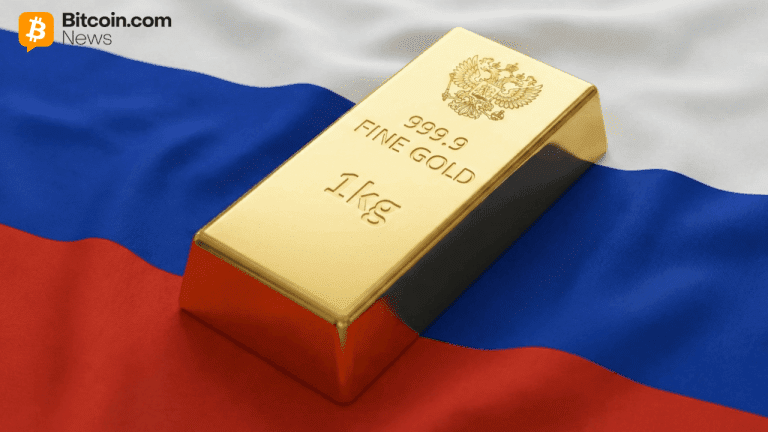
In a notable shift in its financial strategy, the Central Bank of Russia has reported that gold now comprises 42.3% of its international reserves, amounting to over $310 billion. This significant increase in gold holdings underscores Russia’s long-term commitment to de-dollarization and a diversification strategy aimed at reducing reliance on the U.S. dollar in global trade.
Why It Matters
The implications of Russia’s gold accumulation are multifaceted. By holding a substantial portion of its reserves in gold, Russia is not only seeking to hedge against geopolitical risks but is also positioning itself to challenge the dollar’s dominance in international finance. As tensions rise between Russia and Western nations, particularly amid sanctions and economic pressures, the move to strengthen its gold reserves can be seen as a strategic maneuver to bolster national security and economic sovereignty.
Moreover, this trend may have broader implications for the global financial landscape. As countries like Russia and China increasingly invest in gold, it could signal a shift away from dollar-denominated transactions, potentially leading to a recalibration of power dynamics within international trade. This trend could also catalyze other nations to reconsider their own reserve strategies, thus further accelerating the de-dollarization movement.
Market Reactions and Future Outlook
Market analysts are keenly observing how this shift will influence gold prices and the broader cryptocurrency market. Gold has traditionally been viewed as a safe haven during times of economic uncertainty, and as Russia continues to bolster its gold reserves, we may see increased interest in precious metals as a hedge against inflation and currency devaluation.
Furthermore, the rise of digital currencies and assets may also intersect with this trend. As nations look for alternatives to the dollar, cryptocurrencies might gain traction as a viable option, particularly in nations facing sanctions or economic isolation. However, the volatility associated with cryptocurrencies presents its own set of risks that investors must navigate carefully.
In conclusion, Russia’s decision to significantly increase its gold reserves is a powerful statement about its economic strategy and geopolitical positioning. As the global landscape continues to evolve, stakeholders in both traditional and digital markets should remain vigilant in monitoring these developments, as they will likely have lasting impacts on investment strategies and the future of international finance.
Read Also Epochs