🔥 Key Takeaways
- Traditional gaming metrics are evolving due to blockchain technology.
- Decentralized gaming offers new engagement models for players.
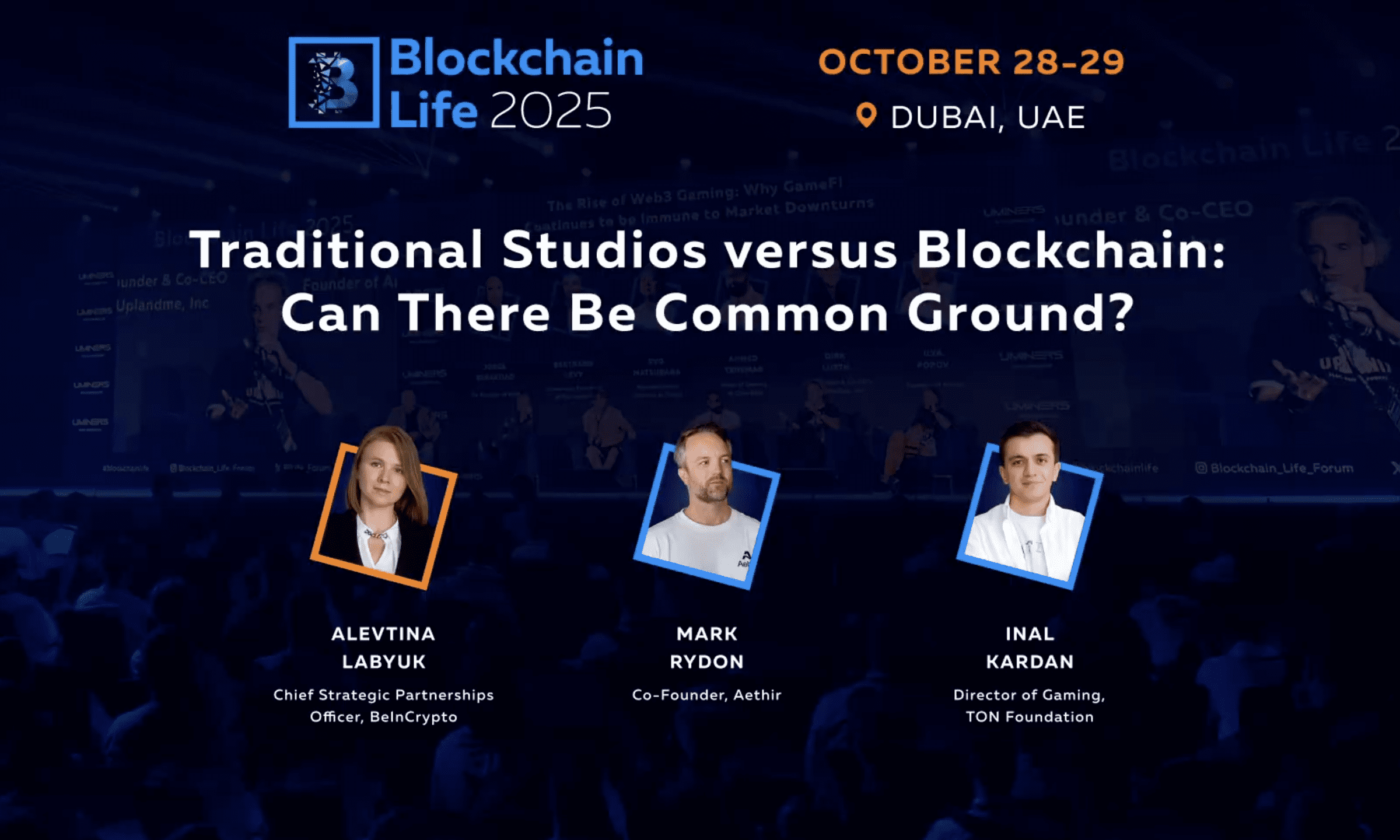
- The potential for collaboration between traditional studios and blockchain developers is significant.
The Intersection of Traditional Gaming and Blockchain
The gaming industry stands at a pivotal moment where traditional metrics of success—primarily the depth of a game’s storyline and the quality of its graphics—are being challenged by the emergence of blockchain technology. This shift is not merely a trend; it’s a profound transformation that has the potential to redefine how games are created, played, and monetized. As decentralized technologies gain traction, the possibilities for engagement and community building expand, urging traditional gaming studios to reconsider their strategies.
Why It Matters
The convergence of blockchain with gaming could catalyze significant changes in player experience and ownership. By allowing players to truly own their in-game assets through non-fungible tokens (NFTs) and enabling decentralized finance (DeFi) mechanisms, the industry could move towards a more player-centric model. This shift not only enhances player engagement but also opens up new revenue streams for developers. The implications of these changes could be far-reaching, potentially leading to a paradigm shift in how games are developed and consumed.
Challenges and Opportunities
Traditional gaming studios have built their reputation on delivering high-quality narratives and visually stunning graphics, but the integration of blockchain introduces both challenges and opportunities. On one hand, there are concerns about the scalability of blockchain technology and its ability to support the rich, immersive worlds that players expect. Furthermore, there is skepticism among some gamers regarding the legitimacy and utility of blockchain elements in gaming.
On the other hand, these challenges present an opportunity for traditional studios to innovate. By embracing blockchain, they can enhance player autonomy and foster communities that transcend the game itself. The integration of user-generated content and decentralized governance models could result in games that evolve organically, shaped by the very players who inhabit them. This could redefine the relationship between developers and players, shifting from a transaction-based model to a collaborative ecosystem.
Looking Ahead
As the gaming landscape continues to evolve, the potential for collaboration between traditional studios and blockchain developers becomes increasingly evident. The successful integration of these two worlds could lead to the creation of hybrid models that leverage the strengths of both approaches. For instance, traditional studios could focus on crafting compelling narratives and visuals while integrating blockchain elements to enhance player engagement and ownership.
Ultimately, the question isn’t whether traditional studios can coexist with blockchain technology but rather how they can synergize to create richer, more engaging experiences. As both sectors navigate this uncharted territory, the future of gaming holds the promise of unprecedented innovation and community-driven experiences.
Read Also Epochs