🔥 Key Takeaways
- Cardano focuses on academic rigor and formal verification, aiming for a secure and sustainable ecosystem.
- Solana boasts high throughput and low transaction costs, making it attractive for decentralized applications (dApps).
- Polkadot’s unique interoperability and multi-chain architecture foster a versatile environment for developers.
Understanding the Layer 1 Landscape
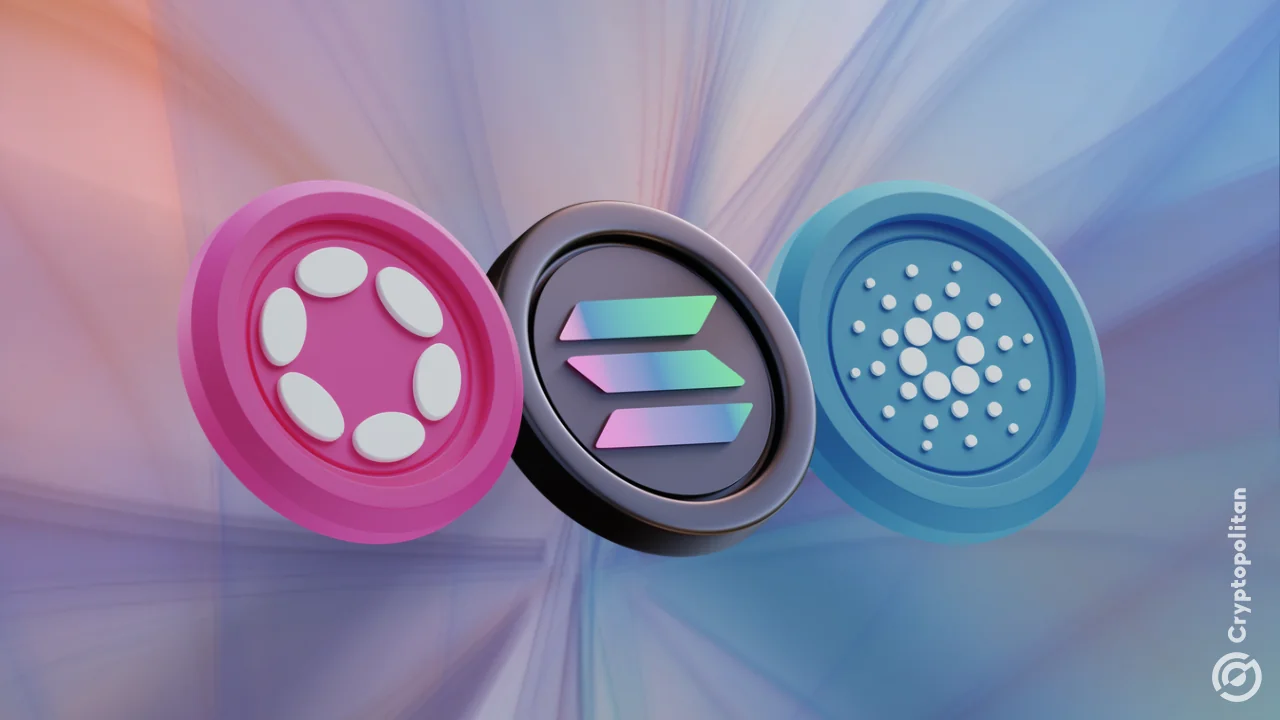
As the blockchain ecosystem continues to mature, the competition among Layer 1 protocols intensifies. Notably, Cardano, Solana, and Polkadot have emerged as significant players, each boasting unique features that cater to various segments of the market. This analysis aims to explore their scalability, decentralization, ecosystems, and real-world adoption, providing insights into their potential trajectories in the crypto space.
Scalability: The Race for Speed and Efficiency
In the realm of scalability, Solana stands out with its innovative consensus mechanism, Proof of History, which enables it to process thousands of transactions per second (TPS) with minimal fees. This scalability has made it a favored platform for developers looking to build high-frequency dApps, especially in the DeFi and NFT sectors.
On the other hand, Cardano takes a different approach, emphasizing a more gradual rollout of features through its research-driven development. Although it does not yet match Solana’s speed, its Ouroboros consensus protocol aims to provide a balance of security and scalability. Meanwhile, Polkadot’s architecture allows multiple blockchains to run in parallel through its parachains, enabling significant scalability while maintaining a high level of security.
Decentralization: Striking the Balance
Decentralization remains a core principle of blockchain technology. Cardano prides itself on its decentralized governance model, which aims to distribute power among its stakeholders. This commitment to decentralization is crucial for building trust within its community.
Conversely, Solana has faced criticisms regarding its degree of decentralization, with a concentration of validators that could pose risks to its network security. Polkadot offers a middle ground, promoting decentralization through its governance model while allowing developers to maintain control over their individual blockchains. This creates a dynamic ecosystem where both innovation and decentralization can coexist.
Ecosystems: A Diverse Range of Applications
When it comes to ecosystems, Solana has rapidly expanded its offerings, attracting a variety of projects, particularly in the DeFi and NFT spaces. Its low fees and fast transaction speeds have contributed to a burgeoning developer community. However, this rapid growth comes with risks, as the sustainability of such a fast-paced environment remains to be seen.
Cardano, with its focus on formal verification and academic rigor, has been slower to develop its ecosystem but emphasizes building long-term partnerships and projects that can drive real-world use cases. Polkadot, with its interoperable framework, supports a diverse range of projects across multiple chains, enhancing collaboration and innovation in the blockchain landscape.
Real-World Adoption: Measuring Impact
Real-world adoption is perhaps the most significant indicator of a blockchain’s success. Cardano’s partnerships with governments and educational institutions aim to create sustainable use cases, particularly in developing regions. Solana’s rapid adoption in the NFT space demonstrates its capacity to attract mainstream interest, while Polkadot’s unique architecture allows it to facilitate interoperability, enhancing its appeal to projects looking for cross-chain solutions.
Why It Matters
The ongoing developments in the Layer 1 landscape will shape the future of blockchain technology. As institutions and individuals increasingly turn to decentralized solutions, understanding the strengths and weaknesses of each platform becomes paramount. The competition between Cardano, Solana, and Polkadot will not only drive innovation but also influence regulatory discussions and user adoption across the globe. As these protocols evolve, their ability to adapt to changing market conditions and user needs will determine their long-term success in the crypto ecosystem.
For further insights on blockchain and cryptocurrency developments, consider visiting CoinDesk and The Block.
Read Also Epochs