🔥 Key Takeaways
- Star Xu projects that 50% of the global economy will transition to blockchain.
- Key drivers include the rise of stablecoins and tokenized assets.
- Regulatory frameworks are pivotal for mainstream adoption of blockchain technologies.
Understanding the Future of Blockchain in the Global Economy
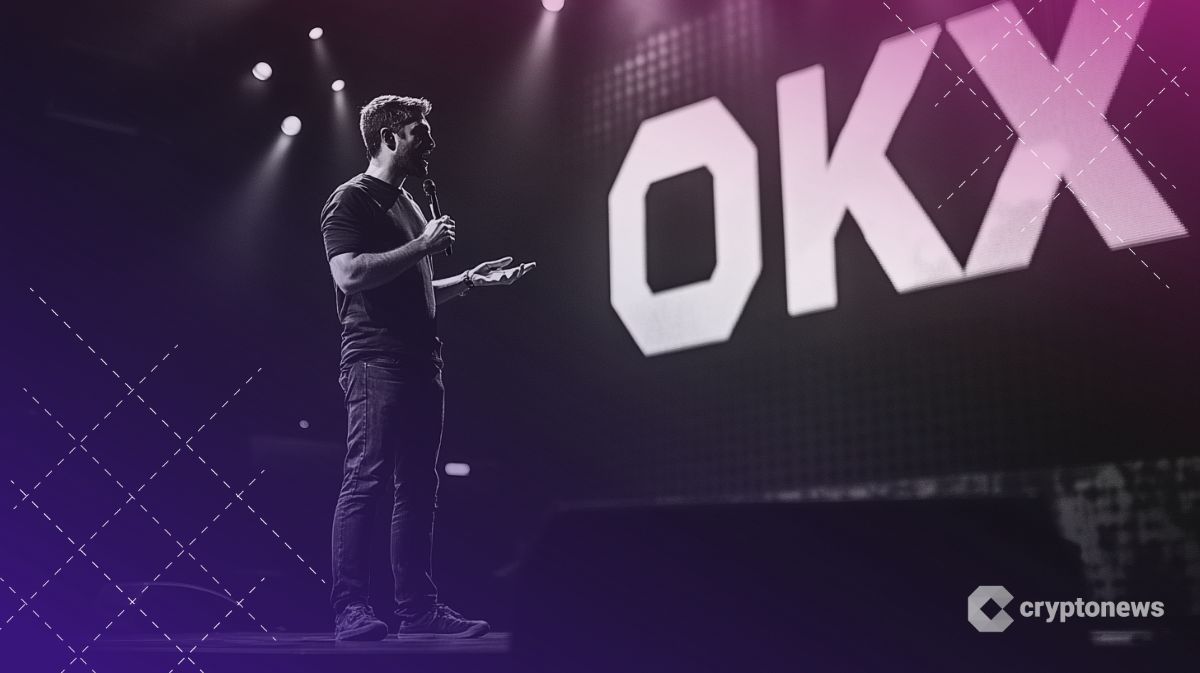
At the recent Abu Dhabi Finance Week, Star Xu, CEO of OKX, made a bold assertion that could reshape our understanding of the global financial landscape: he envisions that up to 50% of the global economy will operate on blockchain technology. This statement comes at a time when the crypto market is at a critical juncture, with increasing interest in on-chain finance and the transformative potential of decentralized systems.
The Drivers of Change
Xu highlighted several key developments fueling this transformation. The growth of stablecoins has been particularly notable. These digital currencies, pegged to traditional assets, offer a more stable alternative to the volatile prices typically associated with cryptocurrencies. As businesses and individuals increasingly adopt stablecoins for transactions, the utility of blockchain in everyday financial dealings becomes more pronounced.
Moreover, the emergence of tokenized assets is set to revolutionize how we perceive ownership and asset management. By converting physical assets into digital tokens on a blockchain, we can enhance liquidity and accessibility, making it easier for smaller investors to participate in markets that were previously out of reach.
Another significant factor is the adoption of self-custody wallets, which empower users to have full control over their digital assets. This trend aligns with growing concerns about centralization and the desire for personal autonomy in financial transactions. As more individuals and institutions embrace self-custody solutions, we can expect a shift towards a more decentralized financial ecosystem.
Regulatory Landscape and Its Implications
Perhaps one of the most crucial elements Xu touched upon is the regulatory work being done in various major markets. Regulatory clarity is essential for the mainstream adoption of blockchain technologies. Governments and financial regulators are increasingly recognizing the potential benefits of blockchain, leading to frameworks that could facilitate compliant blockchain-based settlement systems. This regulatory evolution is vital for instilling confidence among investors and businesses looking to integrate blockchain into their operations.
Why It Matters
The implications of Xu’s vision are profound. If indeed 50% of the global economy transitions to blockchain, we could witness a seismic shift in how financial transactions are conducted, how assets are managed, and how trust is established in economic systems. This transformation could lead to increased efficiency, reduced costs, and greater financial inclusion for underserved populations. However, it also poses challenges, particularly in terms of regulation, security, and the potential for market volatility.
As we move forward, stakeholders across the financial landscape—be they traditional institutions, fintech startups, or regulators—must collaborate to navigate this changing terrain. The potential of blockchain to enhance economic frameworks is immense, but realizing that potential requires thoughtful engagement and proactive strategies.
Read Also Epochs