🔥 Key Takeaways
The ‘Why It Matters’
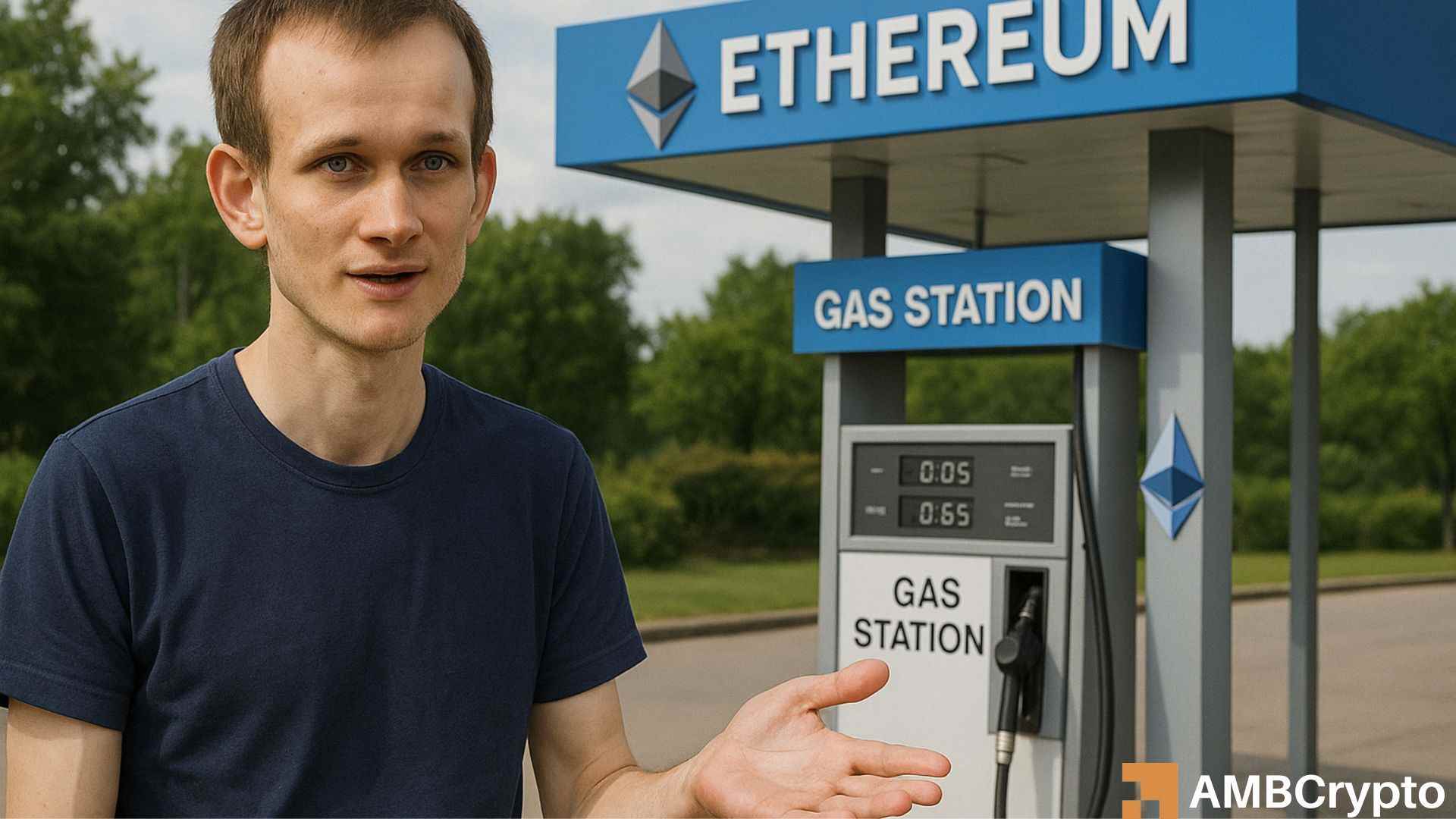
The discussion surrounding Vitalik Buterin’s proposal for a gas futures market in Ethereum has sparked significant debate within the crypto community. As Ethereum continues to grapple with scalability and transaction costs, this innovative approach could represent a critical step towards enhancing the ecosystem’s efficiency. However, the split opinions on its viability illustrate the complexities of implementing such a mechanism, emphasizing the need for careful consideration of both technical and market implications.
Understanding the Proposal
At its core, the gas futures market aims to provide a mechanism for users to lock in transaction costs, thereby reducing uncertainty associated with fluctuating fees during peak times. Proponents argue that this could lead to a more predictable and stable environment for developers and users alike. By allowing users to purchase gas at predetermined rates, the volatility that often plagues Ethereum transactions could be mitigated.
However, skepticism arises from concerns that a futures market could introduce speculative behavior. Critics warn that speculation on gas prices could exacerbate the very issues it seeks to resolve. This raises questions about the potential for market manipulation and the inherent risks associated with trading futures in a nascent market like Ethereum.
Market Implications
The implementation of a gas futures market could have profound implications for Ethereum’s market dynamics. If successfully integrated, it could enhance liquidity and provide more tools for users to manage their transaction costs. This could potentially attract institutional players who prefer a stable pricing mechanism when engaging with the network. However, if mismanaged, it could lead to increased volatility, undermining confidence in Ethereum’s transaction system.
Moreover, the futures market concept reflects broader trends in the crypto landscape, where innovative financial instruments are continually being explored. As platforms evolve and adapt to user needs, the introduction of such mechanisms could pave the way for further financial products that enhance the usability and attractiveness of blockchain technologies.
Conclusion
The divide among experts regarding Vitalik Buterin’s gas futures market proposal underscores the complexity of Ethereum’s ongoing evolution. While the potential benefits are clear, the associated risks cannot be overlooked. The success of such an initiative would depend heavily on careful design, governance, and market education. As Ethereum continues to mature, the dialogue surrounding gas futures will likely play a pivotal role in shaping its future landscape.
For more insights into the evolution of Ethereum and its community-driven innovations, consider checking resources from [CoinDesk](https://www.coindesk.com/) and [CoinTelegraph](https://cointelegraph.com/).
Read Also Epochs