🔥 Key Takeaways
- Stablecoins are not inherently linked to money laundering activities.
- Weak compliance measures in traditional banking systems enable illicit activities.
- Addressing compliance issues is crucial for the legitimacy of the crypto sector.
Understanding the Misconception: Stablecoins and Money Laundering
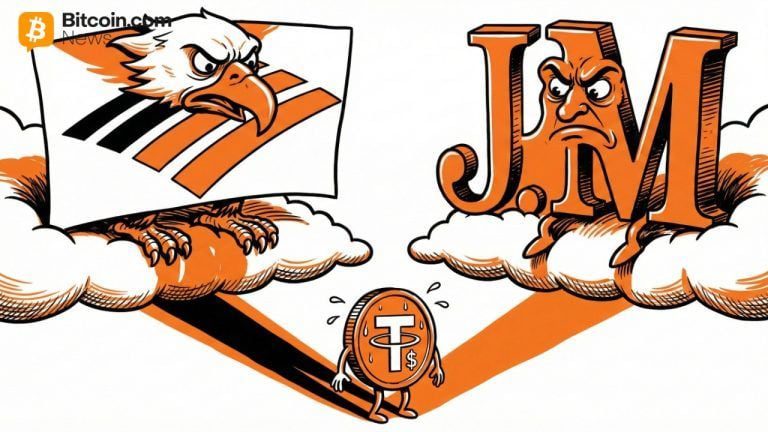
The narrative that stablecoins serve as facilitators for money laundering is a complex issue that has been recently brought to the forefront by media reports, particularly a misleading piece from The New York Times. This perspective paints stablecoins as direct enablers of criminal activities, overshadowing the larger systemic issues within the financial ecosystem. The reality is more nuanced: while stablecoins themselves do not facilitate money laundering, the mechanisms that allow money laundering to occur are deeply rooted in the compliance practices—or lack thereof—of traditional financial institutions.
The Role of Compliance in Financial Crimes
At the heart of the discussion is the fact that it is not the stablecoins themselves that are the problem; rather, it is the weak compliance measures and the lax regulations surrounding the conversion of crypto to cash that create vulnerabilities. Many financial institutions have not adequately updated their systems to deal with the rise of digital currencies, leaving loopholes that criminals can exploit. This indicates a broader issue: a lack of understanding and adaptation to new technologies within the banking sector, which is often quick to blame the new players instead of addressing its own shortcomings.
Why It Matters
This issue holds significant implications for the broader crypto market. If stablecoins continue to be unfairly characterized as conduits for crime, it may lead to increased regulatory scrutiny that could stifle innovation and growth in the sector. Moreover, it may deter legitimate users from engaging with stablecoins, thereby hindering their potential benefits for financial inclusion and transaction efficiency. On the other hand, if banks and traditional financial institutions could focus on enhancing their compliance frameworks, the financial system could become safer and more transparent, benefiting all parties involved.
Looking Ahead: The Future of Stablecoins
In light of these observations, it is essential for stakeholders within the crypto space to advocate for stronger compliance protocols while also engaging with regulators to clarify the role of stablecoins. The narrative around stablecoins must shift from one of suspicion to understanding, emphasizing their potential to enhance the financial landscape rather than degrade it. As the market matures, the focus should be on building a robust compliance framework that addresses the real issues at hand while allowing for the continued growth of innovative financial solutions.
In conclusion, the discourse around stablecoins and money laundering should not be reduced to simplistic narratives. Instead, a comprehensive understanding that considers the interplay between traditional banking weaknesses and the evolving nature of digital assets is vital for fostering a healthier financial ecosystem.
Read Also Epochs