🔥 Key Takeaways
- U.S. banks are now authorized to broker trades for major cryptocurrencies including Bitcoin, Ethereum, XRP, and Solana.
- This move is set to increase competition with existing crypto exchanges, potentially leading to improved services and lower fees for consumers.
- The regulatory landscape is evolving, suggesting a growing acceptance of cryptocurrencies within traditional finance.
Transformative Implications for the U.S. Financial Landscape
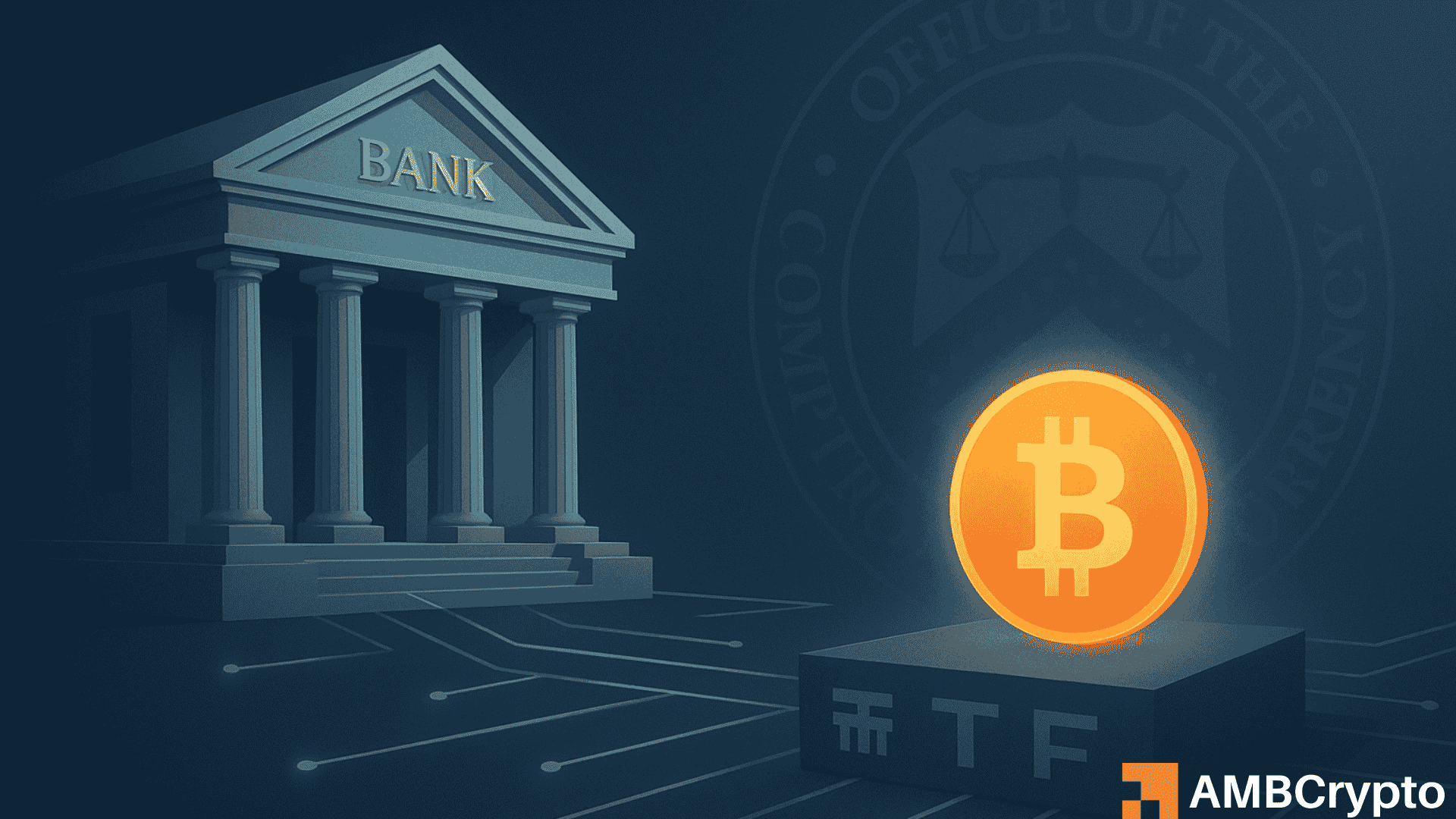
The recent interpretive letter from the Office of the Comptroller of the Currency (OCC) has significant implications for the U.S. banking sector and the broader cryptocurrency ecosystem. By allowing banks to broker trades in cryptocurrencies like Bitcoin, Ethereum, XRP, and Solana, the OCC is fostering an environment that blurs the lines between traditional finance and the burgeoning digital asset market.
Why It Matters
This decision could fundamentally reshape the competitive landscape of digital asset trading. Banks have long been seen as custodians of traditional finance, and their entry into the crypto space legitimizes and solidifies cryptocurrencies as viable financial instruments. As banks begin to offer crypto services, we may witness a shift in consumer trust and behavior, moving many customers from decentralized exchanges to more regulated banking environments. This could lead to increased liquidity in the market, as institutional clients may feel more comfortable engaging with crypto through familiar banking channels.
Potential Outcomes and Future Trends
With U.S. banks stepping into the crypto trading arena, we can anticipate several potential outcomes:
- Enhanced Security and Compliance: Banks are traditionally subject to strict regulatory frameworks, which could offer a more secure environment for crypto trading.
- Increased Innovation: Competition between banks and existing crypto exchanges may drive innovation, leading to improved trading platforms and customer experiences.
- Regulatory Clarity: The OCC’s action may encourage other regulators to clarify their stance on cryptocurrencies, promoting further institutional adoption.
As banks begin to roll out these new services, market participants should closely monitor how this influences trading volumes, pricing dynamics, and the overall acceptance of cryptocurrencies in mainstream finance. The evolution of this regulatory landscape is not just about compliance; it represents a critical turning point in the relationship between traditional finance and digital assets.
In conclusion, the OCC’s letter marks a pivotal moment for both U.S. banks and the crypto market. It opens doors for a broader acceptance of cryptocurrencies, potentially leading to a more integrated financial ecosystem. Stakeholders should prepare for a dynamic period as traditional banking and digital assets converge.
Read Also Epochs