🔥 Key Takeaways
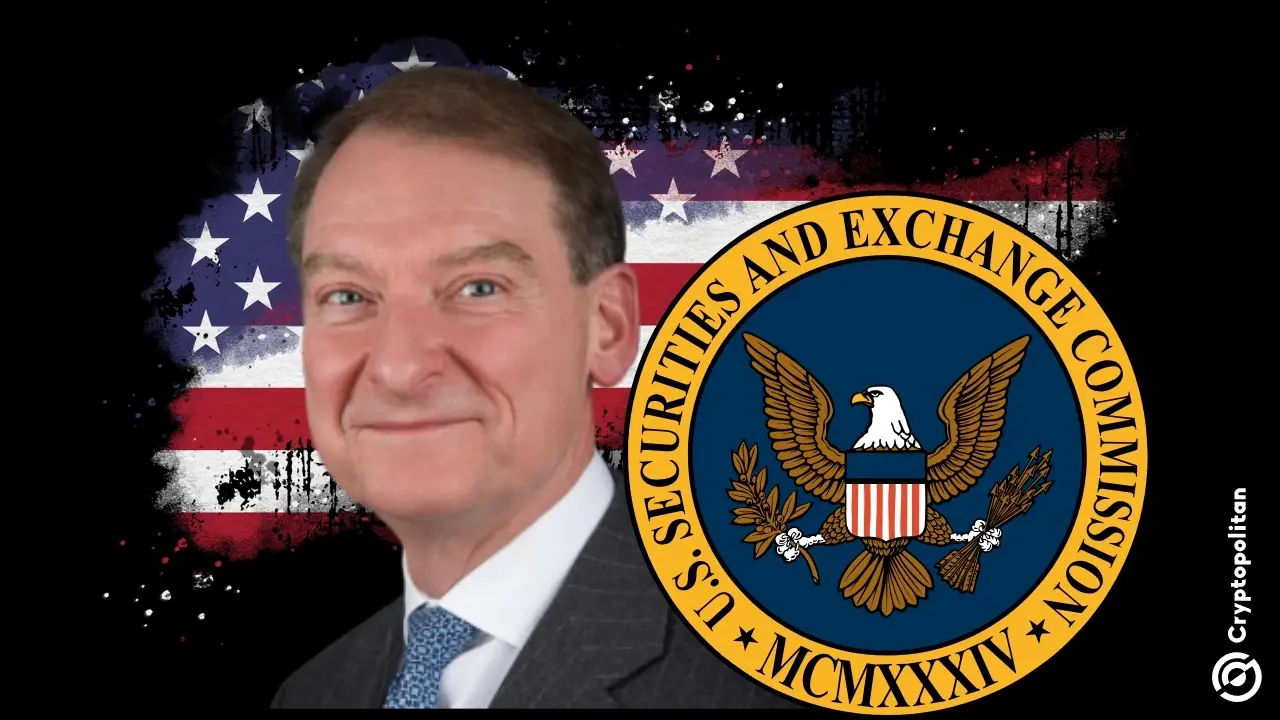
- SEC Chair Paul Atkins asserts most ICOs should not be classified as securities.
- This stance could ease regulatory burdens on a significant portion of the crypto market.
- The decision may foster innovation and attract investment into the ICO landscape.
Understanding the SEC’s Perspective on ICOs
The recent statements by SEC Chair Paul Atkins regarding Initial Coin Offerings (ICOs) represent a pivotal shift in the regulatory landscape for cryptocurrencies. By asserting that the majority of ICOs should not be classified as securities, Atkins opens the door for greater flexibility and innovation within the sector. Historically, the SEC has taken a stringent stance on ICOs, often viewing them through the lens of traditional securities law, which could stifle the growth of new projects.
The ‘Why It Matters’ Section
Atkins’ comments could significantly impact the crypto market by reducing the regulatory burden on many projects. This could lead to an influx of new ICOs, invigorating the market with fresh ideas and technologies. Additionally, a clearer regulatory framework may enhance investor confidence, as projects will have a more predictable legal environment in which to operate. This clarity could attract institutional investors who have been hesitant to engage with the crypto space due to the ambiguous regulatory landscape.
Market Implications
The implications of this perspective are vast. For one, projects that might have previously shied away from launching due to fears of regulatory scrutiny may now feel empowered to proceed. This could lead to a diversification of the ICO ecosystem, with a broader range of use cases and innovations emerging. Furthermore, as the market becomes more accessible, we may see a rise in decentralized finance (DeFi) projects, which rely heavily on the ICO model for funding.
Moreover, the potential reduction in regulatory hurdles could position the U.S. as a more favorable environment for crypto innovation compared to other jurisdictions. Countries with stricter regulatory frameworks may find themselves at a competitive disadvantage as projects seek to launch in more favorable climates. This could lead to a significant shift in where new blockchain technology is developed and deployed.
Future Outlook
Looking ahead, it will be crucial for stakeholders in the crypto ecosystem to engage with regulators to ensure that this favorable stance is maintained. Ongoing dialogue between the SEC and the industry will be essential in shaping a future where innovation can thrive while still protecting investors. As we move forward, the balance between regulation and innovation will be a key theme in the evolving narrative of the crypto market.
In conclusion, SEC Chair Paul Atkins’ comments signal a potential transformation in how ICOs are treated under U.S. law. This could herald a new era of growth and opportunity for the cryptocurrency space, provided that the right measures are taken to ensure a secure yet dynamic environment for innovation.
Read Also Epochs