🔥 Key Takeaways
- The OCC’s openness to chartering digital-asset firms indicates a major shift in regulatory stance.
- This move may significantly enhance the competitiveness of U.S. banks in the global financial landscape.
- Integrating emerging technologies is becoming crucial for traditional banking institutions to retain consumer trust.
The Regulatory Landscape is Evolving
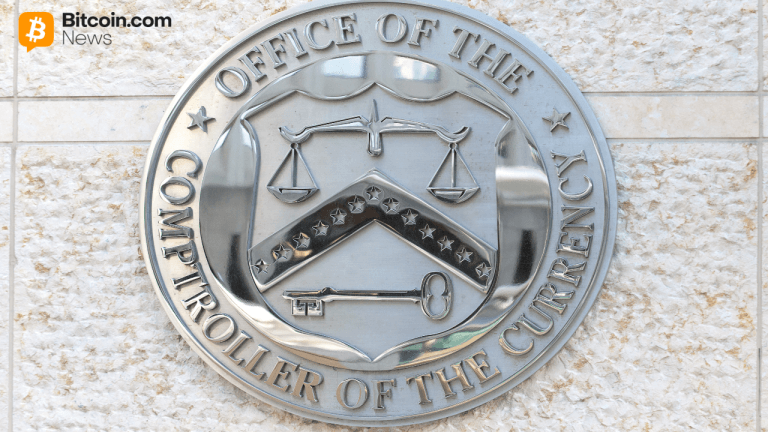
The recent signals from the Office of the Comptroller of the Currency (OCC) indicate a pivotal change in the regulatory framework surrounding cryptocurrencies and digital assets. By considering the chartering of digital-asset firms, the OCC is not just recognizing the growing relevance of cryptocurrencies but is also setting the stage for a new era in banking. This shift reflects a broader acceptance of blockchain technology and its potential to transform traditional financial systems.
Why It Matters
The implications of this regulatory change are profound. As the OCC opens pathways for digital asset firms to operate as chartered banks, it could foster a more integrated financial ecosystem. This would allow for greater competition, innovation, and customer choice in banking services. Furthermore, such regulatory clarity could enhance consumer trust in crypto, which has often been marred by volatility and uncertainty. With banks embracing digital assets, we may witness a significant migration of traditional financial activities onto blockchain platforms, ultimately reshaping how value is exchanged.
Potential Market Impacts
As digital assets gain acceptance within the banking framework, we can expect to see several key market impacts:
- Increased Investment: The confidence generated by regulatory backing may attract institutional investors to the crypto space, driving market capitalization higher.
- New Financial Products: Banks could develop innovative financial products that leverage cryptocurrencies, thus expanding service offerings and revenue streams.
- Global Competitiveness: U.S. banks that adopt these changes may enhance their competitiveness against foreign institutions that are already integrating digital assets into their operations.
As the OCC navigates this complex landscape, it will be crucial for digital-asset firms to align with regulatory expectations while maintaining their innovative edge. The evolving nature of this relationship between traditional banking and digital assets will play a critical role in determining the future of finance.
For those interested in the evolving regulatory landscape of cryptocurrencies, the full details can be found in the OCC’s official communications and industry analyses, such as those from the Forbes or CoinDesk.
Read Also Epochs