🔥 Key Takeaways
- Goldman Sachs estimates the yuan is undervalued by 25%.
- The bank anticipates significant gains for the yuan by 2026.
- The currency is viewed as a top trade opportunity amid current economic conditions.
The Significance of Yuan’s Valuation in the Global Market
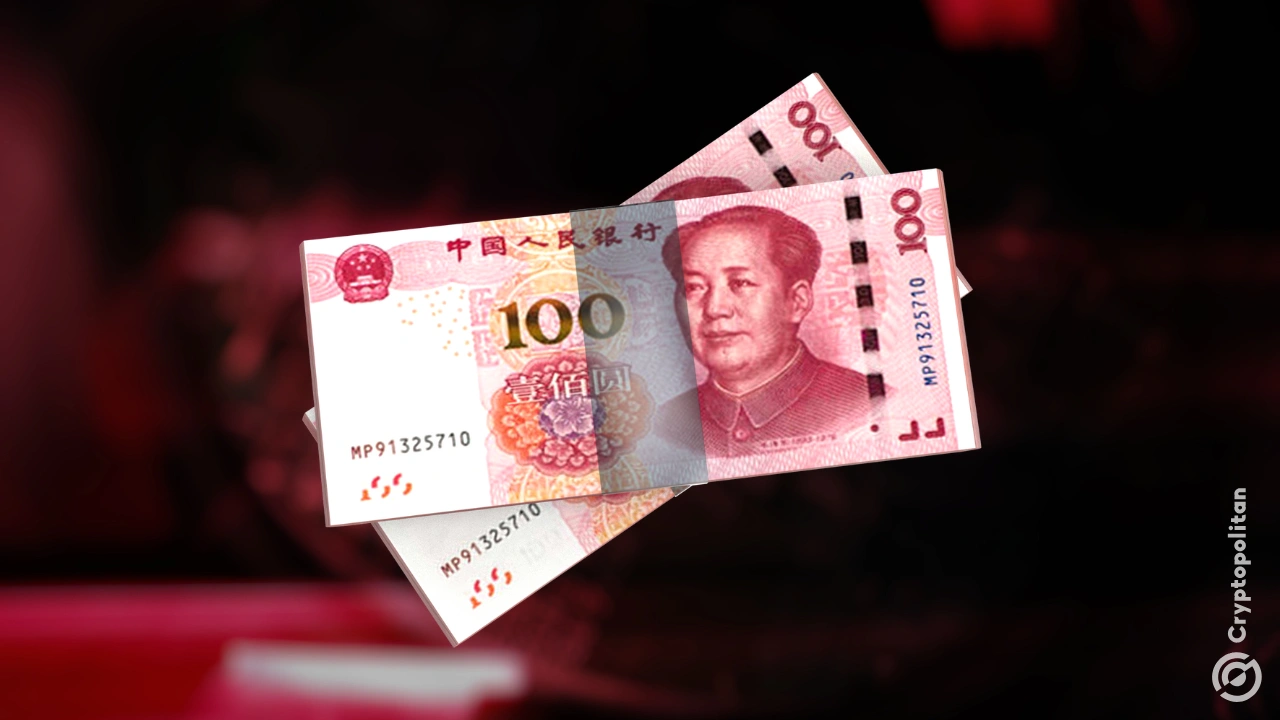
Goldman Sachs’ assertion that the Chinese yuan is trading approximately 25% below its fair value presents a compelling narrative in the context of global currency dynamics. As the world’s second-largest economy, China’s currency valuation holds substantial implications not only for domestic markets but also for international trade, investment flows, and geopolitical relations.
Why It Matters
The valuation of the yuan has far-reaching consequences. An undervalued currency can enhance China’s export competitiveness, potentially leading to a trade surplus that could exacerbate tensions with trading partners like the United States. On the flip side, a stronger yuan by 2026, as predicted by Goldman, could ease some of these tensions and reflect a more balanced global economic environment. Moreover, the anticipated gains in the yuan’s value could attract foreign investment into China, stimulating further economic growth and innovation.
Understanding Goldman’s Perspective
Goldman’s designation of the yuan as one of its highest-conviction trades underscores the bank’s confidence in the currency’s potential for appreciation. The bank’s analysis suggests that the current valuation does not align with the fundamental economic conditions, which include China’s recovery from the pandemic, ongoing reforms, and a strong push towards technological advancement.
Goldman’s forecasts also reflect broader trends in currency markets, where investors are increasingly seeking opportunities that offer potential upside amidst global uncertainties. The anticipated economic growth in China, coupled with supportive monetary policy, sets the stage for a stronger yuan, which could attract not only institutional but also retail investors.
Investment Implications
For investors, the yuan presents an intriguing opportunity. Those looking to diversify their portfolios may consider increasing their exposure to Chinese assets, particularly if they align with Goldman’s optimistic outlook. Additionally, with the yuan potentially strengthening, investors may seek out cryptocurrencies that could serve as a hedge against currency fluctuations. The crypto market, often seen as a volatile yet innovative space, could benefit from increased interest in alternative assets as investors seek to navigate traditional market challenges.
In conclusion, Goldman’s insights on the yuan emphasize the importance of understanding currency valuations within the broader economic landscape. As we approach 2026, monitoring these developments will be crucial for investors and policymakers alike, particularly in a world where currencies can rapidly shift the balance of power in global markets.
Read more on Reuters | Explore further on Bloomberg
Read Also Epochs