🔥 Key Takeaways
The ‘Why It Matters’
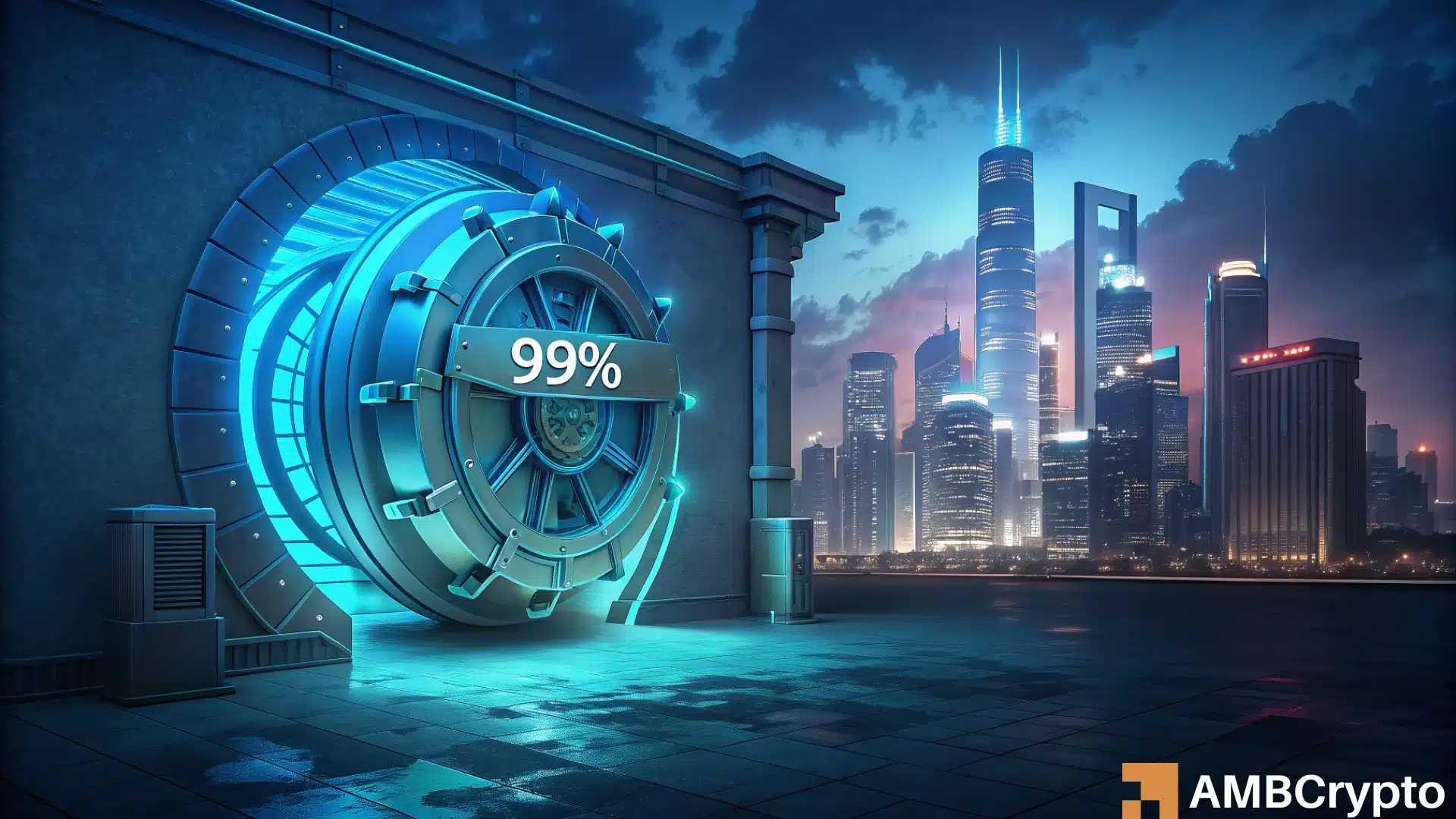
The recent announcement from Upbit, South Korea’s largest cryptocurrency exchange, regarding a 99% overhaul of its cold-storage security protocols, is not just a technical upgrade; it is a significant response to the evolving landscape of cryptocurrency regulation and security challenges. As the crypto market continues to grapple with security breaches and increasing scrutiny from regulators, this move is likely to set a precedent for other exchanges and could pave the way for a more secure trading environment across the nation.
Contextual Background
South Korea has been at the forefront of the cryptocurrency revolution, with a vibrant trading culture and a growing number of investors. However, the country has also faced its share of scandals, including hacks and thefts that have eroded investor confidence. The recent developments indicate that exchanges are taking proactive measures to not only safeguard assets but also to regain trust in a market that has been under the microscope for its regulatory compliance.
Upbit’s decision to enhance its cold-storage solutions is a strategic pivot in response to these pressures. Cold storage, which refers to the offline storage of cryptocurrencies, is crucial in protecting digital assets from hacks and cyber-attacks. By upgrading its security measures, Upbit is signaling its commitment to investor protection and its willingness to adapt to a more regulated environment.
Market Implications
The ramifications of this overhaul extend beyond Upbit and into the broader South Korean cryptocurrency landscape. As regulatory bodies contemplate various measures to govern the crypto sector more effectively, exchanges will likely be compelled to follow suit. This could lead to a wave of similar initiatives across the industry, enhancing security protocols and potentially driving up operational costs for exchanges as they invest in compliance and security measures.
Furthermore, as exchanges adopt more rigorous security standards, we may witness a shift in market sentiment. Enhanced security could attract a broader base of institutional investors who have been hesitant to enter the crypto market due to concerns over security and regulatory uncertainty. The emphasis on security could also bolster public confidence, paving the way for increased participation in the market.
In conclusion, Upbit’s announcement is more than just an operational upgrade; it is a response to a rapidly changing regulatory environment and market dynamics. The move may catalyze a broader transformation in South Korea’s crypto ecosystem, emphasizing security, compliance, and ultimately, stability.
For further insights on cryptocurrency regulations and security measures, check out [CoinDesk](https://www.coindesk.com) and [The Block](https://www.theblock.co).
Read Also Epochs