🔥 Key Takeaways
- Rep. Keith Self’s accusation highlights a significant policy rift over Central Bank Digital Currencies (CBDCs).
- The inclusion of anti-CBDC language in the NDAA is crucial for shaping future U.S. digital currency regulations.
- This controversy reflects broader concerns about government oversight and individual financial privacy.
Understanding the Implications of the CBDC Debate
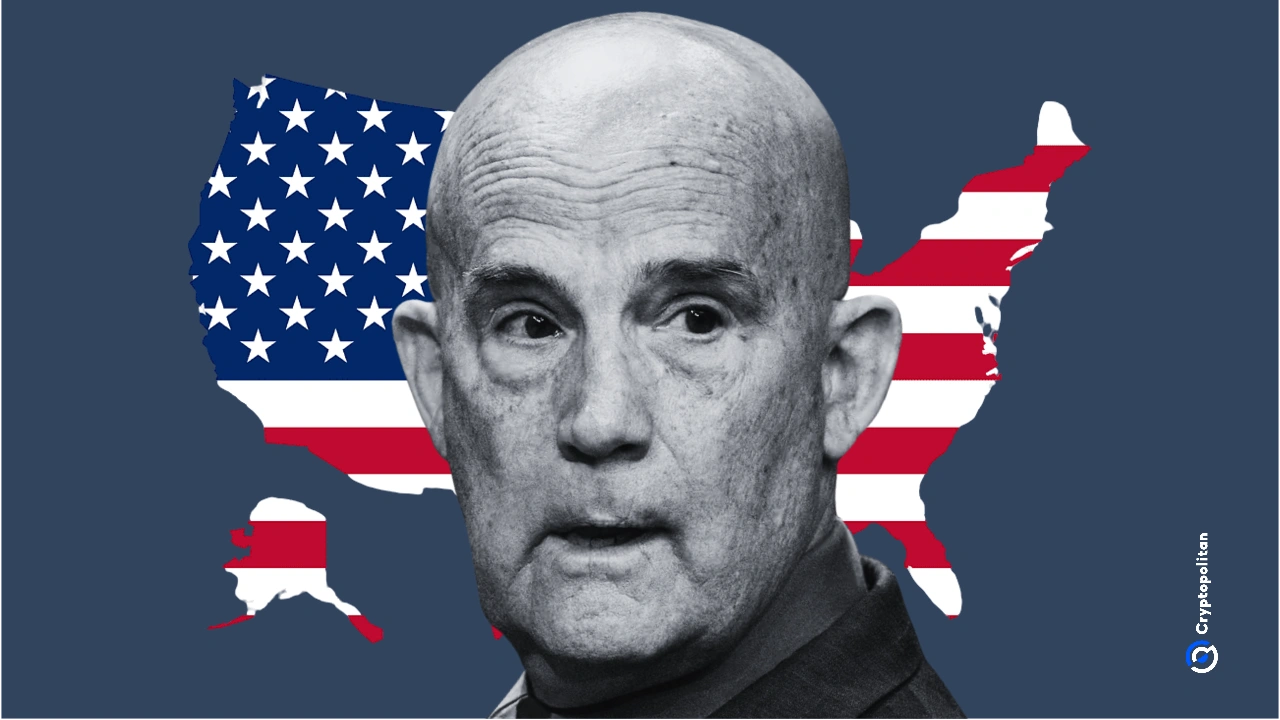
The recent controversy in the U.S. House of Representatives regarding Central Bank Digital Currencies (CBDCs) signifies a pivotal moment in digital currency policy. Rep. Keith Self (R-TX) has publicly accused House leadership of failing to uphold a promise to include anti-CBDC language in the National Defense Authorization Act (NDAA). This accusation not only underscores internal political friction but also raises critical questions about the future direction of U.S. monetary policy.
Why It Matters
The implications of this debate extend beyond mere legislative details. The failure to include anti-CBDC provisions could lead to increased government control over digital financial transactions, potentially undermining the principles of privacy and autonomy that many advocates of decentralized finance cherish. As governments worldwide explore CBDCs, the U.S. must navigate the fine line between innovation and regulation. The outcome of this legislative tussle could set a precedent for how digital currencies are governed, impacting both consumers and businesses in the cryptocurrency space.
Political Dynamics and Market Reactions
This internal conflict within the House is reflective of a broader skepticism towards CBDCs, particularly among libertarian and conservative factions. As the cryptocurrency market continues to evolve, the outcome of such legislative decisions could significantly influence market sentiment. If anti-CBDC provisions are eventually included, it may bolster confidence in decentralized solutions, potentially driving investment back into cryptocurrencies. Conversely, a lack of such protections could lead to a downturn as market participants reassess the risks associated with governmental encroachment into digital finance.
Moreover, as the U.S. grapples with these legislative challenges, other countries are making strides in their CBDC initiatives. Nations like China and several EU member states are advancing their digital currency projects, emphasizing the need for the U.S. to establish a coherent and forward-looking approach. The outcome of the NDAA discussions will likely resonate beyond American borders, influencing global perceptions of the U.S. stance on digital currencies.
In summary, the ongoing debate over CBDCs in the U.S. Congress is not merely a political squabble but a critical juncture that could reshape the landscape of digital finance. Stakeholders across the spectrum—ranging from policymakers to crypto investors—must closely monitor these developments as they unfold.
Read Also Epochs