🔥 Key Takeaways
The ‘Why It Matters’
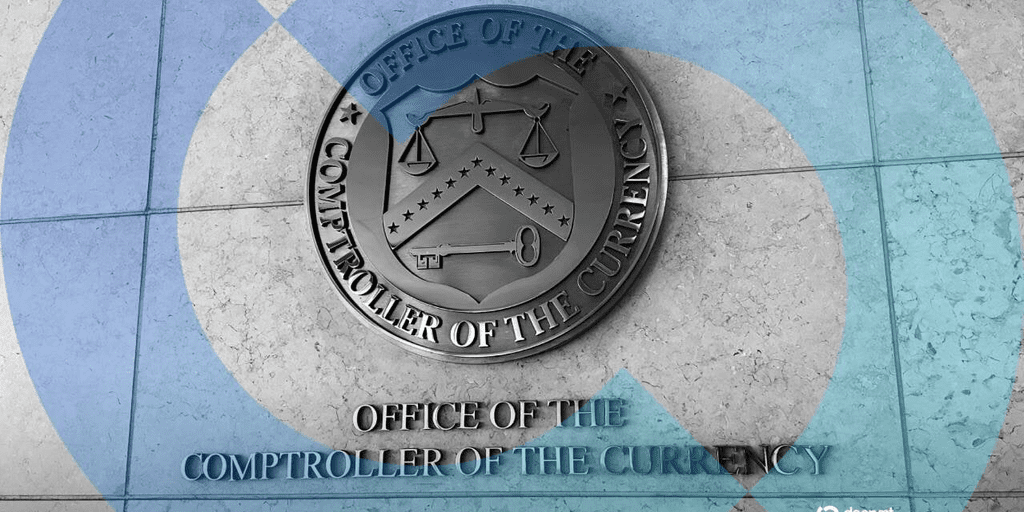
The recent preliminary report from the Office of the Comptroller of the Currency (OCC) highlights a critical issue affecting the burgeoning crypto industry: the tendency of major U.S. banks to engage in what is termed “debanking.” This practice involves the systematic denial of banking services to legitimate cryptocurrency businesses based on their industry classification rather than a comprehensive assessment of risk. The implications of this behavior are profound, as it not only stifles innovation but also creates an uneven playing field that disadvantages lawful enterprises while potentially driving them into unregulated territories.
As the OCC has pointed out, this denial of access to financial services can be perceived as an attempt to “weaponize finance,” whereby institutions selectively choose which sectors to support based on subjective criteria. This undermines the foundational principles of a free market and restricts the potential for growth and development within the blockchain ecosystem.
Understanding the Landscape
The OCC’s findings come at a pivotal time when the crypto market is maturing and seeking to establish itself as a legitimate sector within the broader financial landscape. Despite the inherent risks associated with cryptocurrencies, which have been well-documented, the blanket refusal by banks to engage with this sector raises significant questions about the motivations behind such policies.
The report suggests that the decisions made by banks are not necessarily rooted in risk management but are influenced by broader regulatory pressures and a lack of understanding of the crypto economy. This approach not only impacts the businesses seeking banking services but also affects consumers who stand to benefit from the innovations that these businesses can offer.
In a market that thrives on disruption and innovation, the reluctance of traditional financial institutions to adapt could lead to a significant loss of competitiveness. If banks continue to exclude the crypto sector, they risk missing out on an opportunity to engage with a rapidly evolving landscape that is redefining how value is exchanged globally.
Looking Ahead
The OCC’s call to action is a critical step towards addressing the issues of debanking and financial exclusion. By advocating for a more equitable approach to financial services, there is potential for increased collaboration between traditional banks and crypto businesses. This could pave the way for the development of robust regulatory frameworks that not only protect consumers and investors but also foster innovation.
As the market continues to evolve, it will be essential for regulators and financial institutions to work together to create an environment that encourages growth while maintaining necessary oversight. If traditional banks can recognize the value that the crypto industry brings, they may find themselves at the forefront of a new financial era rather than standing on the sidelines.
For those invested in or observing the crypto landscape, this moment represents both a challenge and an opportunity. The actions taken by regulators and banks in the coming months will be crucial in shaping the future of finance and determining the extent to which the crypto industry can thrive within the traditional financial system.
For more insights into the intersection of finance and technology, you can visit [CoinDesk](https://www.coindesk.com) or [CoinTelegraph](https://www.cointelegraph.com).
Read Also Epochs