🔥 Key Takeaways
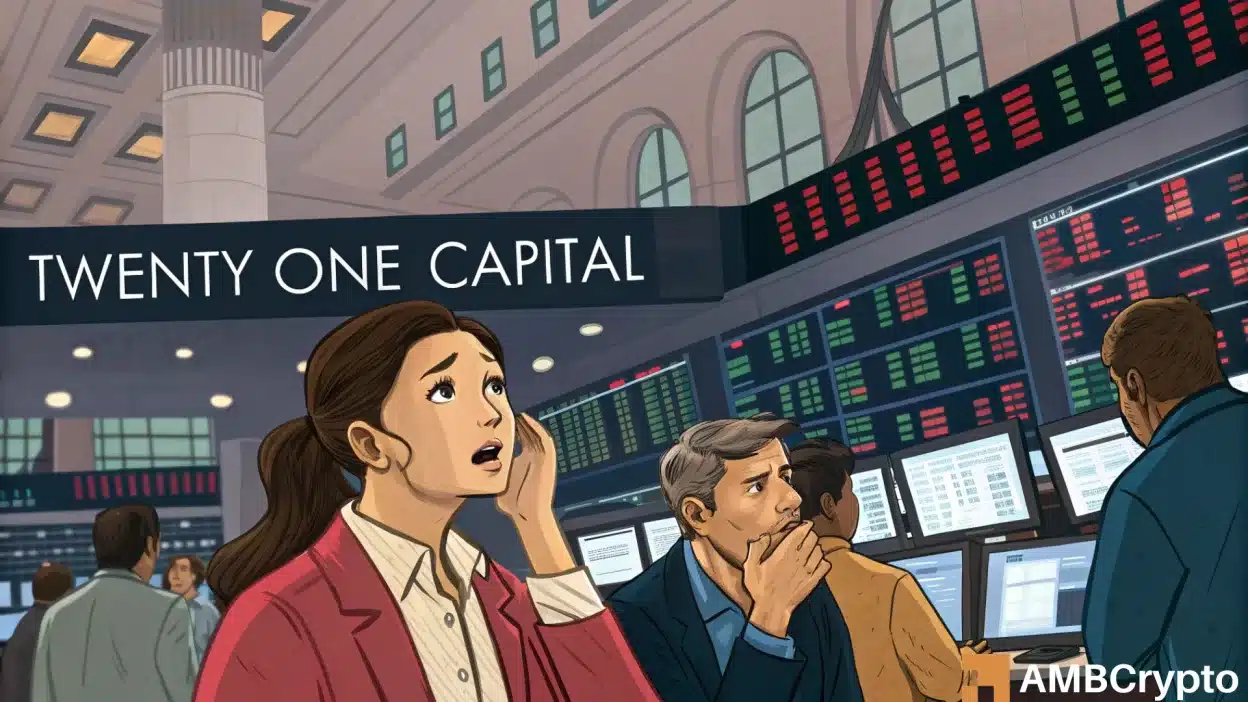
- Twenty One Capital’s NYSE debut experienced a significant 20% drop.
- CEO Jack Mallers aims to establish Bitcoin-based revenue services.
- Investor uncertainty remains amidst regulatory and market volatility.
Analyzing the NYSE Debut of Twenty One Capital: A Rocky Start
The recent NYSE debut of Twenty One Capital has stirred considerable attention in the financial markets, primarily due to its steep 20% decline on the first trading day. Despite CEO Jack Mallers’ ambitious vision of developing Bitcoin-based revenue services, investor sentiment has been notably cautious. This reaction raises several questions regarding the underlying factors affecting investor confidence in the cryptocurrency sector, particularly during a time of heightened regulatory scrutiny and market volatility.
Why It Matters
The decline of Twenty One Capital’s stock serves as a bellwether for the broader cryptocurrency market. As institutional interest in crypto continues to grow, the challenges faced by new entrants like Twenty One Capital reflect the trepidation that investors feel. Market volatility, regulatory changes, and the overall economic landscape significantly impact investor behavior. The company’s struggles may also signal a need for more robust frameworks that provide assurance to potential investors, emphasizing the importance of transparency and trust in this burgeoning sector.
Market Dynamics at Play
Several key factors could explain the lackluster performance of Twenty One Capital on its debut. Firstly, the regulatory environment surrounding cryptocurrencies is increasingly stringent, with many investors wary of potential repercussions. The unpredictability of regulations can create an atmosphere of uncertainty, deterring investment in newly listed companies that are heavily reliant on cryptocurrency markets.
Additionally, the broader economic context cannot be overlooked. As inflation concerns and global economic slowdowns persist, investors are more inclined to adopt a risk-averse strategy, prioritizing stability over potential high returns associated with cryptocurrencies. The appeal of Bitcoin and other digital assets, while growing, is often overshadowed by fears of market manipulation and volatility.
Looking Ahead
For Twenty One Capital, the road ahead is fraught with challenges, but it is not without opportunity. CEO Jack Mallers’ focus on building Bitcoin-based revenue services could position the company favorably if it can navigate the current market climate effectively. By addressing investor concerns around transparency and regulatory compliance, the company may restore confidence and gradually recapture market interest.
Moreover, the ongoing evolution of the cryptocurrency landscape may present new avenues for growth. As digital assets gain traction across various sectors, companies that can innovate and adapt will likely thrive. The key for Twenty One Capital will be to leverage its unique position while fostering a strong relationship with its investors to mitigate fears and drive long-term value.
In conclusion, while the 20% drop in stock value post-debut is alarming, it is essential to contextualize this within the broader framework of the cryptocurrency market. A careful evaluation of regulatory developments and investor sentiment will be crucial in shaping the future trajectory of Twenty One Capital.
Read Also Epochs