🔥 Key Takeaways
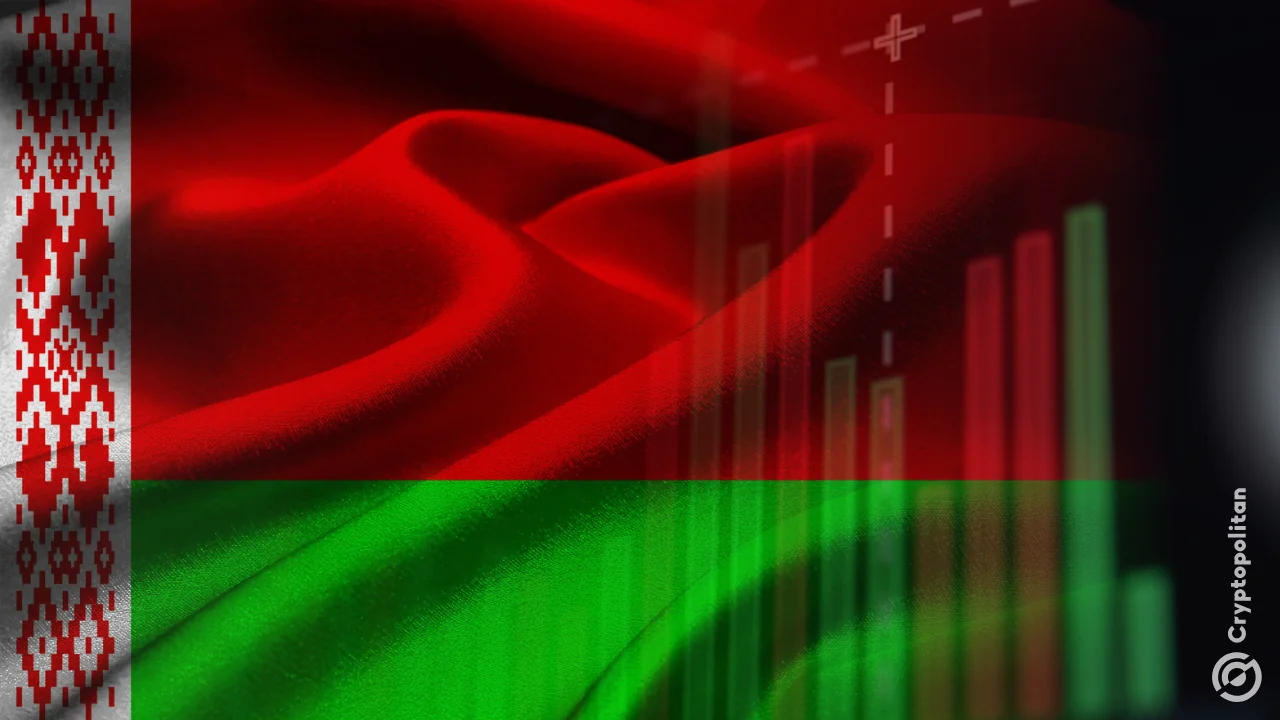
- Belarus has implemented restrictions on access to major global crypto exchanges.
- The Ministry of Information is behind the decision, indicating regulatory tightening.
- Such actions may push crypto activity towards decentralized platforms and peer-to-peer trading.
Understanding the Belarusian Crypto Exchange Ban
Recently, Belarusian authorities have taken significant steps to restrict access to several leading global crypto exchanges. This move, orchestrated by the Ministry of Information, highlights a broader trend of regulatory scrutiny in the cryptocurrency landscape. With major platforms like Binance notably absent from the blacklist, the implications of these restrictions merit a closer examination.
The Context of the Decision
Belarus has a complicated relationship with cryptocurrencies. While the country previously positioned itself as a potential hub for blockchain innovation, recent actions signal a shift towards tighter controls. The blacklisting of top-tier exchanges suggests an effort to clamp down on what authorities perceive as unregulated financial activity that could undermine state control. Such actions may be seen as part of a global pattern where governments seek to reassert their influence over the rapidly evolving crypto markets.
Why It Matters
The immediate impact of these restrictions on Belarusian citizens is clear: limited access to cryptocurrency trading options could hinder their ability to engage with the digital economy. This could drive a segment of the population towards decentralized finance (DeFi) platforms, which often operate outside of traditional regulatory frameworks. Furthermore, the ban may accelerate the use of peer-to-peer (P2P) trading methods, as users look for alternative ways to acquire and trade digital assets.
On a larger scale, such regulatory moves could signal a shift in the crypto landscape. Countries that impose strict limitations on exchanges may inadvertently push innovation into less regulated environments, potentially leading to a rise in anonymous and decentralized trading practices. As global interest in cryptocurrency continues to grow, the reactions from different governments will shape the future of the industry. Investors and stakeholders must closely monitor these developments, as they could create both risks and opportunities.
Looking Ahead
In the wake of these restrictions, it is vital for investors to stay informed about the regulatory landscape in Belarus and beyond. The decisions made by the Belarusian government may influence other nations considering similar measures. Moreover, as the cryptocurrency ecosystem evolves, the capacity for users to adapt to regulatory changes will play a critical role in determining the viability of their investments. Keeping an eye on local and global trends will be essential for navigating this complex and rapidly shifting market.
For more insights on the evolving regulatory landscape, refer to sources like CoinDesk and Reuters.
Read Also Epochs