🔥 Key Takeaways
- Do Kwon sentenced to 15 years for role in Terra’s collapse.
- Potential implications for regulatory scrutiny in the crypto space.
- The case underscores the need for greater transparency and accountability in the industry.
Overview of the Case
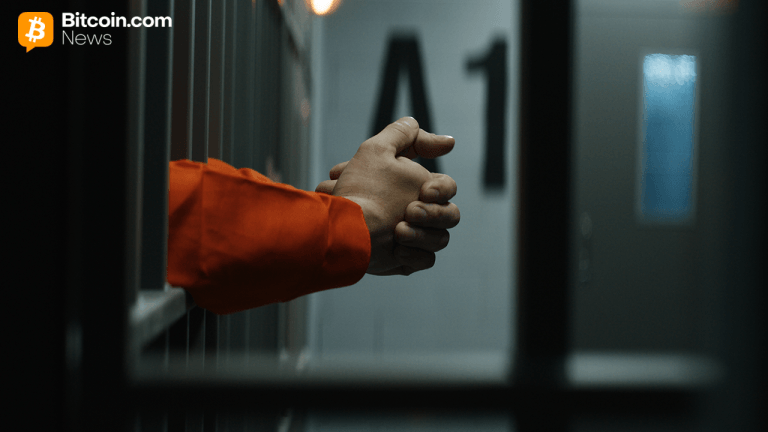
In a landmark ruling, a U.S. federal court has sentenced Do Kwon, the co-founder of Terraform Labs, to 15 years in prison. This ruling stems from his involvement in the disastrous collapse of the stablecoin terrausd (UST) and the cryptocurrency LUNA (now known as LUNC) in 2022. The fallout from this collapse sent shockwaves through the cryptocurrency market, wiping out billions in investor capital and raising serious questions about the regulatory landscape governing digital assets.
Why It Matters
The implications of Kwon’s sentencing extend far beyond his individual case. This ruling serves as a stark reminder of the inherent risks associated with the cryptocurrency market, particularly for projects that lack robust regulatory oversight. As regulators around the globe intensify their scrutiny of the crypto space, this case could set a precedent for future enforcement actions against founders and executives of crypto firms. Investors are likely to demand more transparency and accountability from projects they engage with, potentially reshaping market dynamics.
Market Reaction and Future Considerations
Following the news of Kwon’s sentencing, the cryptocurrency market experienced a notable reaction, with both LUNA and UST derivatives facing increased volatility. While Kwon’s imprisonment may provide a sense of closure for affected investors, it also raises concerns about the long-term implications for the broader crypto ecosystem. As the industry continues to evolve, the need for clear regulatory frameworks becomes increasingly urgent. Stakeholders must address these challenges to foster a more secure and sustainable environment for innovation.
Moreover, Kwon’s potential transfer to a South Korean prison after serving half of his sentence adds another layer of complexity. Given that South Korea has its own stringent laws regarding cryptocurrency, this situation could further complicate matters for existing and future crypto enterprises operating in the region.
As the crypto market grapples with this significant event, industry participants should remain vigilant and proactive in advocating for improved regulatory standards. The future of cryptocurrency will largely depend on how effectively the industry can navigate these turbulent waters and regain the trust of investors.
Read Also Epochs