🔥 Key Takeaways
Understanding Trump’s Executive Order on AI Regulation
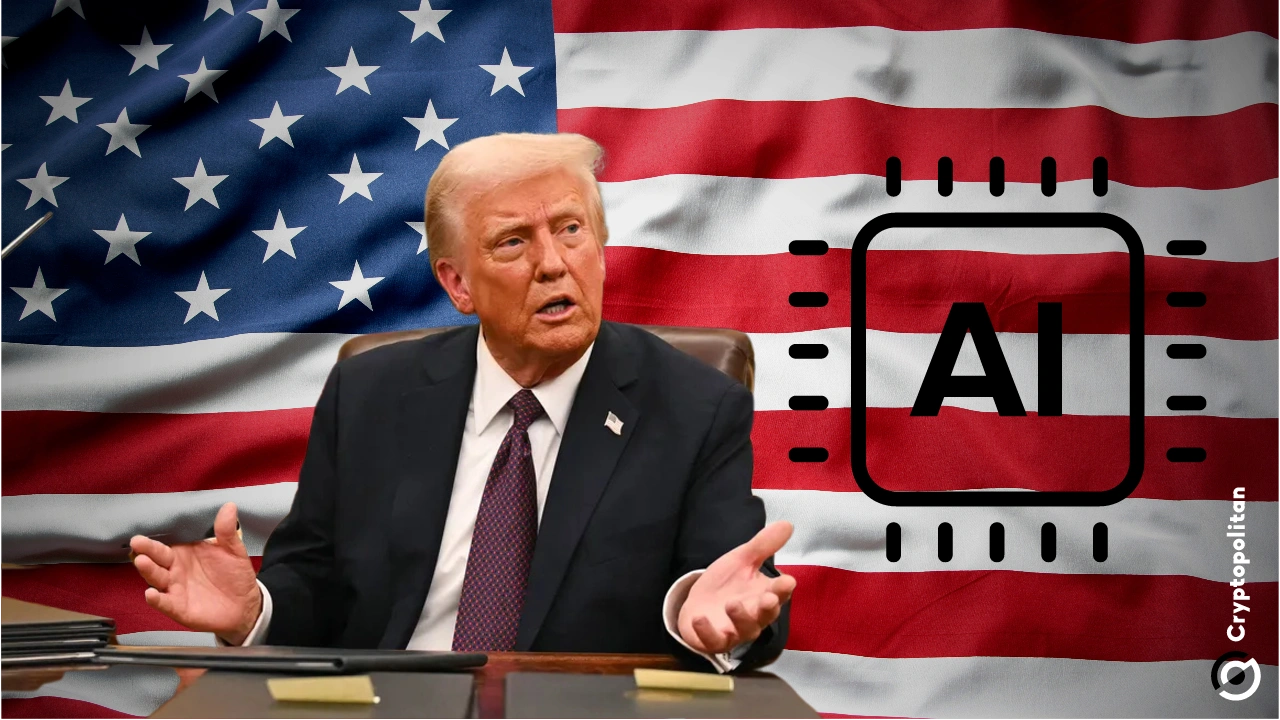
In a significant move towards consolidating the governance of artificial intelligence, President Donald Trump recently signed an executive order aimed at preventing individual states from establishing their own AI regulations. This development underscores the administration’s commitment to maintaining a cohesive regulatory framework that ensures consistency across the nation, particularly as AI technologies continue to evolve rapidly.
The Implications of Centralized AI Regulation
At its core, this executive order reflects a growing concern that a fragmented approach to AI regulation could hinder innovation and complicate compliance for businesses. By blocking states from enacting their own laws, the federal government aims to create an environment where tech companies can operate without navigating a maze of divergent state regulations. This is particularly critical for sectors like cryptocurrency, where clarity and consistency are paramount for fostering growth and attracting investment.
The implications of this order are twofold. On one hand, it simplifies the regulatory landscape for companies developing AI technologies, thereby potentially accelerating advancements and adoption in various sectors, including finance and healthcare. On the other hand, it raises questions about the extent of federal oversight and the potential for increased scrutiny over AI applications, which could lead to regulatory burdens that stifle creativity and entrepreneurial spirit.
Why It Matters for the Crypto Market
The intersection of AI and cryptocurrency is becoming increasingly relevant as both fields push the boundaries of technology and regulatory frameworks. With AI’s ability to analyze vast datasets and make real-time decisions, the potential applications in crypto—from trading algorithms to fraud detection—are immense. However, as the federal government tightens its grip on AI regulations, cryptocurrency firms may find themselves facing stricter guidelines that could reshape their operational strategies.
Moreover, as companies in the crypto space often rely on innovative technologies to differentiate themselves, the federal order could serve as a double-edged sword. While it may streamline compliance processes, it could also signal the onset of a more regulated environment that could stifle experimentation. The balance between fostering innovation and ensuring safety and accountability will be crucial as these technologies continue to converge.
Looking Forward
As the executive order unfolds, it will be essential for stakeholders in both the AI and crypto industries to monitor developments closely. Engaging with policymakers to shape regulations that promote innovation while ensuring ethical standards will be vital. The landscape is rapidly changing, and those who adapt to the new regulatory realities will be better positioned to thrive in this dynamic environment.
In conclusion, Trump’s executive order represents a pivotal moment in the regulatory landscape for AI and, by extension, the cryptocurrency market. By centralizing regulation, the administration seeks to foster innovation while maintaining a cohesive framework that can keep pace with technological advancements.
Read Also Epochs