🔥 Key Takeaways
- Cryptocurrencies like BTC, ETH, SOL, XRP, and ADA surged following Trump’s prediction of a major tax refund season in 2026.
- Economist Peter Schiff accuses Trump of market manipulation, claiming crypto reserves are inflationary.
- Market sentiment appears bullish, but skepticism remains over long-term sustainability.
- Regulatory and macroeconomic factors could influence crypto prices in the coming months.
Trump’s Tax Refund Prediction Sparks Crypto Rally
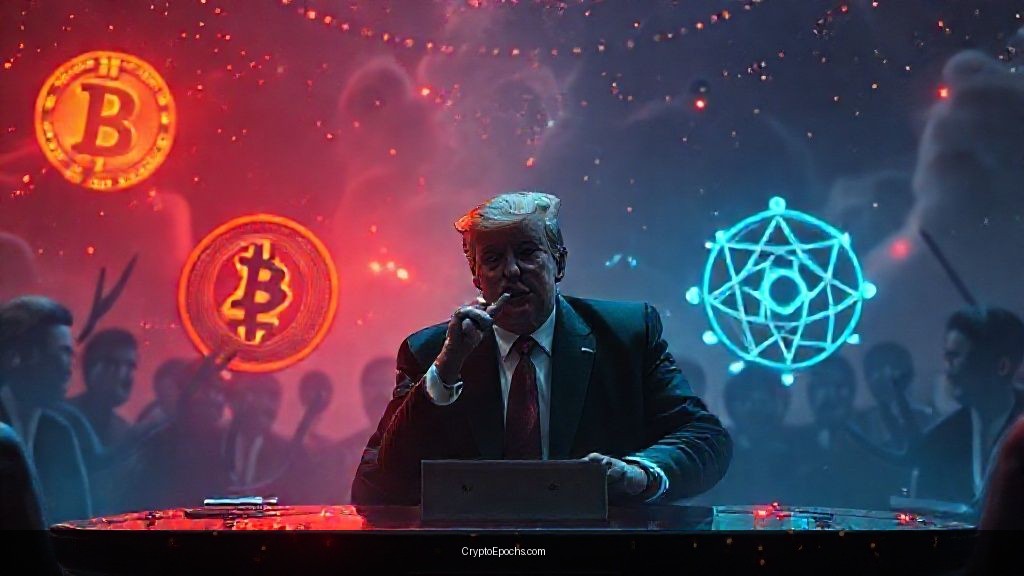
Cryptocurrency markets experienced a notable rally after former U.S. President Donald Trump forecasted what he called the “largest tax refund season” in 2026. Major digital assets, including Bitcoin (BTC), Ethereum (ETH), Solana (SOL), XRP, and Cardano (ADA), saw upward momentum as traders speculated on potential economic implications.
Schiff’s Accusations: Market Manipulation and Inflation Concerns
Prominent economist and gold advocate Peter Schiff quickly criticized the rally, accusing Trump of indirectly manipulating crypto prices. Schiff argued that a tax refund-driven liquidity boost could fuel inflation, making cryptocurrencies—which he views as inherently inflationary—an unattractive long-term store of value. His remarks have reignited debates over crypto’s role in monetary policy and economic stability.
Market Sentiment: Bullish but Cautious
While the immediate market reaction has been positive, analysts remain divided on whether the rally is sustainable. Some see increased retail participation due to tax refunds as a bullish signal, while others warn that speculative trading could lead to volatility. Additionally, regulatory scrutiny and macroeconomic conditions, such as Federal Reserve policies, may play a decisive role in crypto price movements in the coming months.
What’s Next for Crypto Investors?
Investors should monitor both political developments and macroeconomic indicators to gauge the market’s direction. If Trump’s prediction materializes, a surge in disposable income could drive further crypto adoption. However, Schiff’s warnings about inflation and market manipulation suggest that caution is warranted. Diversification and risk management remain key strategies in navigating this evolving landscape.
Read Also Epochs