🔥 Key Takeaways
Understanding Ika’s Strategic Expansion
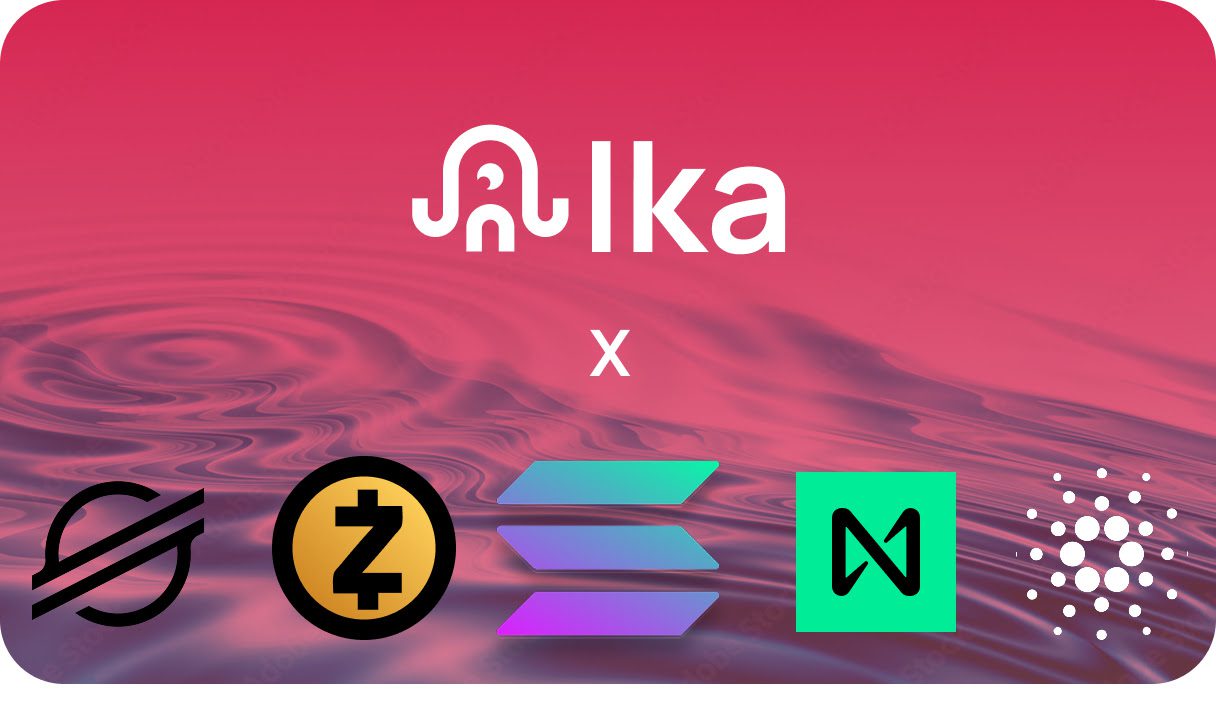
In a noteworthy advancement for cross-chain interoperability, Ika has announced an expansion of its native support to encompass various prominent blockchain ecosystems such as Solana, Zcash, Cardano, Stellar, and Near. This move is underpinned by a significant mainnet upgrade that integrates EdDSA signatures directly from decentralized wallets (dWallets). The implications of this upgrade are profound, as it promises enhanced control and security for users across these diverse networks.
The ‘Why It Matters’ Section
The expansion of Ika’s support to include EdDSA-based ecosystems is crucial for several reasons. Firstly, the adoption of EdDSA signatures is known for its cryptographic efficiency, providing faster transaction times while maintaining robust security standards. This is particularly important in today’s fast-paced crypto landscape, where users demand quick and secure transactions. Secondly, Ika’s initiative to broaden its cross-chain capabilities signifies a critical step toward greater interoperability in the blockchain space, allowing assets and information to flow more freely between different chains. This not only enhances user experience but also encourages the development of innovative decentralized applications (dApps) that can leverage the unique strengths of multiple blockchains.
The Impact on the Crypto Ecosystem
The integration of Ika’s MPC (Multi-Party Computation) technology with major blockchain networks creates a ripple effect that could influence market dynamics significantly. By facilitating direct interactions across chains, Ika is positioning itself as a key player in the evolution of decentralized finance (DeFi) solutions and applications. This enhanced interoperability could lead to a proliferation of new financial instruments and services, ultimately driving broader adoption of cryptocurrencies.
Furthermore, as more platforms recognize the value of interoperability, we may witness a shift in how projects are built and deployed in the blockchain space. The ability to transact seamlessly across different environments not only reduces friction but also opens up avenues for collaboration among developers and projects. The future could see a more cohesive crypto ecosystem, where the barriers of traditional silos are dismantled in favor of a more integrated approach to blockchain technology.
In conclusion, Ika’s recent upgrade is not merely a technical enhancement; it is a visionary step towards realizing the full potential of cross-chain capabilities in the blockchain sector. As users embrace this newfound flexibility, the entire landscape of decentralized applications and services stands to benefit, paving the way for a more interconnected and innovative future.
Read Also Epochs