🔥 Key Takeaways
- Silver prices surged to record highs in China amid tightening physical supply.
- Bitcoin traded flat on Christmas Day, contrasting with silver’s rally.
- The divergence raises questions about Bitcoin’s role as a safe-haven asset.
- Macroeconomic factors, including demand for tangible assets, may be influencing the trend.
Silver Soars in China While Bitcoin Stalls
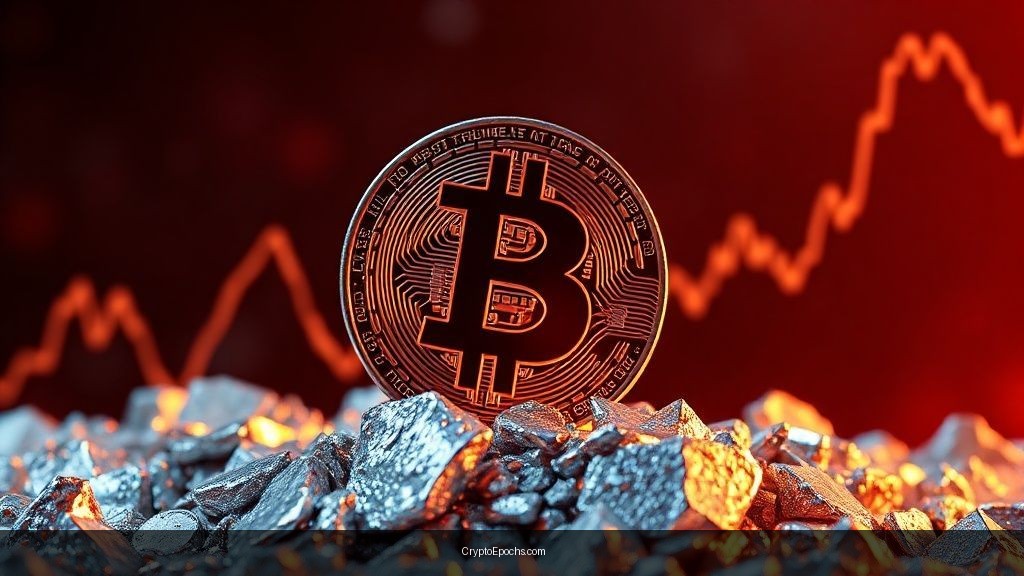
On Christmas Day, silver prices in China reached unprecedented levels as physical supply tightened, reflecting strong demand for the precious metal. Meanwhile, Bitcoin remained stagnant, trading within a narrow range. This divergence highlights shifting investor sentiment and raises questions about Bitcoin’s perceived role as a digital safe-haven asset.
Why Is Silver Outperforming Bitcoin?
The surge in silver prices can be attributed to several factors, including increased industrial demand, geopolitical uncertainty, and a flight to tangible assets amid inflationary pressures. China, a major consumer of silver for both industrial and investment purposes, has seen heightened buying activity as investors seek inflation hedges outside of traditional financial markets.
In contrast, Bitcoin’s lackluster performance suggests that, at least temporarily, investors may be favoring traditional commodities over digital assets. While Bitcoin has often been touted as “digital gold,” its price action on Christmas Day did not mirror the bullish momentum seen in silver.
What Does This Mean for Bitcoin’s Safe-Haven Narrative?
The divergence between silver and Bitcoin challenges the narrative that Bitcoin is a reliable hedge against macroeconomic instability. While Bitcoin has shown resilience in past crises, its recent stagnation amid silver’s rally suggests that investors may still prefer physical assets during periods of heightened uncertainty.
However, it’s important to note that Bitcoin’s market dynamics differ significantly from those of precious metals. Cryptocurrencies are influenced by factors such as regulatory developments, institutional adoption, and liquidity conditions, which may not always align with traditional commodity markets.
Looking Ahead: Macro Trends to Watch
As 2024 approaches, key macroeconomic trends—such as central bank policies, inflation rates, and geopolitical tensions—will likely shape the performance of both silver and Bitcoin. If inflationary pressures persist, demand for both assets could rise, but their roles in investor portfolios may continue to diverge.
For now, silver’s record-breaking rally in China serves as a reminder that traditional safe havens still hold significant appeal, while Bitcoin’s path to becoming a universally accepted store of value remains a work in progress.
Read Also Epochs