SEC Submissions Intensify Self-Custody and DeFi Regulatory Debate
🔥 Key Takeaways
- New SEC submissions are adding pressure on regulators regarding DeFi and self-custody.
- The regulatory landscape for DeFi and self-custody is becoming increasingly complex.
- Coinbase CEO Brian Armstrong is advocating for a compromise to facilitate market structure legislation.
- The future of DeFi and self-custody hinges on finding a balance between innovation and regulatory oversight.
The Regulatory Landscape Heats Up
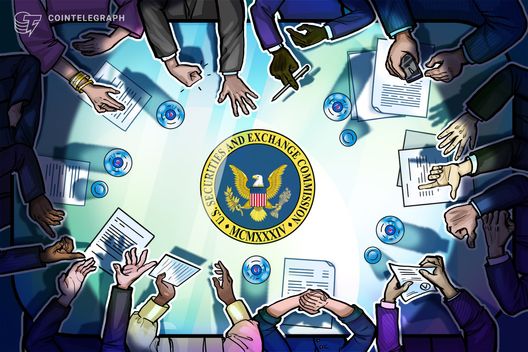
The Securities and Exchange Commission (SEC) is facing growing pressure to clarify its stance on self-custody and decentralized finance (DeFi) as new submissions regarding these topics flood the regulatory body. The submissions come at a crucial time, highlighting the urgent need for clear and comprehensive guidelines for the rapidly evolving crypto space.
Armstrong Calls for Compromise
Coinbase CEO Brian Armstrong has emerged as a vocal advocate for constructive dialogue and compromise, urging regulators to work with industry players to develop market structure legislation that fosters innovation while protecting consumers. Armstrong believes that a collaborative approach is essential to unlock the full potential of the digital asset market.
Navigating the Complexities of DeFi and Self-Custody
Self-custody, which empowers users to maintain direct control over their private keys and digital assets, presents unique challenges for regulators. Balancing the benefits of user autonomy with the need to prevent illicit activities requires careful consideration. Similarly, DeFi protocols, which operate without intermediaries, raise questions about regulatory jurisdiction and enforcement.
The Path Forward
The ongoing debate surrounding self-custody and DeFi regulation underscores the importance of finding a balance between fostering innovation and mitigating risks. As the SEC continues to evaluate the evolving crypto landscape, it is crucial that it engages with industry stakeholders, considers international best practices, and adopts a nuanced approach that promotes responsible innovation and protects investors.
Read Also Epochs