Okay, here is the crypto analyst article structured as requested, exploring the theme of blockchain ownership and access.
🔥 Key Takeaways
- The concept of individual sovereignty and control over one’s digital assets on the blockchain is paramount.
- Practical applications of cryptography, like private keys, directly impact the extent of control and security.
- Tradeoffs exist between absolute control (self-custody) and convenience of third-party services, requiring careful consideration of risks and benefits.
- Decentralized Identity (DID) and emerging access control mechanisms offer potential solutions for sharing controlled access without compromising ownership.
- Regulatory clarity is crucial for fostering trust and promoting responsible innovation in blockchain-based systems.
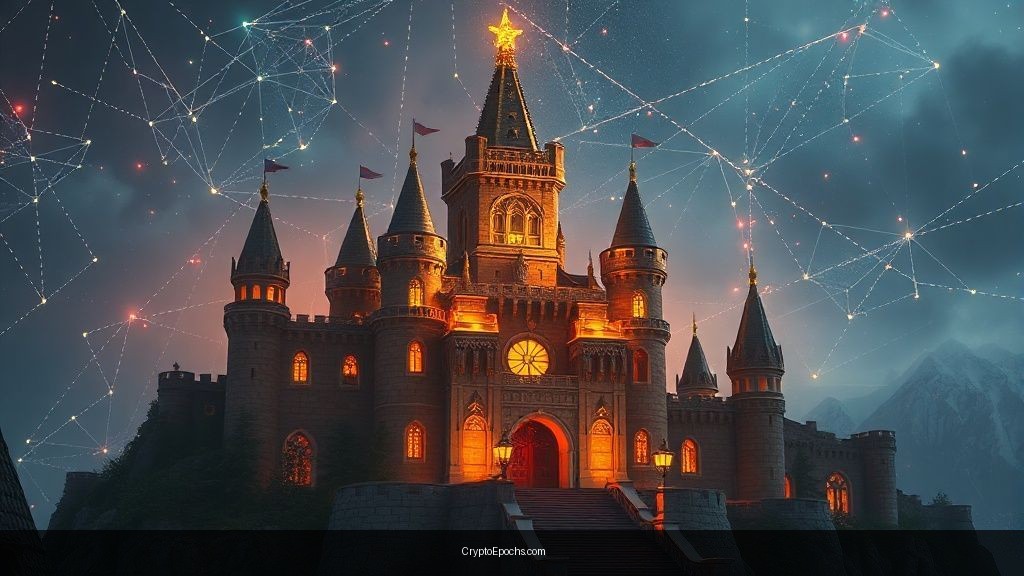
A Man’s Blockchain is His Castle: But Who Gets a Key to the Gate?
The rallying cry of crypto enthusiasts often echoes the sentiment: “A man’s blockchain is his castle.” This encapsulates the promise of self-sovereignty, the ability to control your digital assets without relying on centralized intermediaries. The core tenet is that through cryptographic keys, you, and only you, possess the power to unlock the treasures (digital assets) held within your blockchain address.
However, the reality is more nuanced. While the blockchain provides the infrastructure for individual control, the “key to the gate” – the private key – becomes the critical point of vulnerability. If lost, stolen, or compromised, the entire castle, its contents, and all its promises are forfeited. This inherent risk is why self-custody comes with significant responsibility. Secure storage, vigilant protection against phishing attacks, and understanding the implications of key management are essential for maintaining true ownership. For many, the burden of absolute control can be daunting, leading them to seek the assistance of centralized custodians like exchanges or wallets.
The Trade-Off: Convenience vs. Control
Using a centralized service offers convenience. They handle the complexities of key management, provide user-friendly interfaces, and often offer recovery options in case of forgotten passwords. However, this comes at the price of trusting a third party with your assets. The history of cryptocurrency is littered with examples of exchanges collapsing, being hacked, or engaging in fraudulent activities, leaving users with nothing. The saying “not your keys, not your coins” rings true in these scenarios. The question then becomes: how do we balance the desire for self-sovereignty with the practical needs of everyday users?
Decentralized Solutions for Shared Access
Emerging solutions are attempting to bridge this gap. Decentralized Identity (DID) technologies, multi-signature wallets, and role-based access control mechanisms are exploring ways to grant limited access to specific individuals or services without relinquishing complete control. Imagine the ability to grant a trusted family member access to your funds in case of an emergency, or enabling a smart contract to automatically manage certain transactions based on predefined rules. These innovations are paving the way for a more flexible and secure approach to blockchain ownership.
Furthermore, we see the evolution of Social Recovery Wallets which allow users to regain access to their assets if they lose their private keys but require a quorum of trusted individuals or “guardians” to approve the recovery process. This is a significant step towards making self-custody more accessible and less daunting for the average user.
The Role of Regulation
Finally, the regulatory landscape will play a crucial role in shaping the future of blockchain ownership. Clear and consistent regulations can foster trust in the ecosystem, encouraging responsible innovation and protecting users from fraud. Regulations should address issues such as custody, security standards, and dispute resolution mechanisms, providing a framework for both individuals and businesses to operate with confidence within the blockchain space. Ignoring these fundamentals will lead to the wild west that we need to avoid.
Disclaimer: This analysis is for informational purposes only and should not be considered financial advice. Cryptocurrency investments are inherently risky, and you should conduct your own research before making any investment decisions.
Read Also Epochs