🔥 Key Takeaways
- Bitcoin’s recent sideways price action has sparked debate within the community.
- Some believe the slump is linked to concerns about the potential impact of quantum computing on Bitcoin’s security.
- However, a significant portion of Bitcoiners are skeptical, dismissing quantum computing as the primary cause.
- Alternative explanations for the price stagnation are being explored, focusing on macroeconomic factors and market sentiment.
- The future impact of quantum computing on Bitcoin remains a topic of active research and discussion.
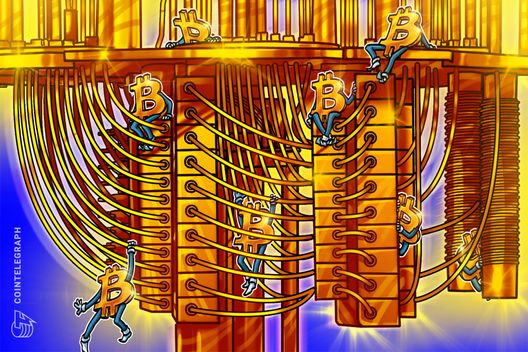
Bitcoin Price Stagnation: Quantum Computing to Blame? The Community is Divided
Bitcoin’s recent price performance has been less than stellar, leading to a flurry of speculation about the underlying causes. While macroeconomic headwinds and shifts in investor sentiment are typically cited, a more esoteric concern has entered the conversation: quantum computing. Some within the Bitcoin community are suggesting that growing anxieties about the potential for quantum computers to break Bitcoin’s cryptography are contributing to the current price slump.
The Quantum Computing Argument: A Threat to Bitcoin’s Security?
The argument centers around the theoretical ability of powerful quantum computers to crack the cryptographic algorithms that underpin Bitcoin’s security. Specifically, the elliptic curve cryptography (ECC) used to secure Bitcoin transactions could, in theory, be vulnerable to a sufficiently advanced quantum computer. This fear, proponents argue, is causing some investors to reduce their Bitcoin holdings or avoid entering the market altogether, contributing to the sideways price action.
Skepticism Within the Bitcoin Community: Other Factors at Play
However, a significant portion of the Bitcoin community remains highly skeptical of this explanation. These skeptics argue that the threat from quantum computing is still years, if not decades, away. They point to ongoing research and development into quantum-resistant cryptographic algorithms as a mitigating factor. Furthermore, they argue that Bitcoin could potentially be upgraded to incorporate these new algorithms before a quantum computer poses a real threat.
Looking Beyond Quantum Computing: Macroeconomics and Market Sentiment
Instead of quantum computing fears, many Bitcoiners attribute the price stagnation to more conventional factors. These include rising interest rates, inflationary pressures, and the overall risk-off sentiment prevailing in the global financial markets. Regulatory uncertainty surrounding cryptocurrencies and the continued fallout from previous crypto market collapses are also cited as contributing factors. Ultimately, the consensus among skeptics is that attributing the price slump solely to quantum computing fears is an oversimplification of a complex situation.
The Future of Bitcoin and Quantum Computing: A Continuing Debate
Regardless of whether it’s currently impacting the price, the potential threat of quantum computing to Bitcoin’s security is a valid concern that needs to be addressed. The Bitcoin community must continue to monitor advancements in quantum computing and actively research and implement quantum-resistant solutions. While the debate about its immediate impact on price is ongoing, proactive measures are essential to ensure Bitcoin’s long-term security and resilience.
Read Also Epochs