🔥 Key Takeaways
- Ethereum (ETH) price has dipped below $3,000, falling below its 2026 opening price.
- ETH staking activity is at an all-time high.
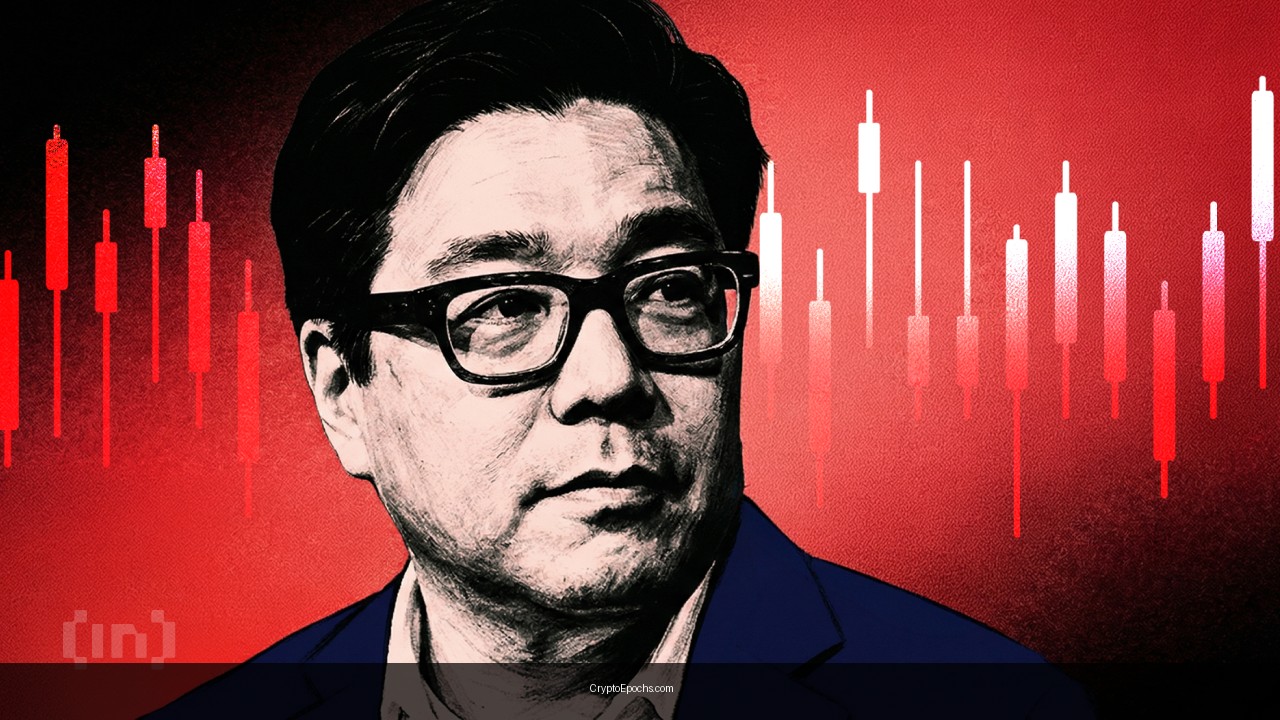
- BitMine (BMNR), a NYSE-listed company led by CEO Tom Lee, is aggressively accumulating and staking ETH.
- The central question: Is BitMine’s activity a positive catalyst for ETH or does it pose a significant risk?
BitMine’s Ethereum Staking: A Double-Edged Sword?
Ethereum’s recent price struggles, dipping below the $3,000 mark and even falling under its 2026 opening price, have sparked concern among investors. However, amidst this price volatility, ETH staking activity has surged, reaching unprecedented levels. One company, BitMine (BMNR), a NYSE-listed entity led by CEO Tom Lee, is making headlines for its aggressive accumulation and staking of Ethereum.
A Potential Catalyst for Growth
BitMine’s significant investment in ETH staking could act as a powerful catalyst for the Ethereum network. Increased staking participation generally strengthens network security and stability. By locking up a substantial amount of ETH, BitMine reduces the circulating supply, potentially creating upward pressure on the price. Furthermore, BitMine’s involvement could attract more institutional investors to the Ethereum ecosystem, further validating its long-term potential.
The Risks of Centralization
However, the concentration of ETH staking power in the hands of a single entity like BitMine also presents potential risks. A large staker could exert undue influence over network governance and consensus decisions. This centralization could undermine the decentralized ethos of Ethereum and potentially make the network more vulnerable to censorship or manipulation. Also, the financial health and operational integrity of BitMine becomes increasingly important to the health of the Ethereum network. Any mismanagement or failure on BitMine’s part could have wider repercussions.
The Path Forward
Ultimately, whether BitMine’s Ethereum staking activities prove to be a net positive or a significant risk for ETH remains to be seen. Monitoring the company’s governance practices, its impact on network decentralization, and the overall health of the Ethereum ecosystem will be crucial in determining the long-term consequences of this development. Investors should carefully weigh the potential benefits of increased staking activity against the risks of centralization before making investment decisions.
Read Also Epochs