🔥 Key Takeaways
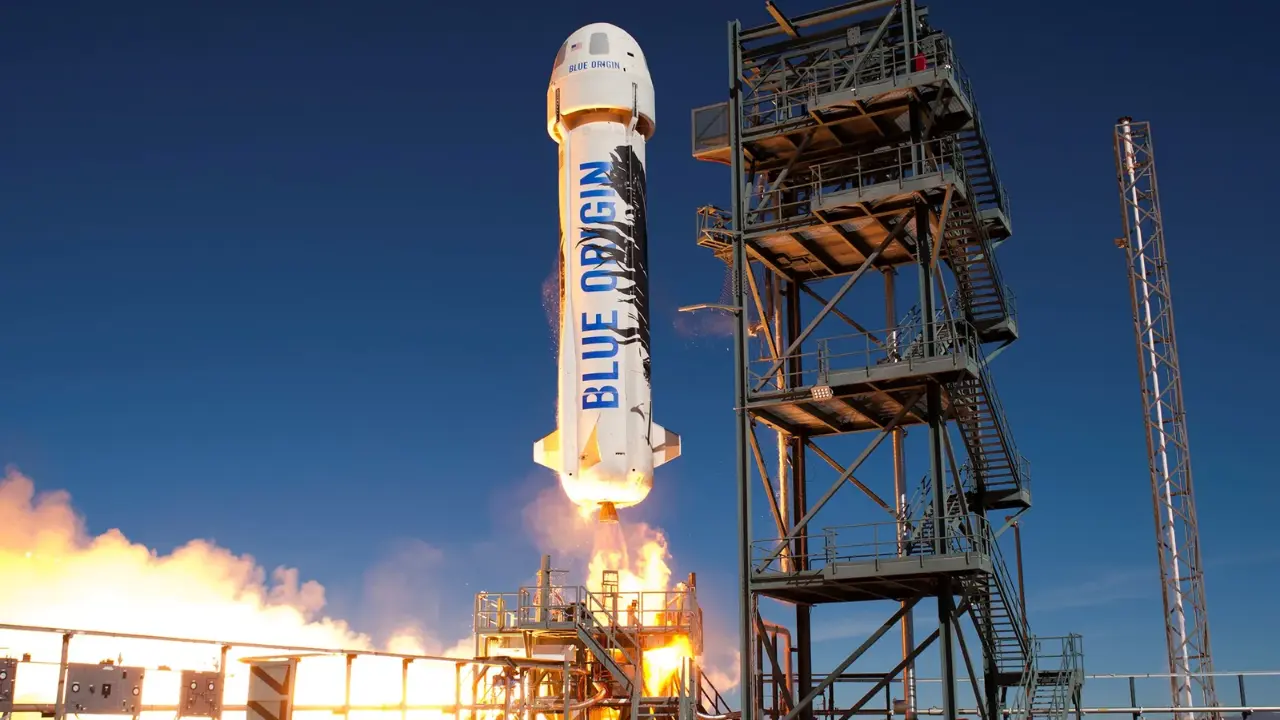
- Blue Origin is entering the space data center market, directly competing with SpaceX.
- Both companies are enhancing their technological capabilities for space-based AI.
- The outcome of this competition could revolutionize data processing and accessibility.
The ‘Why It Matters’
The emergence of Blue Origin as a competitor to SpaceX in the realm of space-based data centers signifies a pivotal shift in both the aerospace and technology sectors. As these companies vie for dominance, the implications extend beyond mere commercial competition. The ability to harness AI in space for processing vast amounts of data could lead to unprecedented advancements in various fields, including telecommunications, Earth observation, and even climate science. The race to deploy advanced data centers in low Earth orbit (LEO) will not only catalyze innovation but also redefine the operational frameworks of satellite communication and data storage.
The Competitive Landscape
For years, SpaceX has led the charge in private aerospace initiatives, focusing on cost-effective satellite launches and expanding its satellite internet service, Starlink. However, with Blue Origin’s recent announcement to develop technology for space-based data centers, the competitive landscape is evolving. This technology could potentially allow data processing to occur closer to its source, significantly reducing latency and bandwidth costs.
Moreover, Blue Origin has been quietly developing this capability for over a year, indicating a strategic move to diversify its offerings beyond launch services. The competition is not merely about building and launching rockets; it is about creating a comprehensive infrastructure that can support the next generation of AI applications in space.
Technological Implications
Both companies are exploring the AI integration into their satellite networks. SpaceX’s ambitions to upgrade its satellites aim to enhance their capacity for data handling and processing. Conversely, Blue Origin’s focus on launching data centers into space suggests a broader vision where AI can analyze data in real-time, potentially leading to faster decision-making processes in fields ranging from agriculture to disaster response.
The implications of this technological race are profound. As data becomes the new oil, the ability to process and analyze it in space could unlock new applications and services. For example, real-time monitoring of environmental changes from space could be vastly improved, leading to better climate models and disaster management tools.
The Future of Space-Based AI
As we move forward, the potential for synergy between space exploration and AI technologies seems limitless. The competition between Blue Origin and SpaceX will likely spur rapid advancements in these sectors. Investors and stakeholders in the cryptocurrency and tech industries should closely monitor this development, as the eventual winner could redefine how we interact with data, driving innovations that may also permeate into blockchain technologies and decentralized networks.
In conclusion, the battle for supremacy in the space-based AI arena could usher in a new era of technological advancement, with profound implications for various industries. The race between Blue Origin and SpaceX is not just about rockets; it’s about who will lead us into the future of data processing in space.
Read Also Epochs