🔥 Key Takeaways
The Implications of Political Interference in Monetary Policy
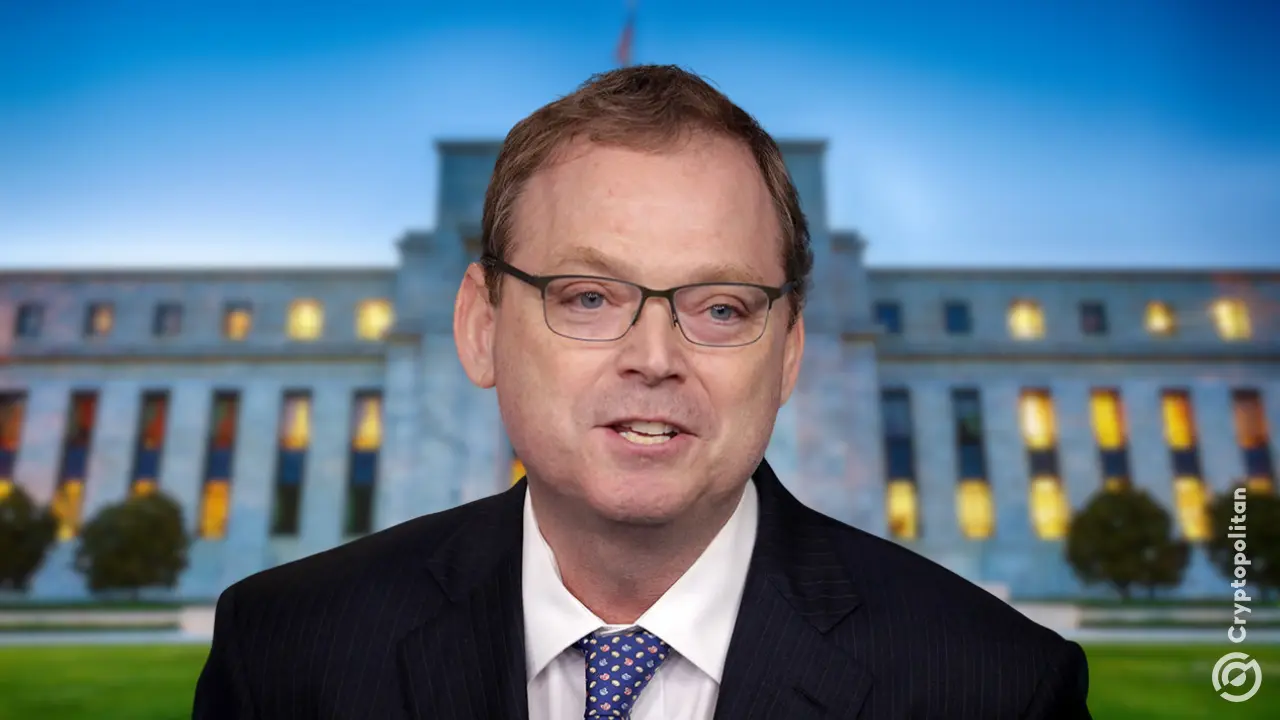
The recent warning from bond investors directed at Scott Bessent regarding the potential nomination of Kevin Hassett as Federal Reserve Chair is a significant indicator of growing unease within financial markets. Investors are increasingly apprehensive that Hassett, should he assume the role, might prioritize political pressures—particularly those aligned with former President Donald Trump—over traditional economic indicators. This sentiment raises critical questions about the integrity of monetary policy and its independence from political machinations.
Why It Matters
The implications of a politically influenced Federal Reserve are profound. If Hassett were to adopt a more aggressive stance on interest rate cuts to align with political objectives, it could lead to a surge in inflation and erode the credibility of the Fed. Inflationary pressures typically lead to higher yields on bonds as investors demand compensation for the declining purchasing power of future cash flows. As a result, the bond market could experience significant volatility, impacting not just government securities but also corporate bonds and other fixed-income instruments. The debt market thrives on predictability; any hint of political intervention could spook investors, leading to a broader sell-off and increased borrowing costs.
Market Reactions and Future Outlook
In light of these concerns, market participants are likely to adopt a cautious posture. If bond investors perceive a shift toward a politically motivated monetary policy, they may re-evaluate their investment strategies, potentially reallocating assets to hedge against rising yields. This could result in a fragmentation of the debt market, where segments become increasingly disconnected based on their perceived risk of political influence. Moreover, the Federal Reserve’s capacity to effectively manage economic cycles may be compromised, leading to financial instability in the long term.
The situation demands close monitoring as the nomination process unfolds. Investors will be keenly analyzing not just Hassett’s proposals but also the broader political landscape and its impact on the Federal Reserve’s independence. A delicate balance must be struck to maintain investor confidence while also fulfilling the necessary economic mandates of the Fed. The outcome will undoubtedly shape the trajectory of both the debt markets and the broader economy.
Read Also Epochs