🔥 Key Takeaways
The ‘Why It Matters’
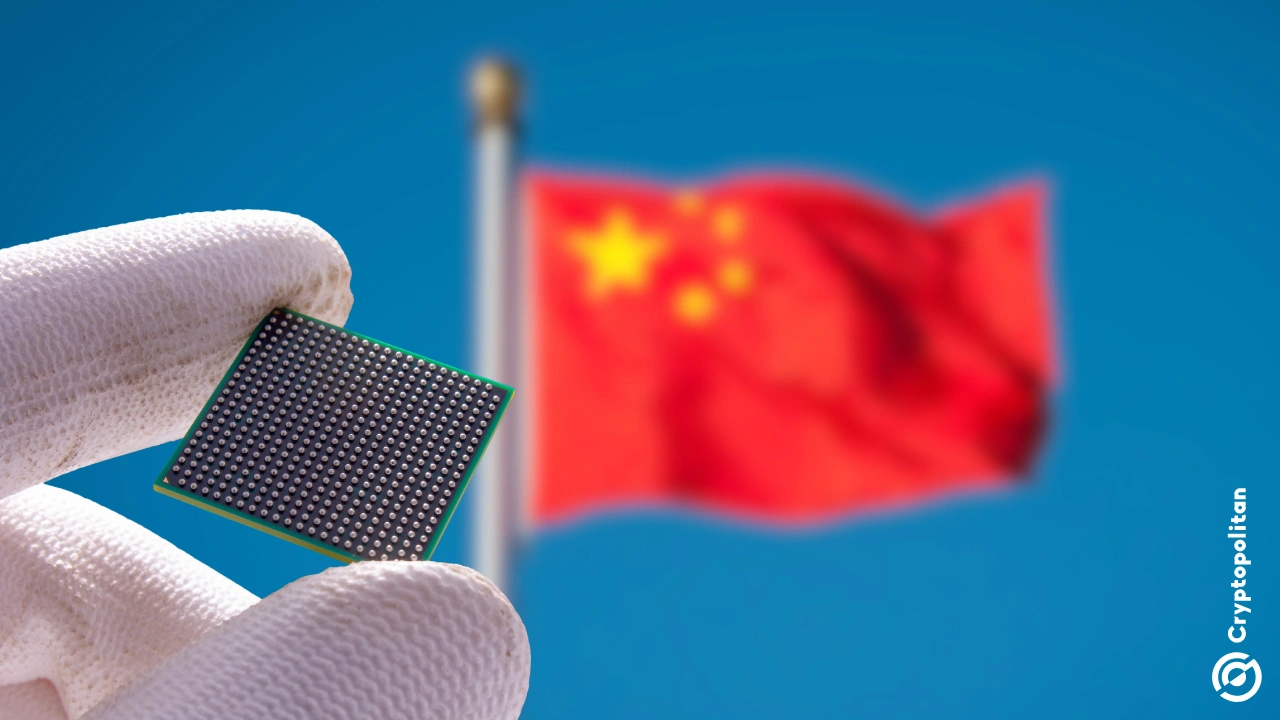
China’s recent directive to its public institutions to exclusively use domestically produced AI chips represents a significant shift in the geopolitical landscape of technology. By prioritizing home-grown solutions, the Chinese government aims to bolster its self-sufficiency in critical technology sectors while simultaneously reducing its reliance on foreign suppliers, particularly from the United States. This move could have profound implications for global semiconductor markets and the broader AI landscape.
Implications for the Semiconductor Market
The decision to exclude Nvidia’s products from state-run institutions is particularly notable given the timing of Donald Trump’s limited clearance for exports of the H200 processors. This juxtaposition highlights the increasing complexities in US-China relations and the tech war that continues to shape the global semiconductor industry. By opting for domestic chips, China is sending a clear message: it is willing to invest in its own technological capabilities, even in the face of potential sanctions or trade barriers.
The implications for Nvidia are immediate and significant. As one of the leading suppliers of AI chips globally, the loss of access to China’s vast market could adversely affect the company’s revenue streams and its overall market position. Furthermore, this could prompt Nvidia and other foreign chipmakers to reconsider their strategies in dealing with the Chinese market, potentially leading to a recalibration of partnerships and investments.
The Rise of Domestic Alternatives
With the spotlight now firmly on domestic chip manufacturers, companies like Huawei stand to benefit greatly. Huawei’s advancements in chip technology may receive a further boost as the government channels resources and support towards local firms. This could accelerate the development of competitive alternatives to Nvidia’s offerings and enhance China’s position in the global tech ecosystem.
Additionally, this shift towards local chips may inspire other nations facing similar geopolitical pressures to adopt similar strategies, further fragmenting the global semiconductor supply chain. Countries like India and those in Southeast Asia might look to ramp up their own domestic chip production capabilities, seeking to reduce dependence on both US and Chinese technologies.
Looking Ahead
As we move forward, the landscape for AI and semiconductor technology will undoubtedly be reshaped by these developments. The dual forces of geopolitical tensions and technological self-sufficiency are likely to spur a new wave of innovation as nations strive to secure their positions in the global market. Investors and stakeholders in the crypto and tech sectors should closely monitor these developments, as they could have far-reaching consequences for market dynamics and investment strategies.
In conclusion, China’s directive is not just about chips; it is a strategic maneuver that underscores the lengths to which countries will go to protect and advance their technological interests. As the situation unfolds, the implications for the cryptocurrency market, particularly in terms of mining and AI-driven applications, will be crucial to watch.
Read Also Epochs