🔥 Key Takeaways
- China’s government is prioritizing domestic AI chips in a strategic shift to bolster local semiconductor production.
- This move is a direct response to U.S. export controls and aims to reduce reliance on American technology.
- The procurement of homegrown AI chips reflects China’s broader ambitions in the global semiconductor race.
The ‘Why It Matters’
The inclusion of domestic AI chips in China’s official procurement list represents a pivotal moment for the country’s tech landscape. This strategic decision is not merely about enhancing technological independence but is also a calculated response to increasing U.S. export controls. By fostering local semiconductor production, China aims to mitigate risks associated with supply chain vulnerabilities and geopolitical tensions. This shift could have far-reaching implications for global technology markets, particularly in the semiconductor and AI sectors.
China’s Strategic Shift
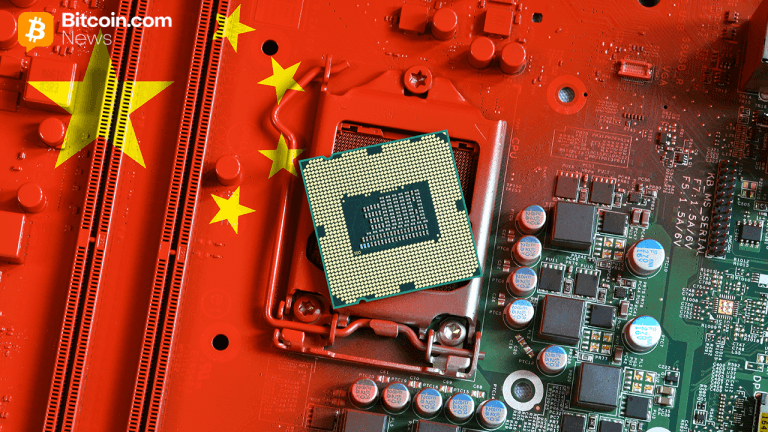
For the first time, China has formally integrated homegrown AI chips into its government procurement agenda. This initiative reflects Beijing’s commitment to fortifying its semiconductor capabilities and signifies a departure from its historical dependence on foreign technologies, particularly from the United States. The U.S. has imposed stringent export controls aimed at curtailing China’s access to advanced semiconductor technologies, pushing China to accelerate its domestic production capabilities.
The implications of this move are multifaceted. By prioritizing domestic AI chips, China seeks to build a resilient semiconductor supply chain that is insulated from external pressures. This is crucial for sustaining its ambitions in AI and other high-tech industries. The procurement of these chips is not just a defensive maneuver; it is an aggressive strategy to assert dominance in the global semiconductor arena.
Global Market Dynamics
The ripple effects of China’s procurement strategy are likely to influence the global semiconductor market significantly. With Nvidia and other U.S. chip manufacturers facing potential market share losses, the competitive landscape will evolve. As China enhances its semiconductor capabilities, it may also drive innovation in AI chip design and manufacturing, ultimately challenging Western companies that have long dominated this space.
Moreover, this development could spur further investment in the Chinese tech ecosystem, as local firms may seek to capitalize on government support. The increased focus on domestic AI chips might catalyze a wave of innovation and competition within China, potentially leading to breakthroughs that could shift the balance of power in the global technology sector.
Conclusion
China’s strategic embrace of domestic AI chips marks a significant turning point in its technological landscape. As the nation seeks to reduce dependency on foreign technology and cultivate its semiconductor industry, the implications for the global market will be profound. Stakeholders must remain vigilant as this scenario unfolds, keeping a close eye on how these developments will reshape the competitive dynamics in the semiconductor and AI industries.
Read more on Reuters | Explore further insights from Forbes
Read Also Epochs