🔥 Key Takeaways
- Venezuela’s economy increasingly relies on an informal peer-to-peer crypto ecosystem.
- Heightened tensions with the U.S. may lead to greater sanctions risks associated with cryptocurrency use.
- The situation presents both challenges and opportunities for investors and policymakers.
Understanding Venezuela’s Crypto Economy
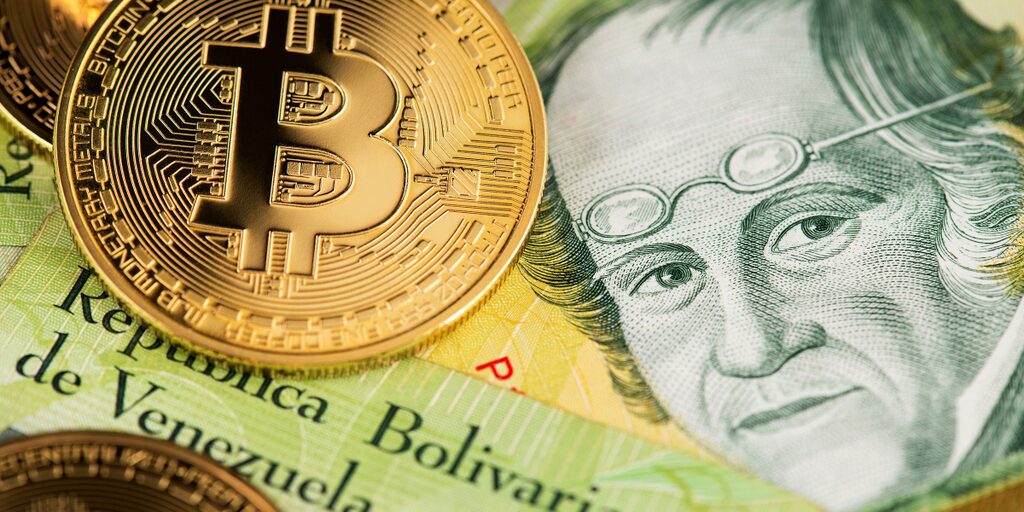
Venezuela’s economy, burdened by hyperinflation and years of economic mismanagement, has turned to cryptocurrencies as a lifeline. As outlined in a recent report by TRM Labs, an informal peer-to-peer crypto economy has become central to daily transactions and economic survival for many Venezuelans. The adoption of cryptocurrencies like Bitcoin and Ethereum serves not only as a medium of exchange but also as a store of value in a country where the national currency is rapidly depreciating.
The Role of Cryptocurrencies Amid Sanction Risks
The increasing use of cryptocurrencies in Venezuela occurs in a complex geopolitical landscape, especially as tensions rise between the U.S. and Venezuela. The U.S. has implemented strict sanctions aimed at the Venezuelan government, targeting its oil exports and financial systems. This creates a unique scenario where cryptocurrencies are not just a financial tool but also a potential avenue for evading these sanctions. As Venezuela continues to embrace digital currencies, it poses significant risks for individuals and businesses involved in the crypto space, raising questions about compliance and regulatory scrutiny.
Implications for Investors and Policymakers
The intertwining of cryptocurrencies with Venezuela’s economy presents both challenges and opportunities. For investors, understanding the dynamics of this informal crypto economy could unlock avenues for engagement, especially as the demand for decentralized financial solutions grows in regions facing economic turmoil. However, the potential for regulatory backlash looms large, as the U.S. and other nations may tighten the screws on crypto transactions associated with sanctioned countries.
For policymakers, the rise of cryptocurrencies in Venezuela underscores the need to rethink regulatory frameworks. The situation calls for a nuanced approach that balances innovation with oversight to mitigate risks associated with money laundering and funding of illicit activities. As the crypto landscape evolves, so too must the strategies employed by governments to ensure they remain effective in a rapidly changing world.
Conclusion
As Venezuela becomes a case study in the intersection of cryptocurrency and economic survival, it is crucial for market participants to closely monitor developments. The implications of a peer-to-peer crypto economy are vast, ranging from investment opportunities to challenges in regulatory compliance. With President Trump’s administration ramping up tensions with Venezuela, the evolving role of cryptocurrencies could very well shape the future of financial interactions within and beyond its borders.
Read Also Epochs