🔥 Key Takeaways
- Citadel’s stance against DeFi raises concerns over regulatory pressures.
- The potential collaboration with the World Federation of Exchanges could reshape market dynamics.
- Legislative implications may hinder DeFi innovation and accessibility.
The Current Landscape of DeFi and Institutional Pressure
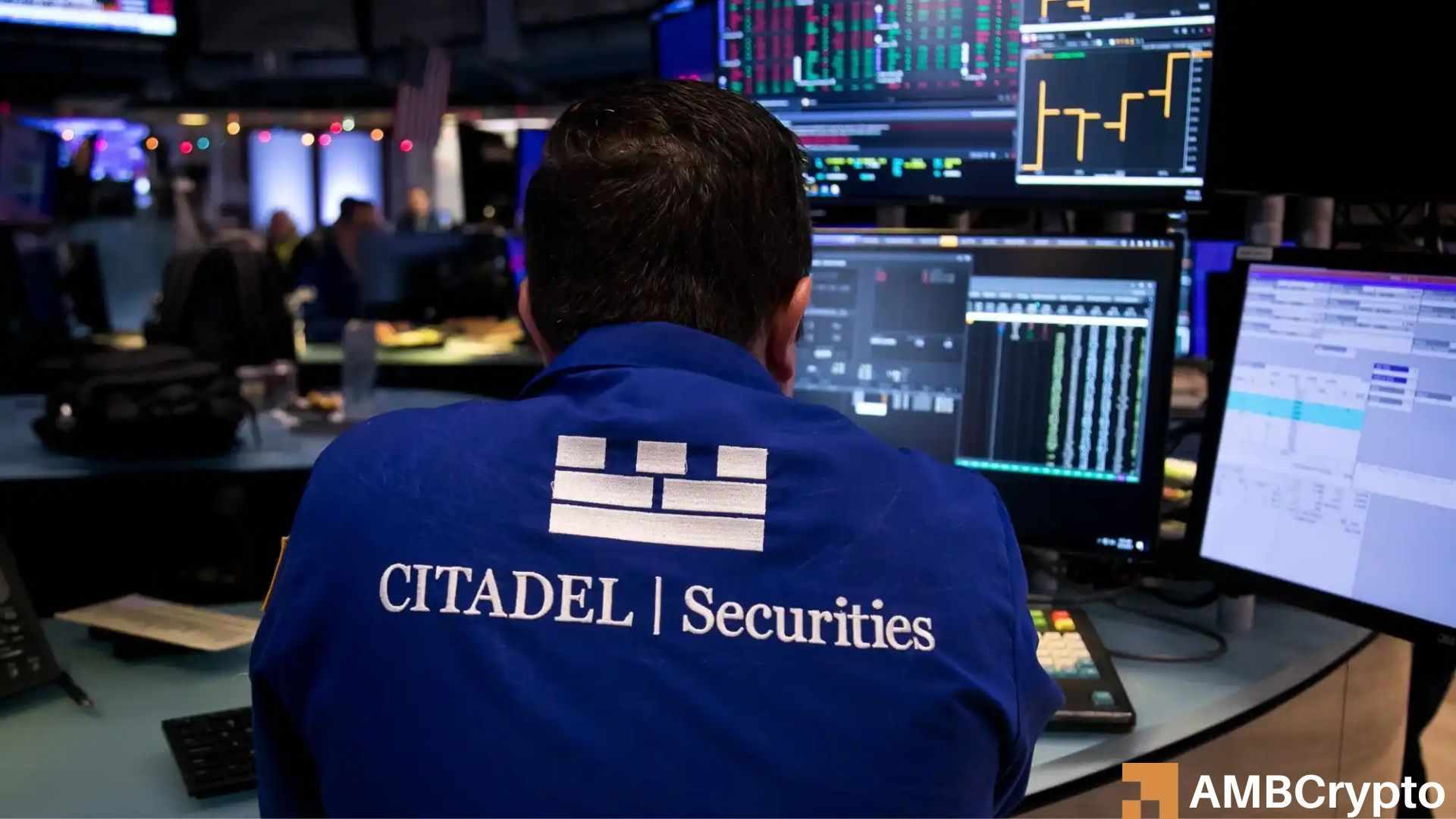
In recent developments, Citadel Securities has adopted a strong anti-DeFi position, stirring significant controversy within the decentralized finance community. This new stance by one of the largest financial institutions in the world poses critical questions regarding the future of DeFi and the regulatory landscape that surrounds it. Citadel’s actions, especially its partnership with the World Federation of Exchanges, signal a potential alliance aimed at exerting pressure on legislators to impose stringent regulations on decentralized finance platforms.
The Implications of Citadel’s Stance
Why It Matters – The implications of Citadel’s position are far-reaching. As DeFi continues to grow, attracting a diverse user base and billions in assets, any regulatory actions driven by institutional giants can have a profound effect on innovation and market accessibility. Should legislation lean towards restrictive measures, it could stifle the very essence of DeFi, which thrives on the principles of autonomy and decentralization.
Furthermore, Citadel’s influence may lead to a framework that favors traditional finance institutions over emerging DeFi platforms, potentially creating an uneven playing field. As policymakers deliberate on the future of financial technologies, the tug-of-war between traditional finance and DeFi continues to intensify.
Market Reactions and Future Outlook
The immediate market reaction to Citadel’s declaration has been one of uncertainty. Many investors and DeFi enthusiasts are concerned that heightened scrutiny and potential regulatory frameworks may curb the growth potential of DeFi protocols. However, this could also catalyze a period of introspection within the DeFi community, pushing developers to innovate responsibly, ensuring compliance while preserving core principles.
Moreover, it is crucial to consider how this situation unfolds in the broader context of regulatory evolution. As discussions around digital asset regulation gain momentum globally, the outcome of these debates will likely shape the future landscape of both traditional finance and DeFi. Should the DeFi sector successfully lobby against overly restrictive regulations, it may pave the way for a more harmonious coexistence with traditional financial systems.
In conclusion, the interplay between Citadel’s anti-DeFi rhetoric and evolving regulations will undoubtedly be a critical focal point for stakeholders in the crypto space. The outcome may well determine whether DeFi becomes an integral part of the financial ecosystem or is sidelined by regulatory hurdles imposed by established financial entities.
Read Also Epochs