🔥 Key Takeaways
- The global crypto landscape is experiencing significant shifts, particularly in the U.S. and Asia.
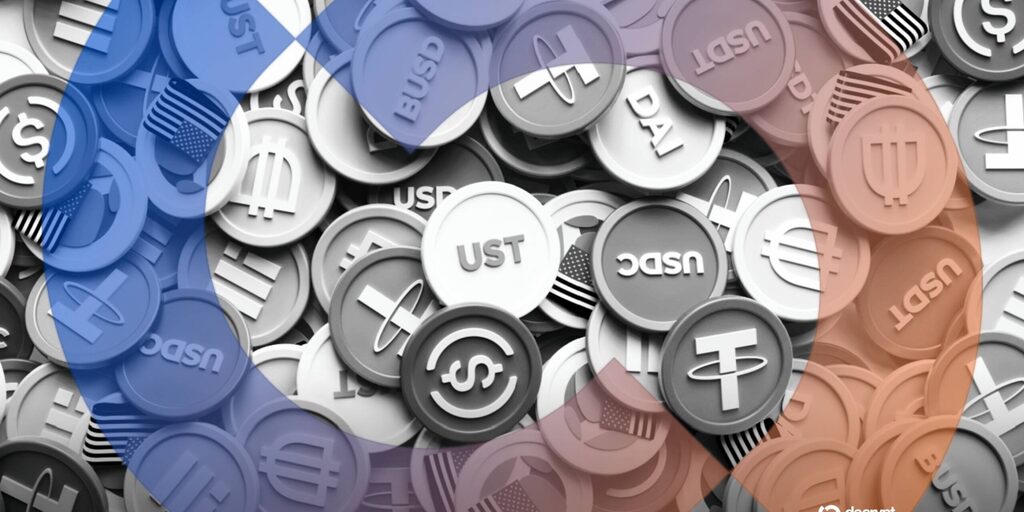
- Stablecoin adoption is growing rapidly, becoming a focal point for regulatory frameworks.
- Asian and Middle Eastern markets are emerging as key players in the crypto innovation space.
The ‘Why It Matters’
The recent insights from Elliptic underscore a pivotal transition within the global cryptocurrency ecosystem. As traditional banking institutions grapple with the need to adapt, the rise of stablecoins and regulatory advancements in Asia and the Middle East are reshaping how cryptocurrencies are perceived and utilized. This transformation is not just a trend; it signals a fundamental shift in financial paradigms, where innovation, compliance, and user adoption are converging to redefine the future of money.
The Shifts in the U.S. and Beyond
The U.S. is witnessing a distinct change as financial institutions begin to embrace crypto technologies. Banks are increasingly integrating blockchain solutions and collaborating with crypto startups to remain competitive. This pivot towards innovation is essential, as it positions these institutions to leverage the efficiencies and capabilities offered by the digital asset space. However, this shift also raises questions about regulatory compliance and the need for clearer frameworks to govern these activities.
In contrast, stablecoins are gaining traction as a viable alternative to traditional fiat currencies. Their ability to provide stability in value while facilitating transactions has made them attractive to users and businesses alike. As noted by Elliptic, the push for broader adoption of stablecoins is creating opportunities for enhanced regulatory clarity, which can further legitimize their use in the financial ecosystem.
APAC and Middle Eastern Regulatory Momentum
The regulatory landscape in Asia and the Middle East is evolving rapidly, with governments actively seeking to create conducive environments for crypto innovation. Countries like Singapore and the UAE are leading the charge by implementing proactive regulations that foster growth while ensuring consumer protection. This regulatory momentum not only attracts investment but also establishes these regions as hubs for crypto activity.
As Asian markets embrace digital currencies, they are setting the stage for a new era of financial services that may rival traditional systems. The collaboration between governments and the private sector in these regions is a crucial element that could drive sustainable growth and innovation in the crypto space.
Conclusion
As we move forward, the global cryptocurrency market will likely continue to evolve with these emerging trends. The combination of stablecoin adoption, regulatory clarity, and the active participation of banks will play a significant role in shaping the future landscape. For investors and stakeholders, staying informed about these developments is vital, as they may present both opportunities and challenges in the ever-changing world of digital assets.
For further reading, consider exploring resources from [CoinDesk](https://www.coindesk.com) and [CoinTelegraph](https://www.cointelegraph.com).
Read Also Epochs