🔥 Key Takeaways
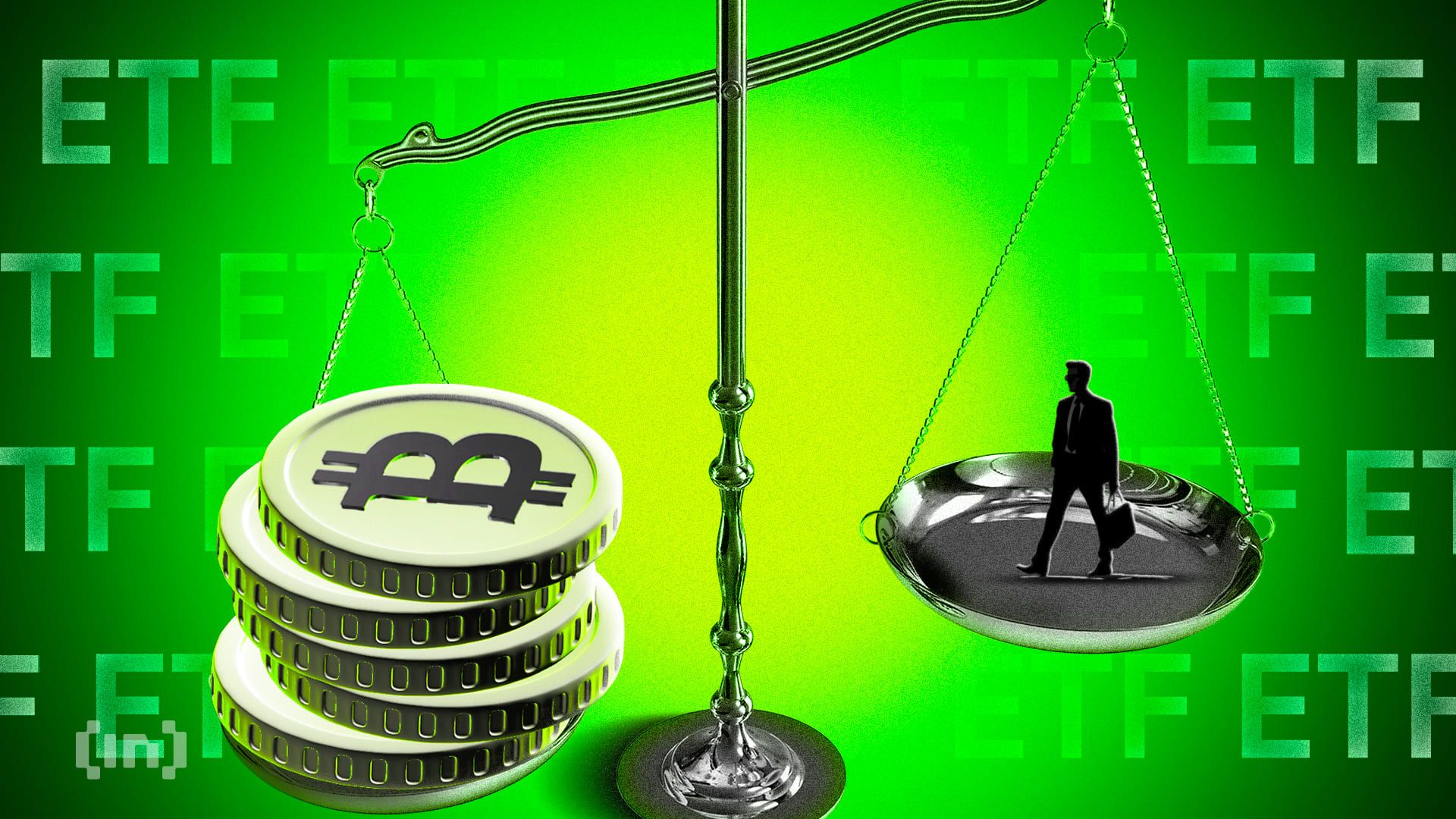
- The debate on Bitcoin custody highlights a clash between traditional ETF models and the ethos of self-sovereignty.
- Industry figures advocate for a dual strategy that balances the convenience of ETFs with the principles of self-custody.
- The outcome of this discourse could significantly influence Bitcoin’s mainstream adoption and regulatory landscape.
Understanding the Clash: ETFs vs. Self-Custody
The ongoing debate surrounding Bitcoin custody has escalated, drawing attention from industry veterans and investors alike. This discourse primarily focuses on the future role of Exchange-Traded Funds (ETFs) in the Bitcoin ecosystem and the implications for individual sovereignty. With prominent voices like Fred Krueger and Nick Szabo advocating for a multifaceted approach, the conversation reflects deeper philosophical questions about Bitcoin’s purpose and the principles of self-custody.
The Case for Dual Strategy
Nick Szabo’s proposal for a dual strategy emerges as a practical solution amidst this ideological divide. It suggests that while ETFs can serve as a vehicle for mainstream adoption, they should not overshadow the importance of individual control over one’s assets. Krueger’s endorsement of this viewpoint underscores a growing recognition that self-custody is not merely a technical choice but a fundamental principle of the Bitcoin ethos.
ETFs have the potential to lower the barrier to entry for traditional investors, providing a regulated and familiar environment for those hesitant to engage with cryptocurrencies directly. However, the question remains: can the convenience offered by ETFs coexist with the core tenets of Bitcoin that advocate for decentralization and personal sovereignty?
Why It Matters
The outcome of this debate carries significant implications for the future of Bitcoin. If ETFs become the dominant means of exposure, there is a risk that the ethos of self-sovereignty may be compromised. Conversely, a strong advocacy for self-custody could foster a more engaged and educated user base that understands the risks and responsibilities associated with Bitcoin ownership. This discourse will likely influence regulatory decisions, shaping the landscape for Bitcoin as it seeks to achieve mainstream adoption.
As the crypto market continues to evolve, the balance between convenience and the fundamental principles of Bitcoin will be crucial in determining its trajectory. Investors and stakeholders must remain vigilant, ensuring that the growth of Bitcoin does not come at the expense of its foundational values.
Read Also Epochs