🔥 Key Takeaways
- Twenty One Capital (XXI) debuted on the NYSE but faced a significant initial decline of nearly 20%.
- The firm positions itself as a leader in corporate Bitcoin holdings, being the third-largest globally.
- Investors are critically assessing the viability of its Bitcoin treasury model amidst broader market volatility.
Introduction to Twenty One Capital’s NYSE Listing
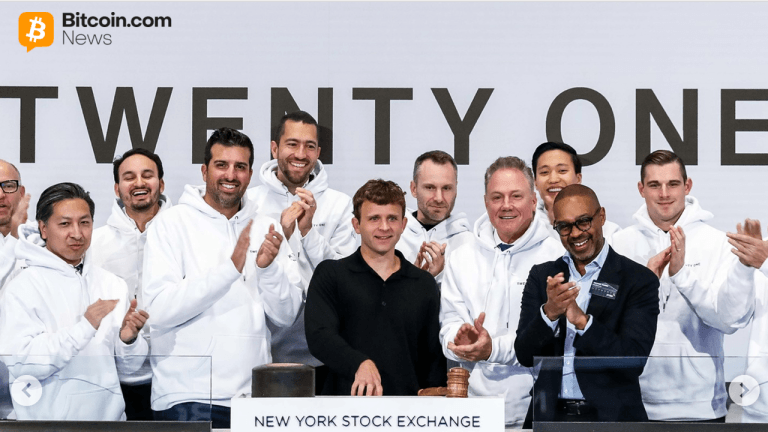
Twenty One Capital made waves by entering the New York Stock Exchange under the ticker symbol XXI, marking a pivotal moment for the firm that claims the title of the world’s third-largest corporate holder of Bitcoin. However, its debut was far from triumphant, as the stock plummeted by nearly 20% on the first trading day, raising questions about investor confidence and the sustainability of its Bitcoin treasury model.
Understanding the Bitcoin Treasury Model
The Bitcoin treasury model, which Twenty One Capital is pioneering, involves corporations accumulating and holding Bitcoin as part of their balance sheets. This strategy can serve as a hedge against inflation and currency devaluation, but it also comes with significant risks, especially given the volatile nature of cryptocurrency markets. As Bitcoin prices fluctuate, the asset’s valuation can swing dramatically, impacting not only the company’s financial health but also investor perceptions.
The recent market turbulence has made this model particularly scrutinized. Investors are weighing the potential benefits against the inherent risks. The question on everyone’s mind is whether holding Bitcoin as a corporate asset is a prudent strategy or a speculative gamble.
Why It Matters
The performance of Twenty One Capital’s stock is not just an isolated event but a reflection of broader trends within the cryptocurrency and corporate finance landscapes. As more companies explore the integration of digital assets into their financial strategies, the outcomes of such ventures will inform future corporate policies. The decline in XXI’s stock could serve as a cautionary tale for others considering similar paths, emphasizing the need for comprehensive risk assessments and strategic planning.
Additionally, the market’s reaction to XXI’s debut may influence regulatory discussions surrounding corporate cryptocurrency holdings. If large corporations are seen to struggle with these investments, it could prompt lawmakers to enact stricter regulations, thereby affecting the entire crypto ecosystem.
Market Sentiment and Future Outlook
Investor sentiment appears cautious, driven by a combination of factors including broader market volatility and uncertainty surrounding regulatory frameworks. As digital assets continue to gain traction in mainstream finance, companies like Twenty One Capital must navigate these complexities carefully. The future trajectory of XXI will depend on its ability to demonstrate the effectiveness of its treasury model, particularly in creating value for shareholders amidst fluctuating Bitcoin prices.
In conclusion, while the initial performance of Twenty One Capital on the NYSE may raise red flags, it also presents an opportunity for learning and adaptation. Stakeholders in the cryptocurrency market will be watching closely to see how XXI recalibrates its strategy in response to investor feedback and market conditions.
For more insights on corporate Bitcoin holdings and market analysis, you can refer to [CoinDesk](https://www.coindesk.com) and [Bloomberg](https://www.bloomberg.com).
Read Also Epochs