🔥 Key Takeaways
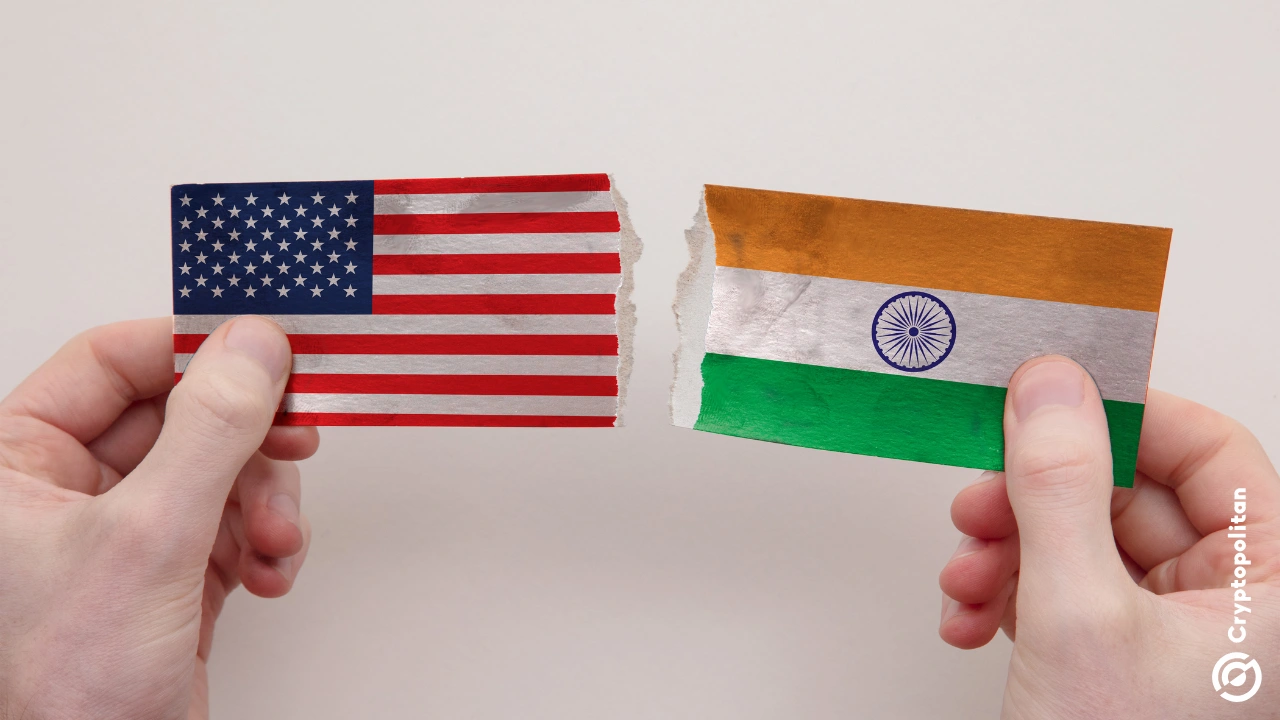
- India and the US are in trade talks aimed at finalizing a long-delayed trade pact.
- Reduction of 50% import levies could significantly enhance trade dynamics.
- These negotiations reflect broader geopolitical and economic trends affecting emerging markets.
The ‘Why It Matters’
The resumption of trade talks between India and the United States is crucial not only for the two nations involved but also for the global economic landscape. As both countries seek to finalize a long-delayed trade pact, the potential reduction of import tariffs could serve as a catalyst for a more robust bilateral relationship. This development could enhance India’s export capabilities and strengthen its position as a significant player in the global supply chain. Furthermore, the negotiations are taking place against the backdrop of increasing geopolitical tensions and economic uncertainty, making the outcomes particularly impactful for emerging markets and global trade dynamics.
Understanding the Context
The trade discussions in New Delhi represent a concerted effort by both India and the US to address longstanding trade issues that have hampered economic collaboration. The existing 50% import levies on various goods have acted as barriers, limiting the flow of trade between these two major economies. By negotiating these tariffs, both nations aim to foster a more favorable trading environment, which could lead to increased investment opportunities and economic growth.
Moreover, these talks come at a time when countries are increasingly looking to diversify their trade partnerships amid the shifting sands of global trade relations. For India, strengthening ties with the US is essential not only for economic reasons but also for enhancing its geopolitical influence in the region. The outcome of these negotiations could also impact other emerging markets, as successful trade agreements often set precedents that other nations may seek to follow.
Future Implications
If the trade talks culminate in a successful agreement, the implications for the Indian economy could be profound. A reduction in tariffs would likely lead to an increase in exports, providing a much-needed boost to Indian manufacturers and exporters. This could also improve investor sentiment, attracting foreign direct investment (FDI) into India’s burgeoning sectors, including technology and manufacturing.
On a broader scale, a successful trade agreement between India and the US could signal a shift towards a more interconnected global economy, where emerging markets play a pivotal role. It would also highlight the importance of bilateral negotiations in navigating the complexities of global trade, particularly as nations continue to grapple with challenges posed by protectionism and economic nationalism.
In conclusion, the ongoing trade talks between India and the US not only represent a significant opportunity for both nations but also underscore the evolving dynamics of global trade. Stakeholders in various sectors should closely monitor these developments, as they are likely to influence market conditions and investment strategies in the near future.
For further details on international trade agreements, visit [the World Trade Organization](https://www.wto.org) or [the Office of the United States Trade Representative](https://ustr.gov).
Read Also Epochs