🔥 Key Takeaways
- Italy’s Consob mandates VASPs to secure CASP approval by December 30, 2025, or cease operations.
- The new MiCAR regulations aim to enhance consumer protection and regulatory clarity in the digital asset space.
- Non-compliant operators must return user assets, raising concerns about the future of unauthorized VASPs.
Understanding the MiCAR Regulatory Shift in Italy
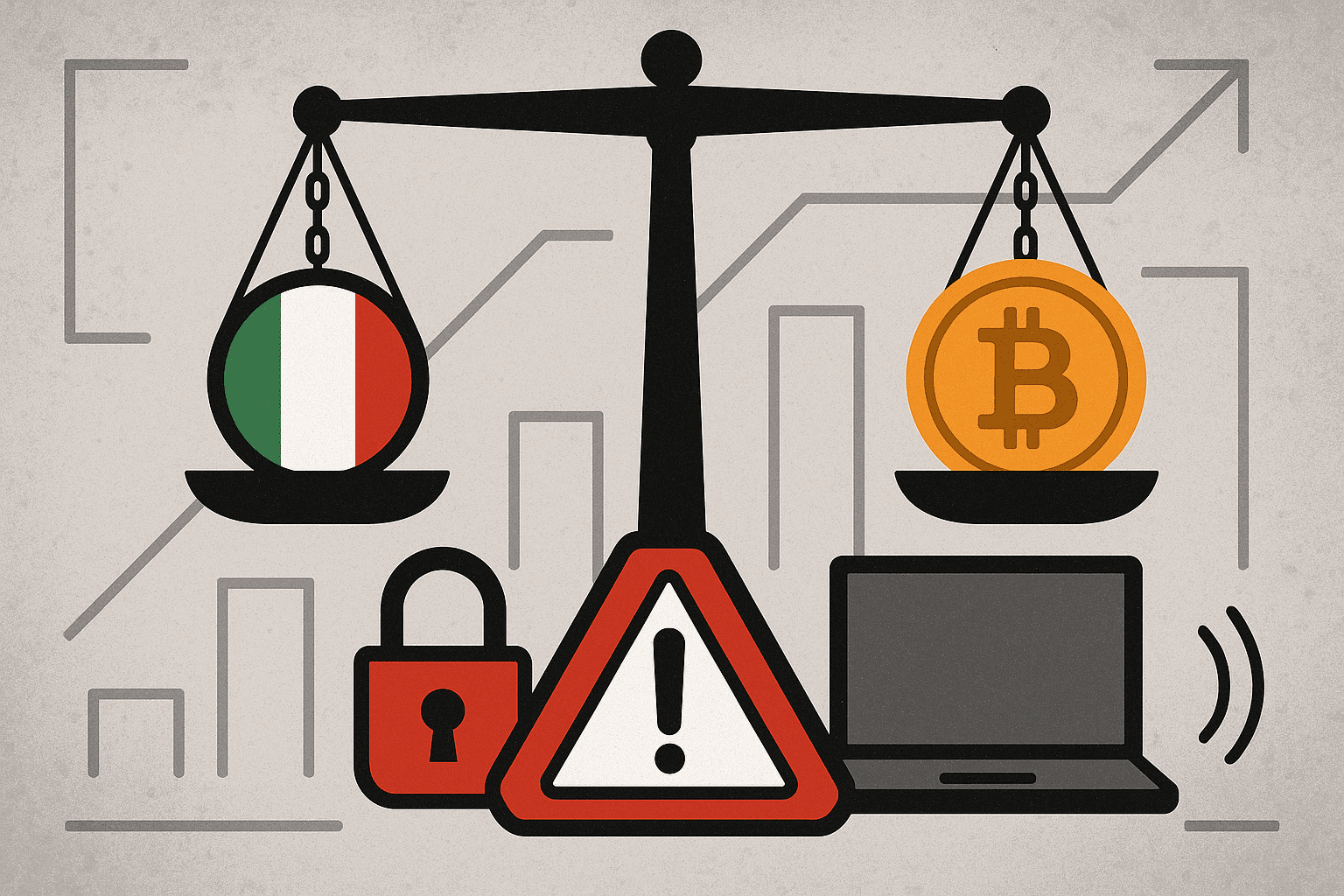
As the European Union moves towards a more structured and comprehensive regulatory framework for cryptocurrencies and digital assets, Italy is making significant strides by enforcing compliance among Virtual Asset Service Providers (VASPs). The recent directive from Consob, Italy’s financial regulatory authority, requires all non-compliant VASPs to either obtain the necessary CASP (Crypto Asset Service Provider) approval by December 30, 2025, or exit the market. This directive signals a pivotal shift in the Italian regulatory landscape, aligning with the broader implementation of the Markets in Crypto-Assets Regulation (MiCAR).
The ‘Why It Matters’ Section
This regulatory move has profound implications for both investors and operators in the crypto ecosystem. For investors, the mandate provides a layer of assurance that the platforms they engage with adhere to defined standards of operation, thereby mitigating risks associated with fraud and mismanagement. On the other hand, for existing VASPs, the requirement to comply with MiCAR regulations presents both challenges and opportunities. While some may be forced to withdraw from the market, others could benefit from the increased trust and legitimacy that compliance brings.
The Road Ahead for VASPs
The urgency of Consob’s call to action cannot be understated, especially given the impending deadline. Operators who fail to align with the new regulations face the daunting task of ceasing operations and returning user assets—a process that could lead to significant upheaval within the sector. For compliant VASPs, this represents a chance to capture market share from their non-compliant counterparts, fostering a more stable and trustworthy environment for digital asset transactions.
Moreover, the adoption of MiCAR is indicative of a broader trend toward regulatory harmonization across Europe. As other EU member states prepare to implement similar frameworks, Italy’s actions may serve as a bellwether for future regulatory developments in the region. Stakeholders should closely monitor these developments, as they will likely influence market dynamics and investor sentiment in the months to come.
In conclusion, Italy’s proactive stance on regulatory compliance reflects a growing recognition of the need for oversight in the rapidly evolving crypto landscape. The coming years will be critical for VASPs as they navigate this new regulatory environment, and those who adapt quickly will likely emerge as leaders in a more structured marketplace.
Read Also Epochs