🔥 Key Takeaways
- Russian officials highlight crypto mining as a significant economic factor.
- Mining activities are perceived as a ‘hidden export’ affecting ruble valuations.
- This perspective could reshape international economic strategies and ruble forecasts.
Understanding the Economic Implications of Crypto Mining in Russia
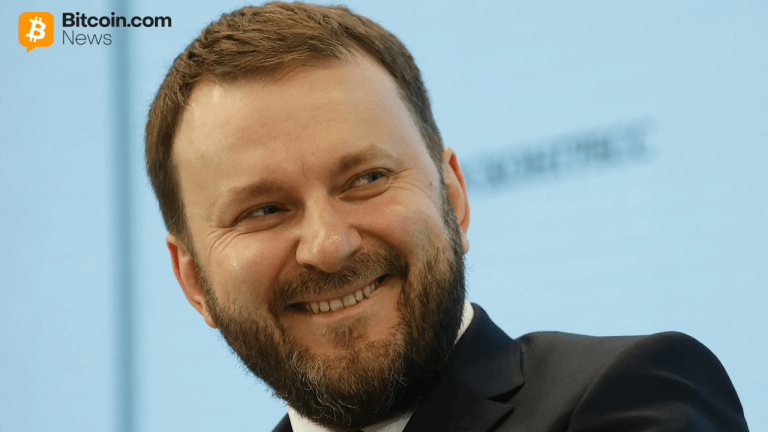
In a remarkable statement, Maxim Oreshkin, a prominent aide to President Vladimir Putin, has brought attention to the often-overlooked role of cryptocurrency mining in Russia’s economy. Labeling it a “hidden export,” Oreshkin suggests that the burgeoning crypto mining sector is distorting ruble exchange rate forecasts, which could have profound implications for both domestic and international economic strategies.
The Hidden Influence of Crypto Mining
Oreshkin’s remarks underscore a critical aspect of the Russian economy: the interplay between traditional exports and emerging digital assets. The notion that crypto mining represents a “new, undervalued export item” points to a significant shift in how economic value is generated and perceived. As Russia is endowed with vast natural resources and cheap electricity, it has become an attractive destination for mining operations, leading to substantial inflows of capital that are not fully accounted for in conventional economic models.
Why It Matters
The implications of recognizing crypto mining as a hidden export are multifaceted. Firstly, it suggests a reevaluation of economic forecasts, particularly those related to the ruble. By underestimating the impact of this sector, analysts may misjudge the currency’s strength and stability. Furthermore, as global demand for cryptocurrencies rises, the Russian government could leverage this opportunity to enhance its economic standing, potentially leading to a reconfiguration of trade relationships and currency valuation metrics.
Potential Future Developments
As the global economic landscape evolves, the importance of digital assets will likely grow. Russia’s acknowledgment of its crypto mining sector could set a precedent for other nations grappling with similar issues. This shift may not only influence domestic policy but could also affect international perceptions of the ruble, driving demand for the currency as a potential medium for cross-border transactions. Moreover, it opens the door for regulatory discussions on how to best integrate cryptocurrency activities into the broader economy without stifling innovation.
In summary, Maxim Oreshkin’s comments highlight an emerging paradigm in economic analysis where digital assets, particularly through mining, are becoming a critical component of national economic health. As Russia positions itself as a leader in the global crypto mining industry, the implications for ruble valuations and international economic relations could be significant, warranting close observation from market participants and policymakers alike.
Read Also Epochs