🔥 Key Takeaways
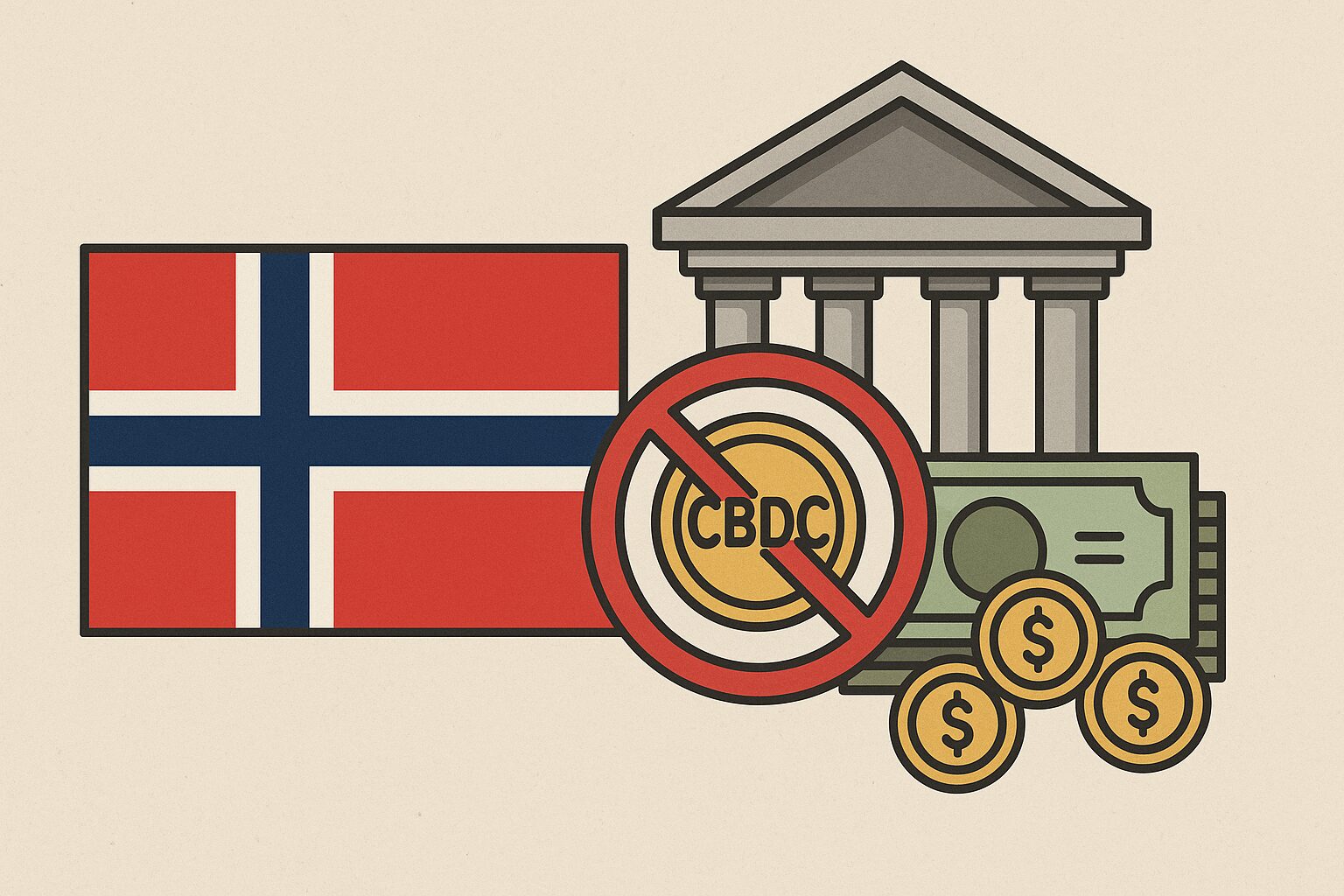
- Norway halts CBDC development, citing a secure and efficient existing payment system.
- Norges Bank will continue to study CBDCs while shifting focus to tokenization tests.
- Global trends in digital currency will be closely monitored for future implications.
Understanding Norway’s Decision to Pause CBDC Development
In a significant move that reflects both pragmatism and caution, Norway has decided to pause its plans for a Central Bank Digital Currency (CBDC). The decision stems from an assessment by the Norges Bank, which concluded that the current payment system remains both secure and efficient for the country’s needs. This pause invites a deeper examination of the evolving landscape of digital currencies and the implications for future financial systems.
Why It Matters
This decision from Norway underscores a critical point in the global discourse on CBDCs: the necessity of evaluating whether the benefits of a digital currency outweigh the risks and complications it may introduce. As countries globally rush to adopt digital currencies, Norway’s cautious approach allows for a thoughtful assessment of technological advancements and consumer behavior. The Norges Bank’s commitment to studying both retail and wholesale CBDCs indicates that while immediate action has been paused, the door remains open for future exploration.
The Broader Context: A Global Perspective
The pause in Norway’s CBDC plans is occurring amidst a wave of interest in digital currencies worldwide. Central banks from various nations, including China and the European Union, are actively developing their digital currencies, driven by the need for modernization and financial inclusion. Norway’s decision to focus on tokenization tests while monitoring these global movements suggests a strategy that prioritizes innovation without immediate commitment. Tokenization, the process of converting rights to an asset into a digital token, could pave the way for new financial products and services, potentially revolutionizing existing systems.
Furthermore, Norway’s decision serves as a reminder that the effectiveness of existing payment infrastructures should not be overlooked. The country has a robust payment ecosystem that has adapted to technological changes, making it less urgent to transition to a CBDC. This perspective may resonate with other nations that have yet to implement similar digital frameworks, particularly in regions where traditional banking is already efficient.
Looking Ahead: The Future of Digital Currencies in Norway
While the decision to pause CBDC exploration is significant, it does not signal a complete abandonment of the concept. Norges Bank’s ongoing research into the evolution of payment habits indicates a preparedness to adapt to future needs. As consumer behaviors evolve and new technologies emerge, the dialogue around digital currencies will likely intensify, and Norway’s approach may evolve accordingly. The central bank’s focus on tokenization tests may not only enhance its understanding of digital currencies but could also position Norway as a leader in the next wave of financial innovation.
In conclusion, Norway’s cautious stance on CBDCs reflects a broader trend of prudent evaluation in the face of rapid technological change. As nations navigate the complexities of digital finance, Norway’s decision may serve as a model for balancing innovation with existing system strengths.
Read Also Epochs