🔥 Key Takeaways
Understanding the OCC’s Findings on Banking Practices
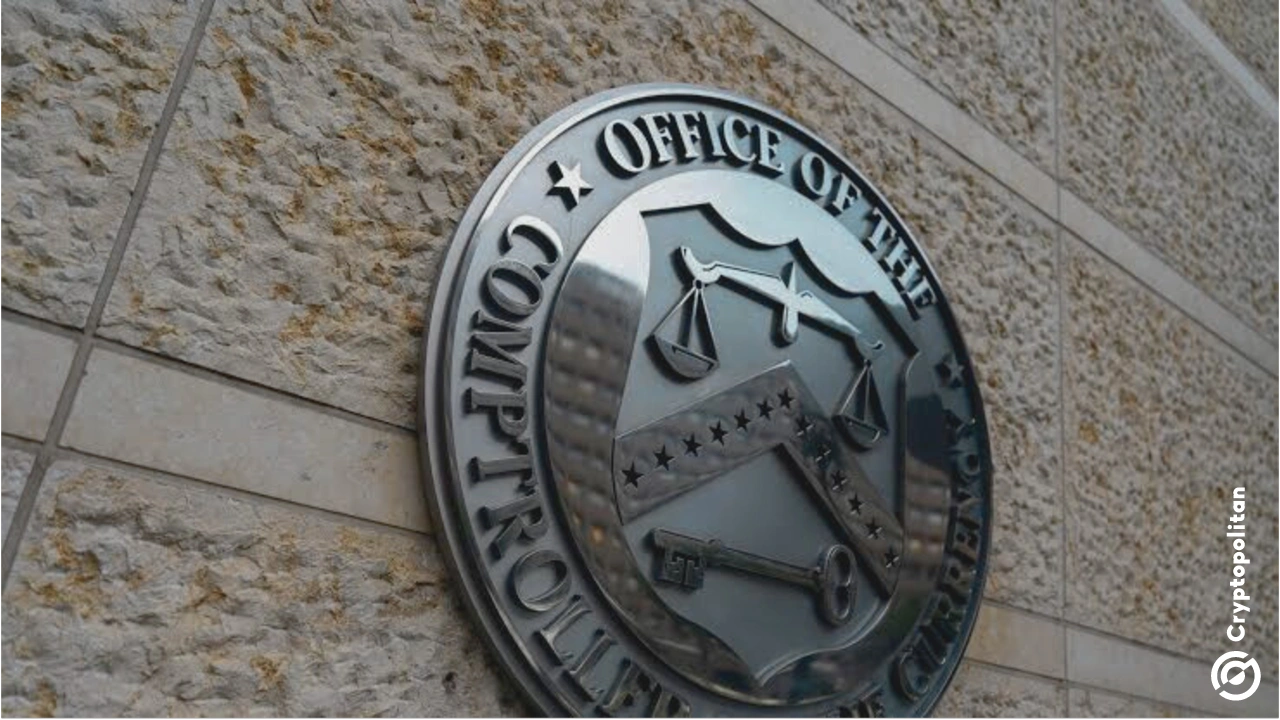
The recent report from the Office of the Comptroller of the Currency (OCC) has unveiled critical insights into the banking industry, revealing that nine of America’s largest banks engaged in practices that limited access to banking services for certain customers between 2020 and 2023. This revelation, marking the first public acknowledgment of such practices, has drawn attention to what former President Donald Trump characterized as “debanking.” The implications of these findings extend beyond traditional banking, potentially impacting the cryptocurrency sector and its interactions with the banking system.
Why It Matters
The implications of the OCC’s findings are profound. By exposing the discriminatory practices of major banks, the report raises questions about the fairness and inclusivity of financial services in the U.S. For the cryptocurrency market, these developments could signify a critical juncture. Many crypto projects and businesses rely on banking relationships to facilitate transactions and build credibility. The potential for increased scrutiny and regulatory pressure on banks may lead to a more cautious approach to providing services to crypto-related entities. Furthermore, if banks continue to restrict services based on arbitrary distinctions, it could push more businesses and individuals toward decentralized financial solutions, enhancing the appeal of cryptocurrencies as an alternative.
The Ripple Effects on the Crypto Ecosystem
As the OCC’s findings circulate through the financial landscape, we can anticipate several ripple effects within the crypto ecosystem. First, as traditional banks grapple with their reputations and regulatory scrutiny, there may be a shift in how they approach partnerships with crypto companies. Banks may become more reluctant to engage with the sector, fearing backlash or further regulatory intervention.
Second, this situation may accelerate the development of decentralized finance (DeFi) solutions, as individuals and businesses seek alternatives to traditional banking systems that may be perceived as exclusionary. With the growing popularity of DeFi, the cryptocurrency market could see increased adoption as users look for platforms that offer greater access and fewer barriers.
Lastly, the OCC’s report could influence future legislation aimed at ensuring fair access to banking services. As regulatory bodies address these issues, we may see a more defined legal framework that protects various sectors from discriminatory practices, which could foster a more inclusive financial landscape overall.
Conclusion
The OCC’s findings have brought to light crucial issues within the banking sector that merit close attention from all stakeholders, particularly in the cryptocurrency market. As the landscape evolves, it will be essential for crypto companies to remain agile and responsive to the changing regulatory environment while exploring opportunities for collaboration with financial institutions that prioritize inclusivity. The future may hold a new paradigm where both traditional finance and cryptocurrency can coexist, but only if both sectors address these challenges head-on.
Read Also Epochs