🔥 Key Takeaways
The Rise of Crypto Banking in the Philippines
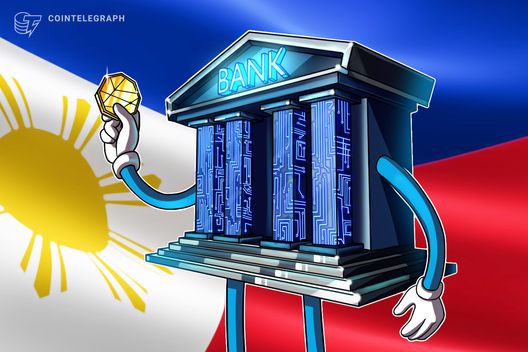
The recent announcement that the Philippines’ fastest-growing digital bank is rolling out cryptocurrency services marks a pivotal moment in the country’s financial ecosystem. By integrating digital assets such as Bitcoin (BTC), Ethereum (ETH), and Solana (SOL) into its offerings, the bank is aligning itself with global trends towards digital finance. This integration, facilitated by a partnership with US fintech firm Alpaca, enhances the bank’s service portfolio, catering to an increasingly tech-savvy population eager to engage with crypto markets.
Why It Matters
This development is significant for several reasons. First, it highlights the growing acceptance of cryptocurrency in traditional finance sectors, demonstrating a shift away from skepticism towards integration. This move not only allows consumers to trade cryptocurrencies easily but also educates them on digital assets, ultimately fostering greater adoption.
Moreover, the partnership with Alpaca—a known player in the fintech space—underscores the potential for cross-border collaboration in the financial services industry. As more institutions recognize the value of digital currencies, we may see a wave of similar initiatives in Southeast Asia and beyond. This is likely to enhance financial inclusion, particularly in regions where traditional banking services are limited.
Future Implications for the Market
The introduction of crypto services by a major digital bank in the Philippines could catalyze further innovations in the region’s financial landscape. It may prompt regulatory bodies to establish clearer frameworks for cryptocurrencies, balancing the need for innovation with consumer protection. Furthermore, this could pave the way for other financial institutions to follow suit, creating a more robust and diversified market for digital assets.
Investors and stakeholders in the crypto space should keep a close eye on how this initiative unfolds, as it could serve as a case study for successful integration of digital currencies within traditional banking infrastructures. In a market characterized by volatility, the ability of consumers to navigate these waters with the support of established institutions could lead to a more stable adoption curve.
In conclusion, the launch of crypto services by the Philippines’ digital bank is not merely a trend but a potential revolution in how financial services are delivered in emerging markets. As this sector continues to evolve, the implications for both consumers and investors will be profound, offering new opportunities and challenges alike.
Read Also Epochs