🔥 Key Takeaways
The Implications of the Fed’s Treasury Bill Purchase Plans
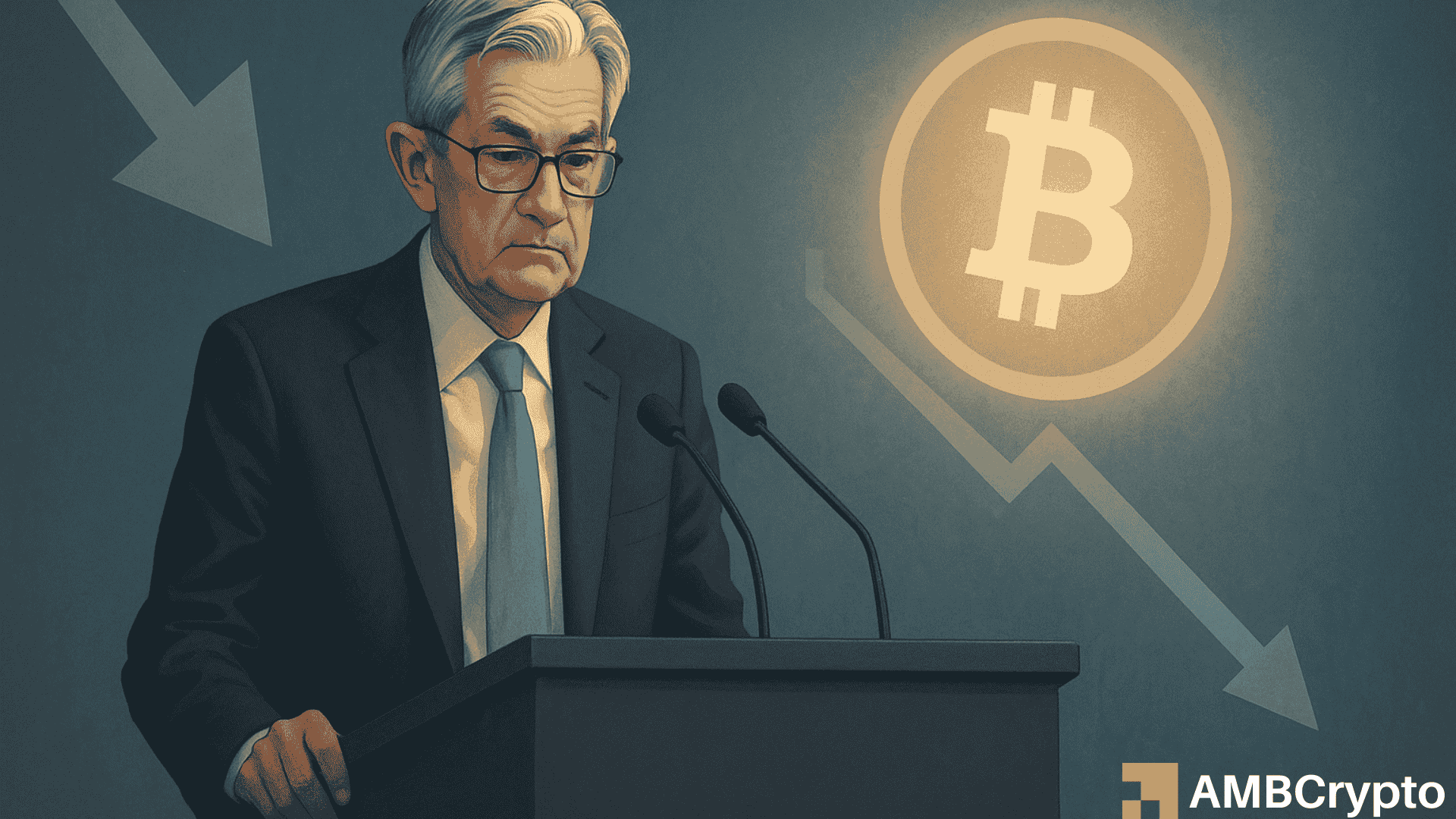
In a recent press conference, Federal Reserve Chairman Jerome Powell unveiled plans for the Fed to purchase $40 billion in Treasury bills, marking a significant shift in the central bank’s monetary policy approach. This announcement comes in conjunction with the Fed’s first rate cut of the cycle, suggesting a proactive response to emerging economic indicators, particularly concerning labor market vulnerabilities.
Why It Matters
The implications of the Fed’s actions are far-reaching, not just for the U.S. economy but also for global financial markets, including the cryptocurrency sector. The infusion of liquidity through the purchase of Treasury bills is likely to have a cascading effect, as lower interest rates generally encourage riskier asset investment, including digital currencies. Moreover, Powell’s acknowledgment of labor market risks could signal an environment conducive to inflation, prompting further shifts in investor behavior towards assets perceived as inflation hedges, such as Bitcoin and other cryptocurrencies.
The Broader Economic Context
Powell’s comments reflect a cautious yet responsive stance from the Fed, as economic data increasingly point toward stress in the labor market. By implementing rate cuts and increasing liquidity through Treasury bill purchases, the Fed aims to stimulate economic activity while mitigating the potential negative impacts of job market fluctuations. This dual approach is critical as it seeks to strike a balance between fostering growth and maintaining price stability.
As the Fed navigates these economic challenges, the impact on the crypto market could be profound. Historically, when traditional markets experience volatility or downturns, investors often pivot towards alternative assets. The current economic climate, characterized by an uncertain labor market and accommodative monetary policy, may further fuel interest in cryptocurrencies as a store of value.
In conclusion, as the Federal Reserve embarks on this new phase of monetary policy, both traditional and digital asset markets will be closely monitoring the outcomes. Investors should remain vigilant, as shifts in monetary policy can lead to significant price movements across various asset classes, including cryptocurrencies. The interplay between Federal Reserve actions and market responses will be a critical narrative to follow in the coming months.
Read Also Epochs