🔥 Key Takeaways
- Russian cybercrime generates significant illicit profits, often converted to cryptocurrencies.
- Current legal frameworks struggle to address the confiscation of digital assets.
- Increased regulation could shape the future of crypto usage and enforcement in Russia.
The Growing Concern of Cybercrime and Cryptocurrency in Russia
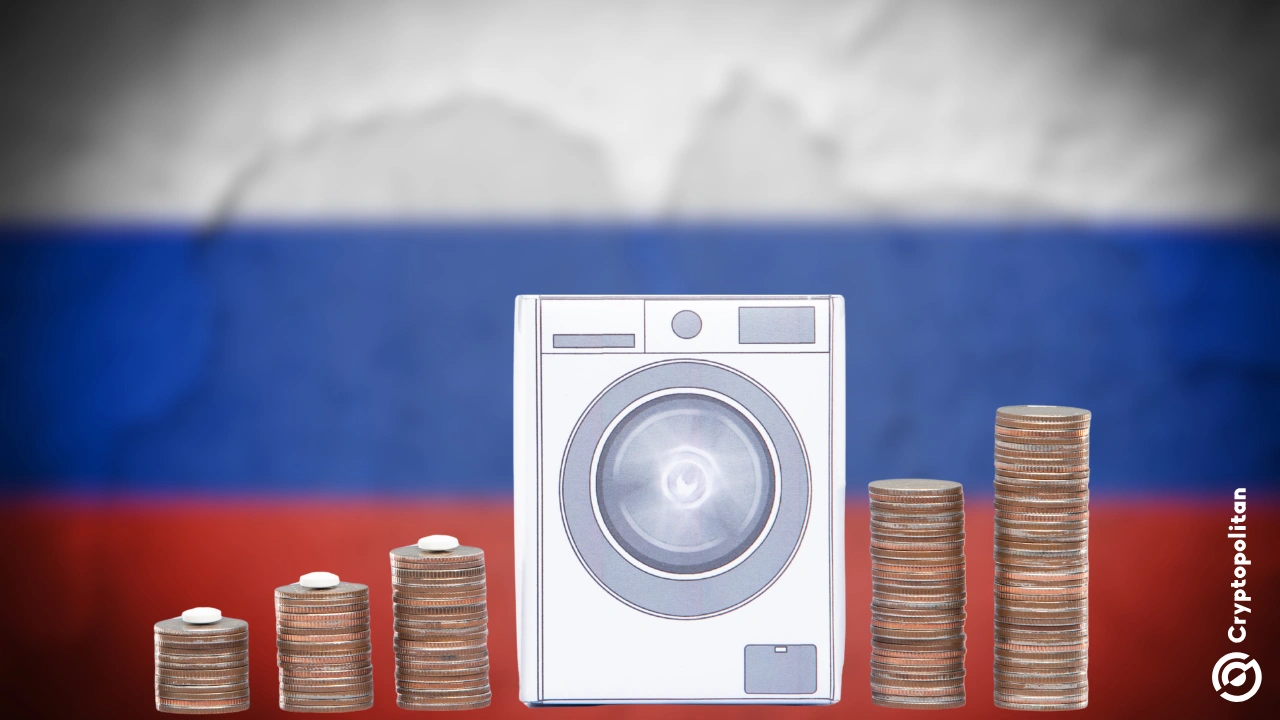
The convergence of cybercrime and cryptocurrency is a burgeoning concern in Russia, as indicated by recent statements from Evgeny Masharov, a prominent figure in a public institution advising the government on regulatory frameworks. His remarks shed light on a troubling reality: a substantial portion of the profits acquired through cybercriminal activities is funneled into cryptocurrencies, making them increasingly difficult for authorities to trace and confiscate.
The Legal Landscape and Its Implications
Despite the absence of robust legislation defining the confiscation process for digital currencies, Masharov asserts that law enforcement should be empowered to seize these assets. This assertion underscores a much-needed dialogue regarding the existing legal frameworks within which cryptocurrencies operate in Russia. The lack of clear laws not only hampers law enforcement’s ability to combat cybercrime effectively but also creates a breeding ground for fraudulent activities, as criminals exploit the anonymity and decentralized nature of digital currencies.
Why It Matters
The implications of this scenario extend beyond mere financial loss. As illicit activities increasingly intertwine with the cryptocurrency ecosystem, the overall legitimacy and acceptance of digital currencies could be jeopardized. Stakeholders within the crypto market may face heightened scrutiny from regulators, potentially leading to stricter regulations that may stifle innovation or drive business underground. Furthermore, as law enforcement agencies adapt to the evolving landscape of cybercrime, the enforcement of new regulations could shape the trajectory of cryptocurrency adoption in Russia, affecting both individual investors and corporations alike.
Looking Forward: The Path to Regulation
As the Russian government grapples with the challenges posed by cybercrime, the establishment of a clear regulatory framework for cryptocurrencies is imperative. This framework should not only delineate the parameters for asset confiscation but also provide a robust mechanism for tracking and prosecuting cybercriminals. A proactive approach toward regulation could bolster the reputation of cryptocurrencies, positioning them as legitimate financial instruments rather than tools for nefarious activities.
In conclusion, as discussions around regulation intensify, stakeholders in the crypto space must remain vigilant and adaptable. The balance between fostering innovation and ensuring security is delicate, yet achievable, through well-crafted legislation that addresses the unique challenges posed by cryptocurrencies in the context of cybercrime.
Read Also Epochs