🔥 Key Takeaways
- The OCC has confirmed that banks can act as crypto intermediaries.
- Riskless principal transactions will allow banks to facilitate crypto trading without taking on market risk.
- This move signals greater acceptance of cryptocurrencies within traditional finance and could attract institutional investment.
Understanding the OCC’s Green Light for Banks in Crypto
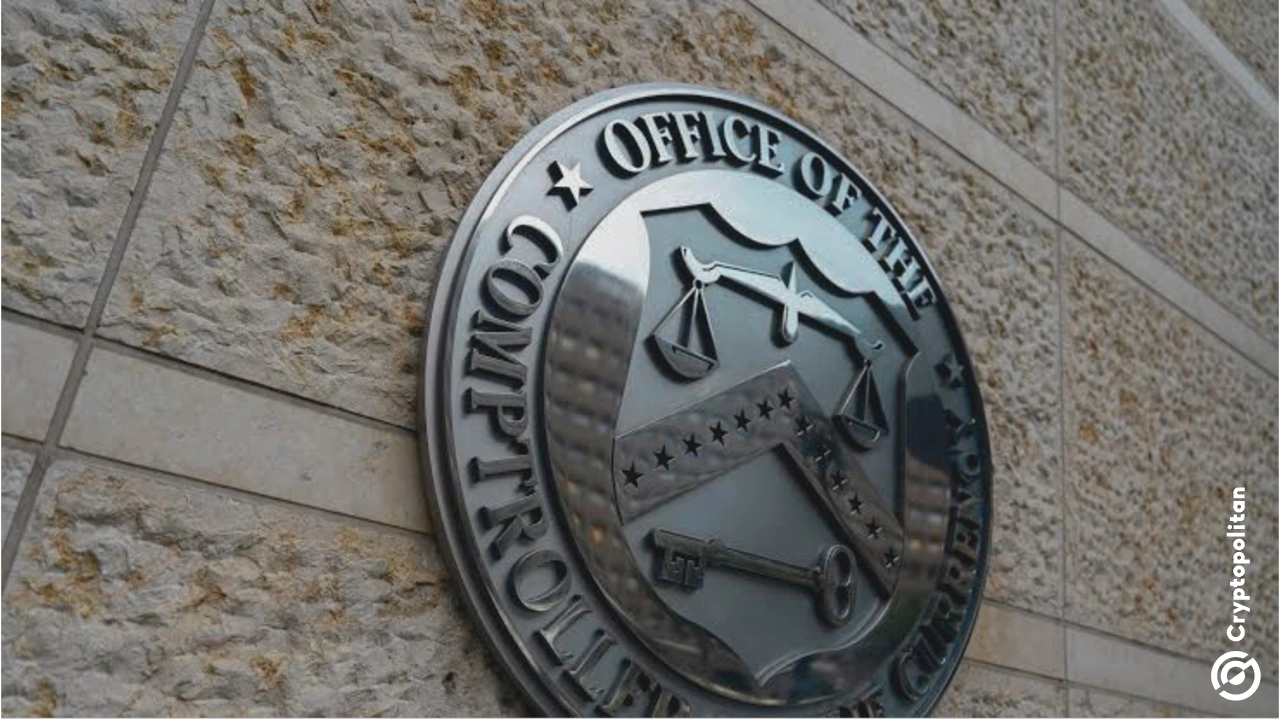
The recent announcement from the United States Office of the Comptroller of the Currency (OCC) regarding banks’ ability to engage as intermediaries in the cryptocurrency market is a significant milestone for both traditional finance (TradFi) and the burgeoning digital asset ecosystem. As outlined in a letter issued on December 9, banks are now permitted to conduct riskless principal transactions involving crypto assets. This development marks a pivotal shift, allowing banks that previously conducted pilot programs to scale their operations in the cryptocurrency space.
Why It Matters
The implications of this decision are multifaceted. Firstly, it provides a regulatory framework that legitimizes banks’ involvement in the crypto market, potentially enhancing consumer confidence in digital assets. By allowing banks to facilitate transactions without exposure to market risk, the OCC is effectively creating a bridge between traditional finance and the digital asset ecosystem. This could lead to increased liquidity and broader market participation, as more investors may feel comfortable entering the crypto space through familiar banking channels.
Potential Market Impact
This move by the OCC could catalyze a series of changes within the crypto landscape. As banks ramp up their operations, we may witness a surge in institutional investment in cryptocurrencies. The traditional banking sector has historically been a significant source of capital; thus, their entry into the crypto market could lead to a substantial influx of funds, further legitimizing the asset class. Furthermore, this could pave the way for more comprehensive regulatory frameworks as banks navigate compliance and risk management in this new domain.
Additionally, as banks begin to offer crypto-related services, including custody solutions and trading platforms, we can expect an increase in innovation within the sector. This could result in new products tailored to retail and institutional clients, thereby expanding the market’s overall accessibility. Moreover, the partnership between established financial institutions and crypto-native firms could foster a collaborative environment that drives technological advancements and enhances security protocols in the digital asset space.
Looking Ahead
As the OCC’s decision takes root, the crypto community should remain vigilant. While the prospects of enhanced institutional participation and liquidity are exciting, they come with their own set of challenges. Banks will need to develop robust frameworks to manage the unique risks associated with cryptocurrencies, including volatility and regulatory compliance. Furthermore, as TradFi and crypto converge, the potential for regulatory scrutiny will likely increase, necessitating a proactive approach from all stakeholders involved.
In conclusion, the OCC’s endorsement of banks as crypto intermediaries represents a significant step toward the integration of digital assets within the mainstream financial system. This development not only reinforces the legitimacy of cryptocurrencies but also sets the stage for a more collaborative and innovative financial ecosystem.
Read Also Epochs