🔥 Key Takeaways
The Vision Behind Saylor’s Bitcoin Strategy
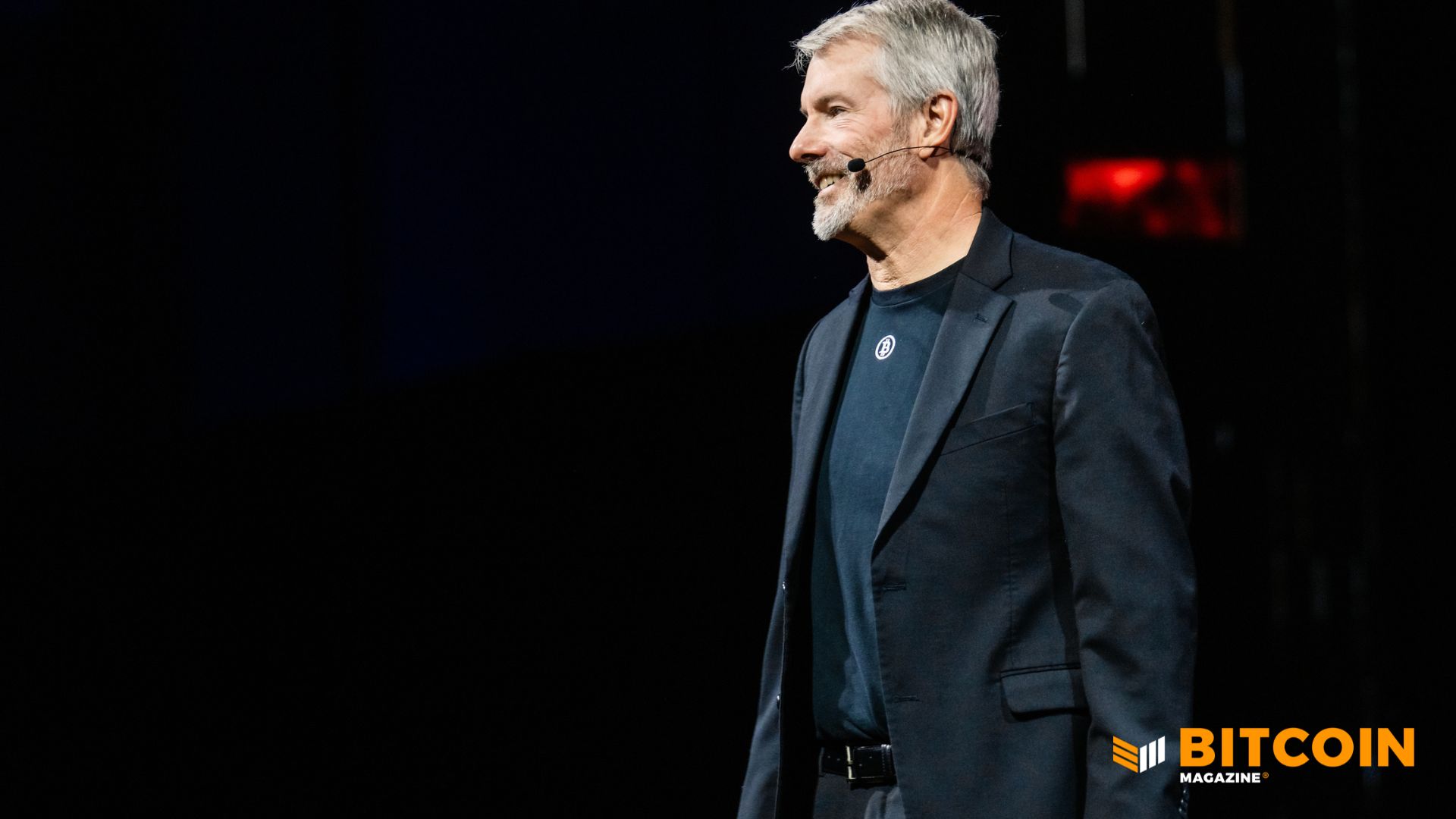
At the recent Bitcoin MENA Conference, Michael Saylor, co-founder and executive chairman of MicroStrategy, reiterated his company’s commitment to Bitcoin, declaring, “We are going to buy all of it.” This bold statement underscores Saylor’s belief that Bitcoin is not just a speculative asset but the foundation of a transformative new era in digital capital and credit.
Understanding the Context
Saylor’s remarks come at a time when the cryptocurrency market is navigating through increased regulatory scrutiny and fluctuating prices. However, his confidence in Bitcoin remains unwavering, framing it as a vital asset in the evolution of finance. This perspective positions Bitcoin as a digital reserve asset, akin to gold, which could serve as a hedge against inflation and currency devaluation.
Why It Matters
The implications of Saylor’s strategy are significant. As MicroStrategy continues to accumulate Bitcoin, it not only influences the market dynamics but also encourages other institutions to consider similar strategies. This trend reflects a growing recognition of Bitcoin as a legitimate store of value, challenging traditional financial paradigms. With institutional players entering the market, the overall perception of Bitcoin is shifting from a speculative instrument to an essential asset class.
The Future of Bitcoin in Finance
By positioning Bitcoin at the core of a new financial system, Saylor is advocating for a future where digital currencies play a crucial role in global finance. His vision aligns with the increasing adoption of blockchain technology and cryptocurrencies by various sectors. As more businesses and individuals recognize the potential of Bitcoin, its utility as a means of exchange and a store of value is likely to grow.
In conclusion, Saylor’s commitment to Bitcoin reflects a broader trend within the cryptocurrency space, suggesting that the future of finance may be more decentralized and digital than ever before. As we watch these developments unfold, it is clear that Bitcoin’s role in the global economy will continue to evolve, driven by both institutional interest and technological advancements.
Read Also Epochs